By Ashlynn Bouldin, Coordinator, Communications & Marketing

Estimated reading time: 2 minutes

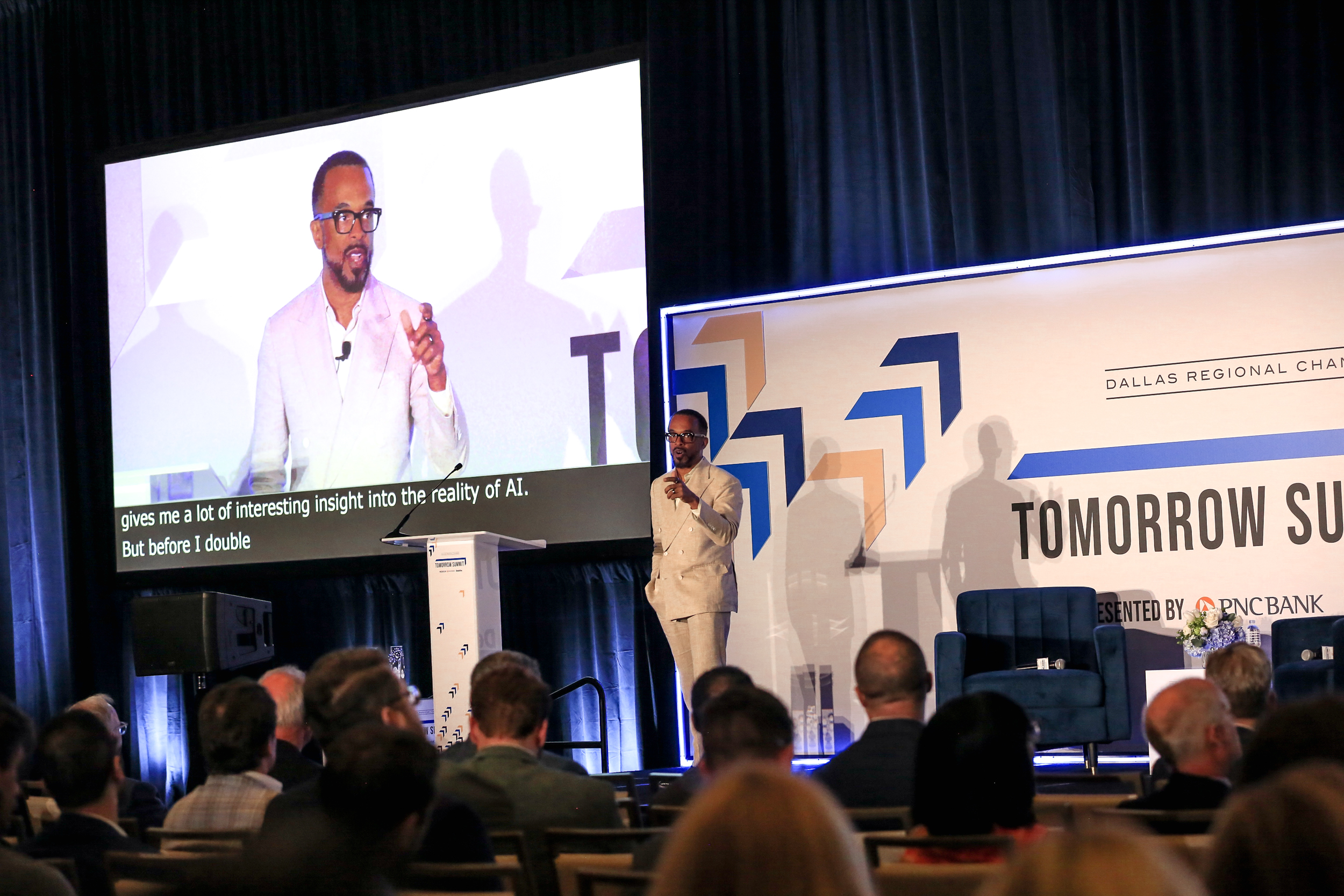
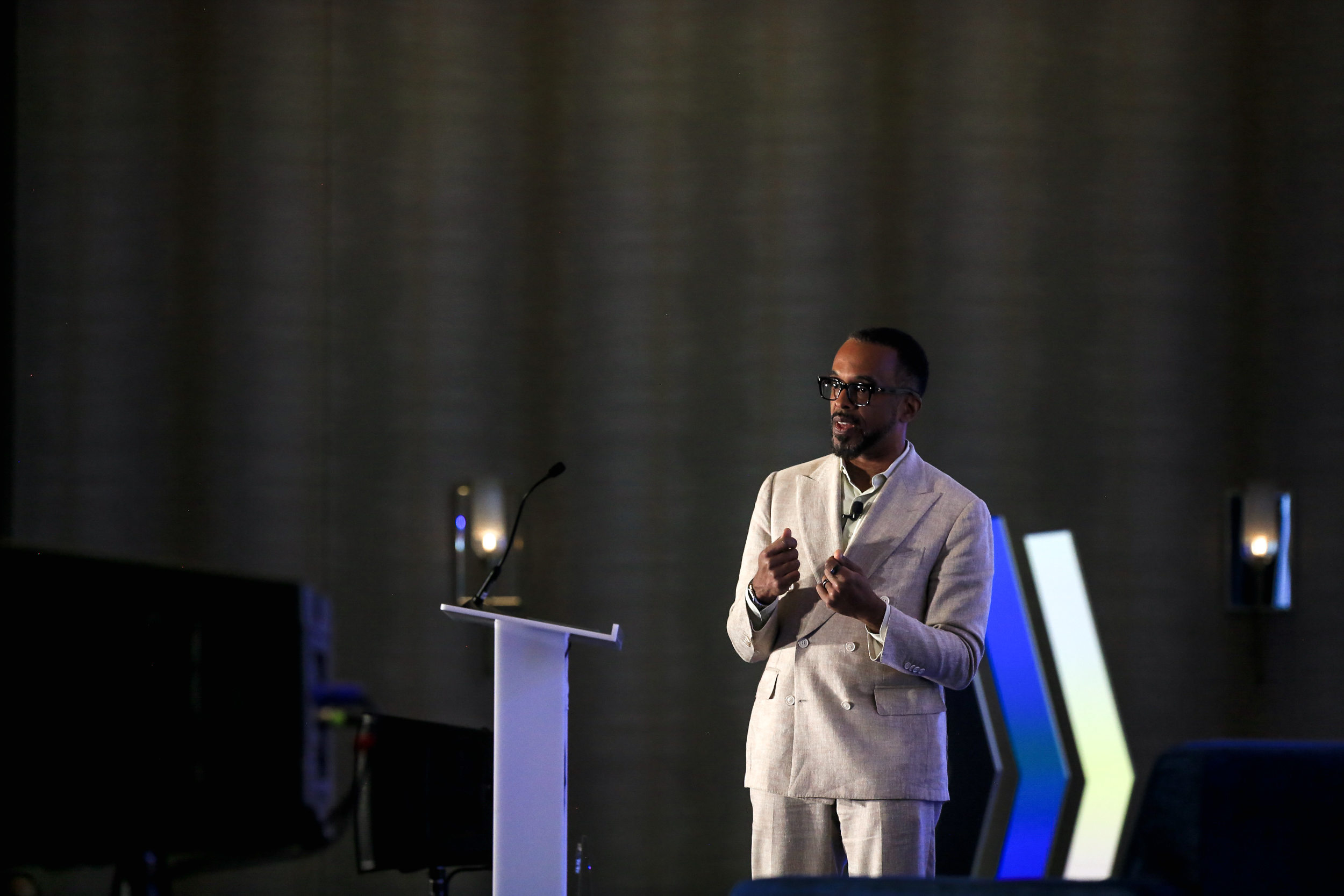
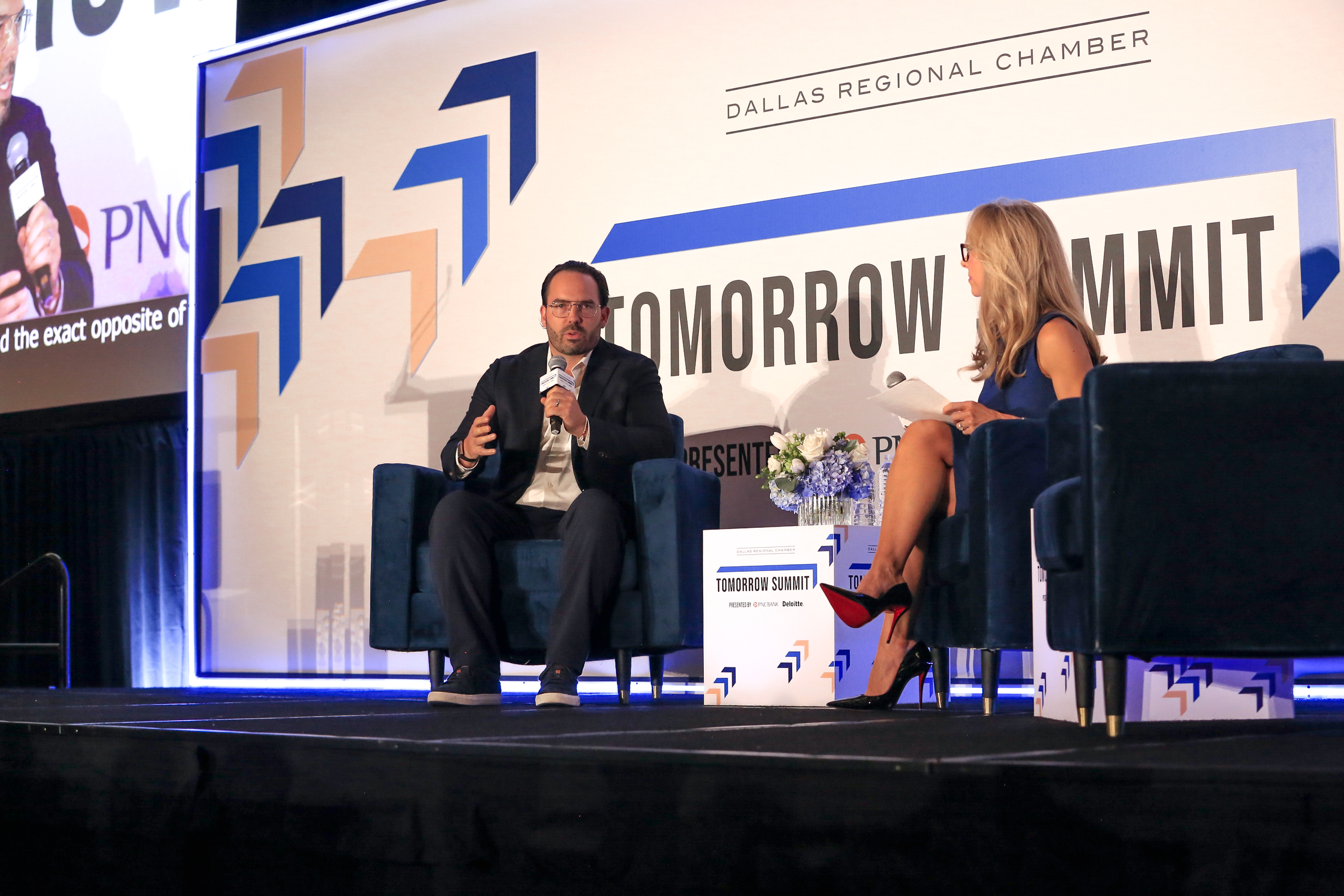
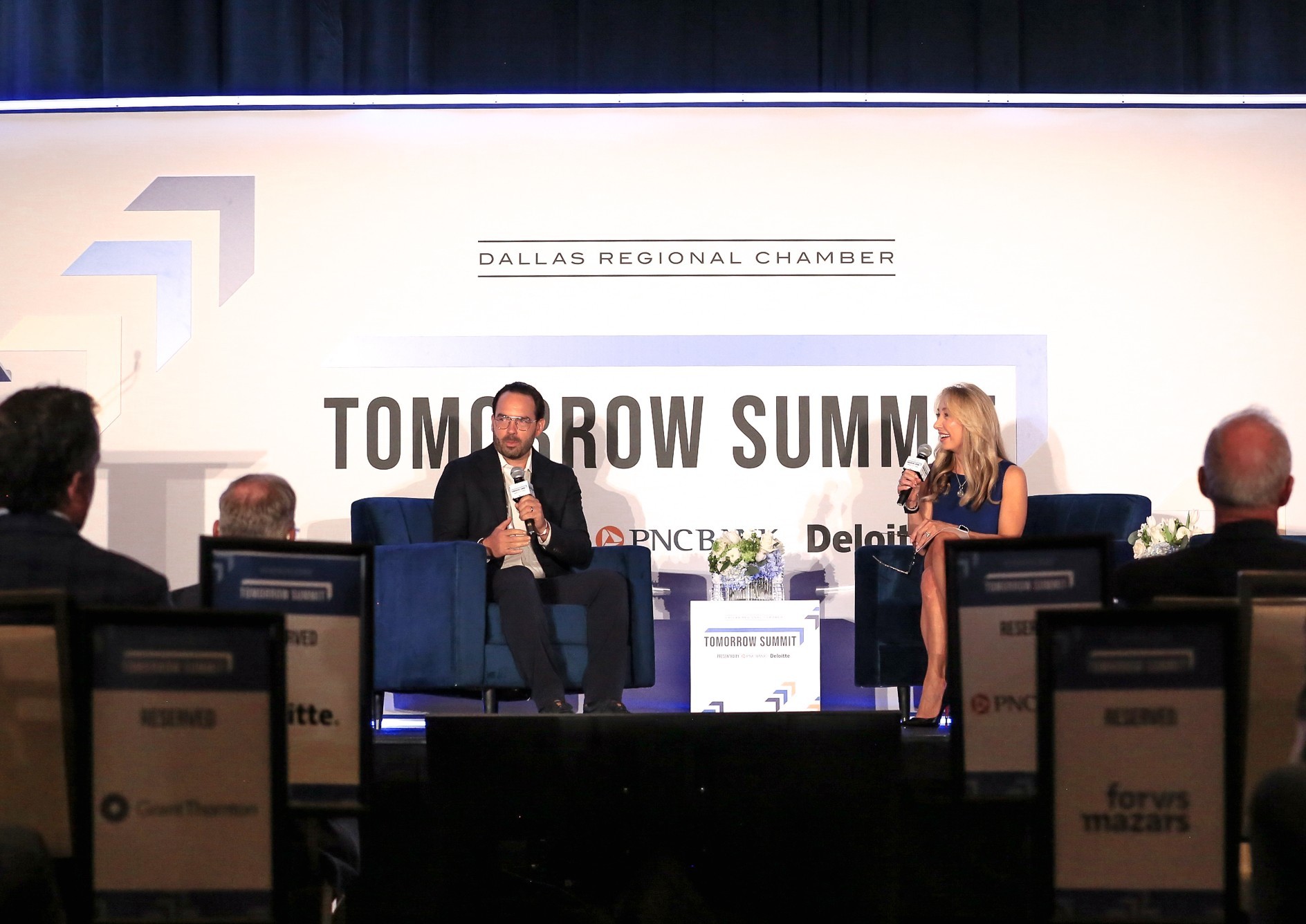
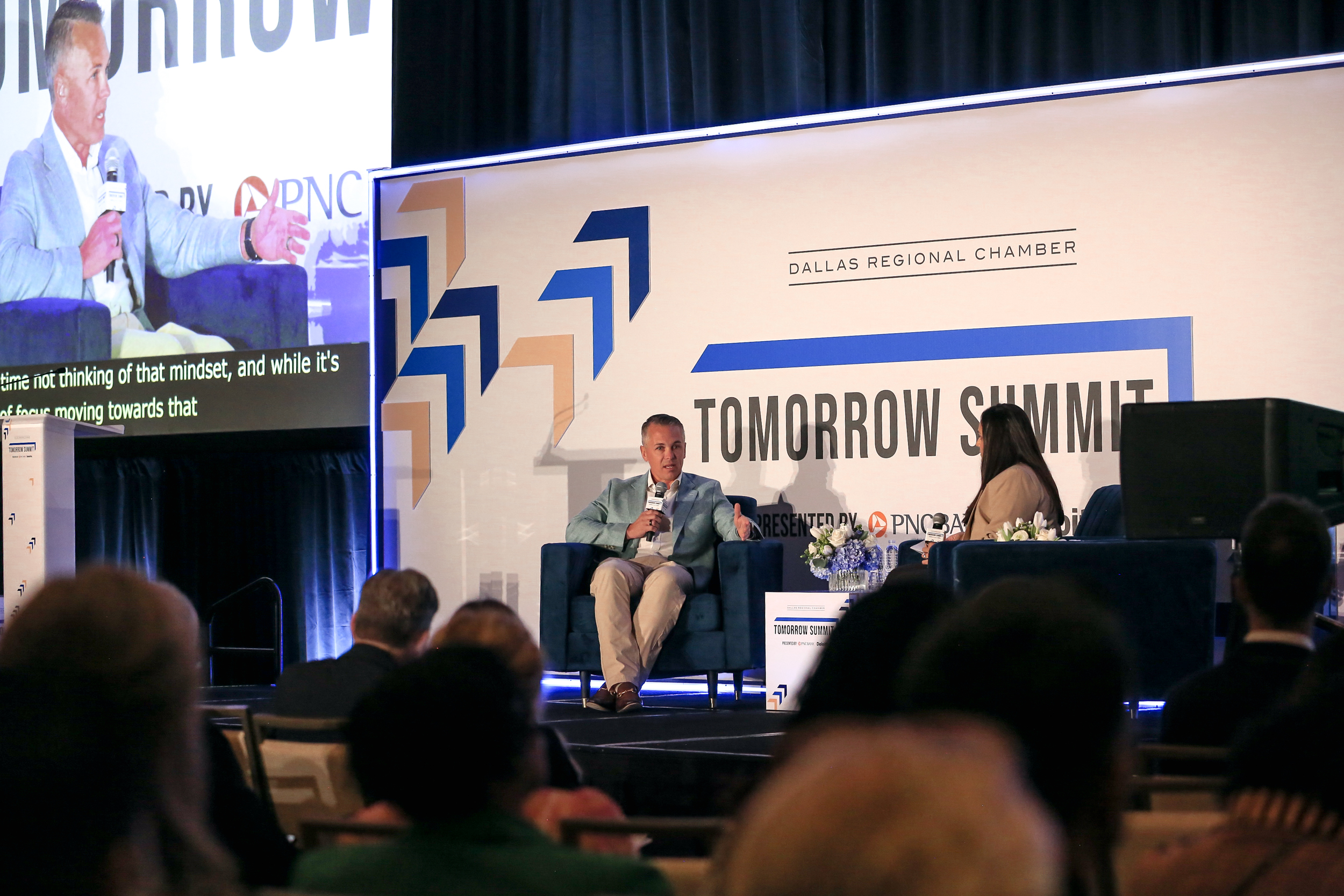
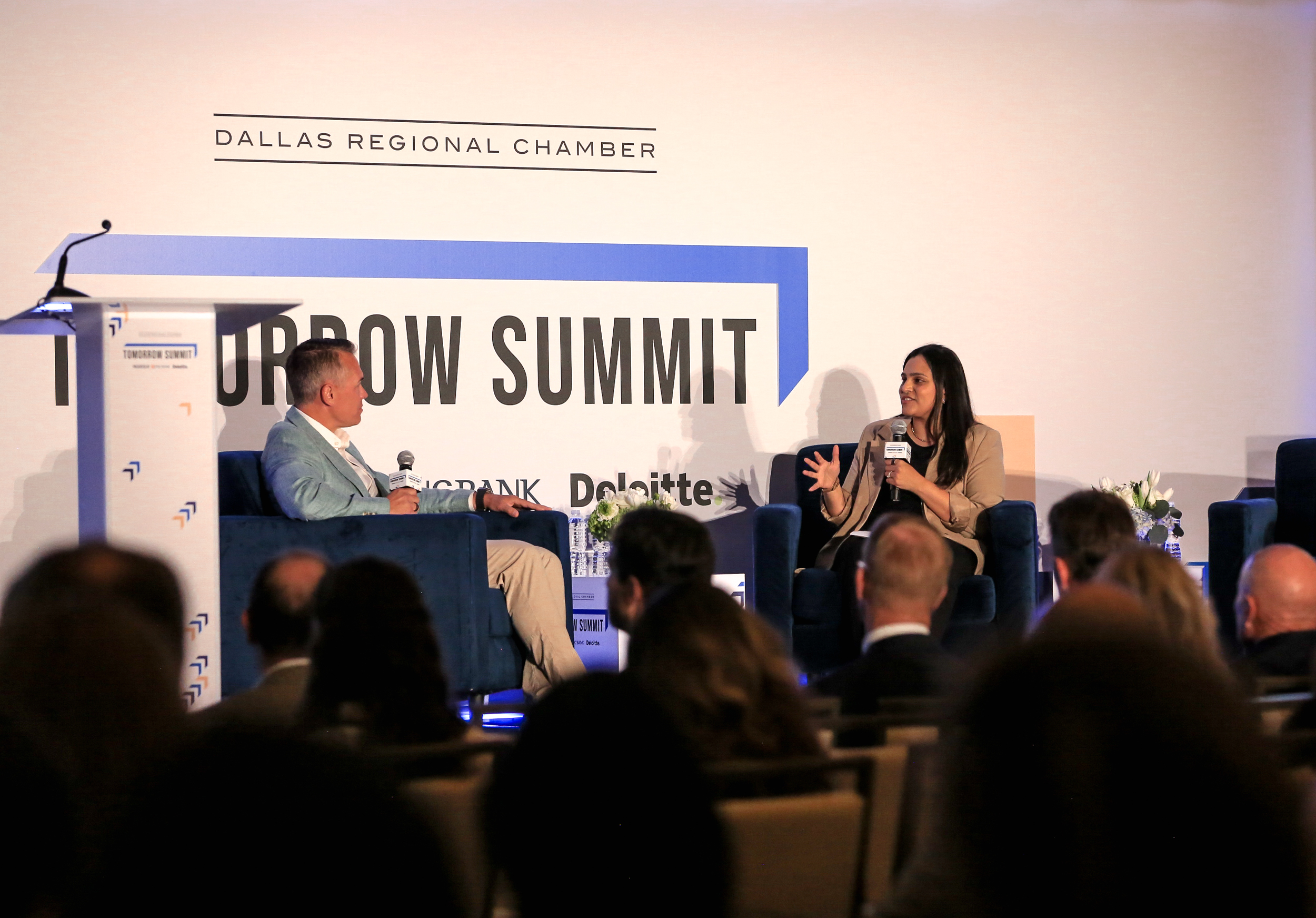
Over 240 business leaders and community change-makers gathered on Wednesday, June 3, for the DRC’s Opportunity Summit, presented by EY. This year, the summit focused on the connections between community health and economic mobility, with exclusive insights and announcements from some of the Dallas Region’s most innovative health care leaders. The summit also engaged attendees with key drivers of regional prosperity through five breakout sessions covering environmental health, talent readiness, financial access, neurodiversity in the workforce and economic opportunity.

Below are key takeaways from the event.

Every facet of community well-being affects economic opportunity

Speakers agreed that health is inextricably linked to economic opportunity and that long-term regional prosperity requires a strong foundation in community well-being.

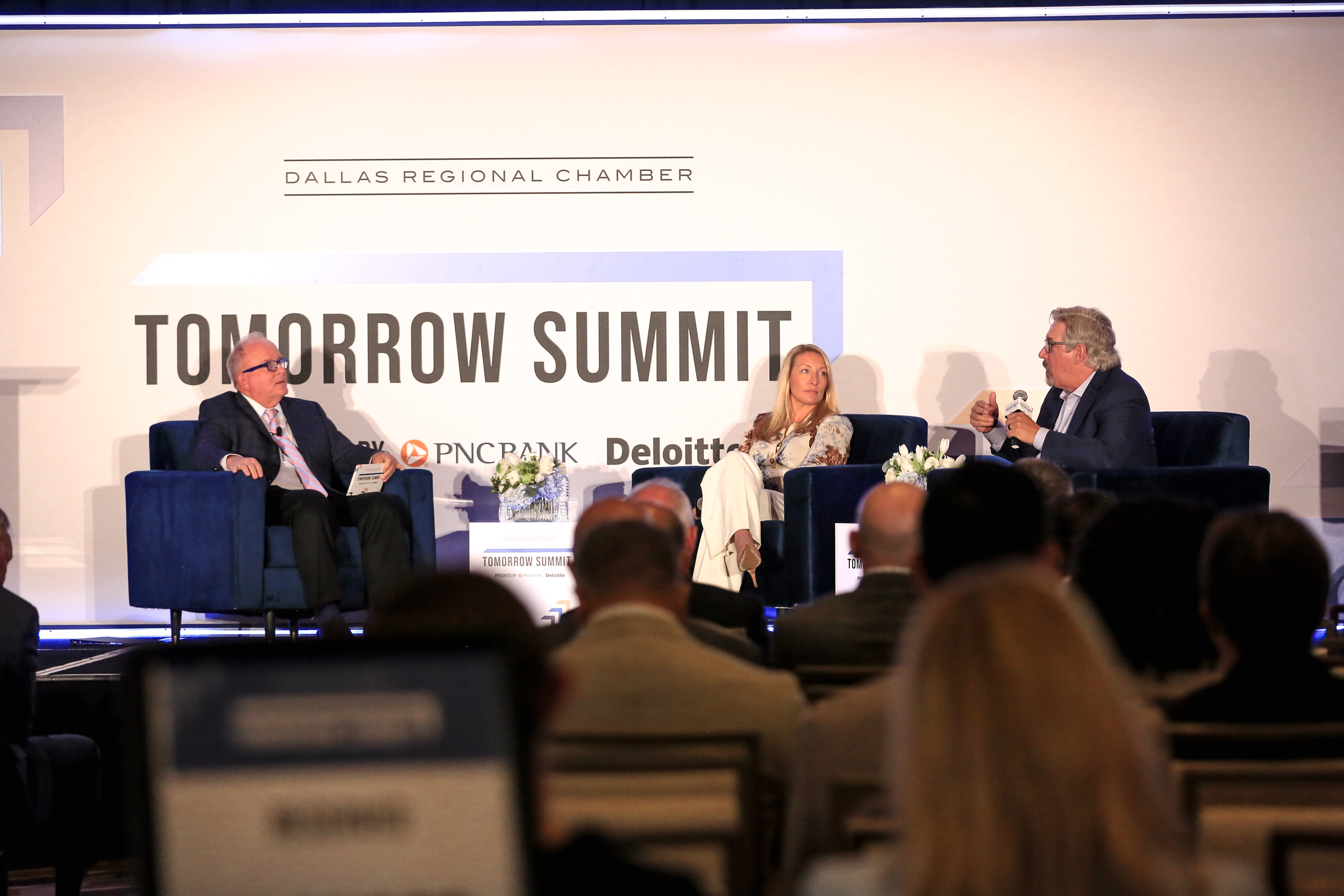
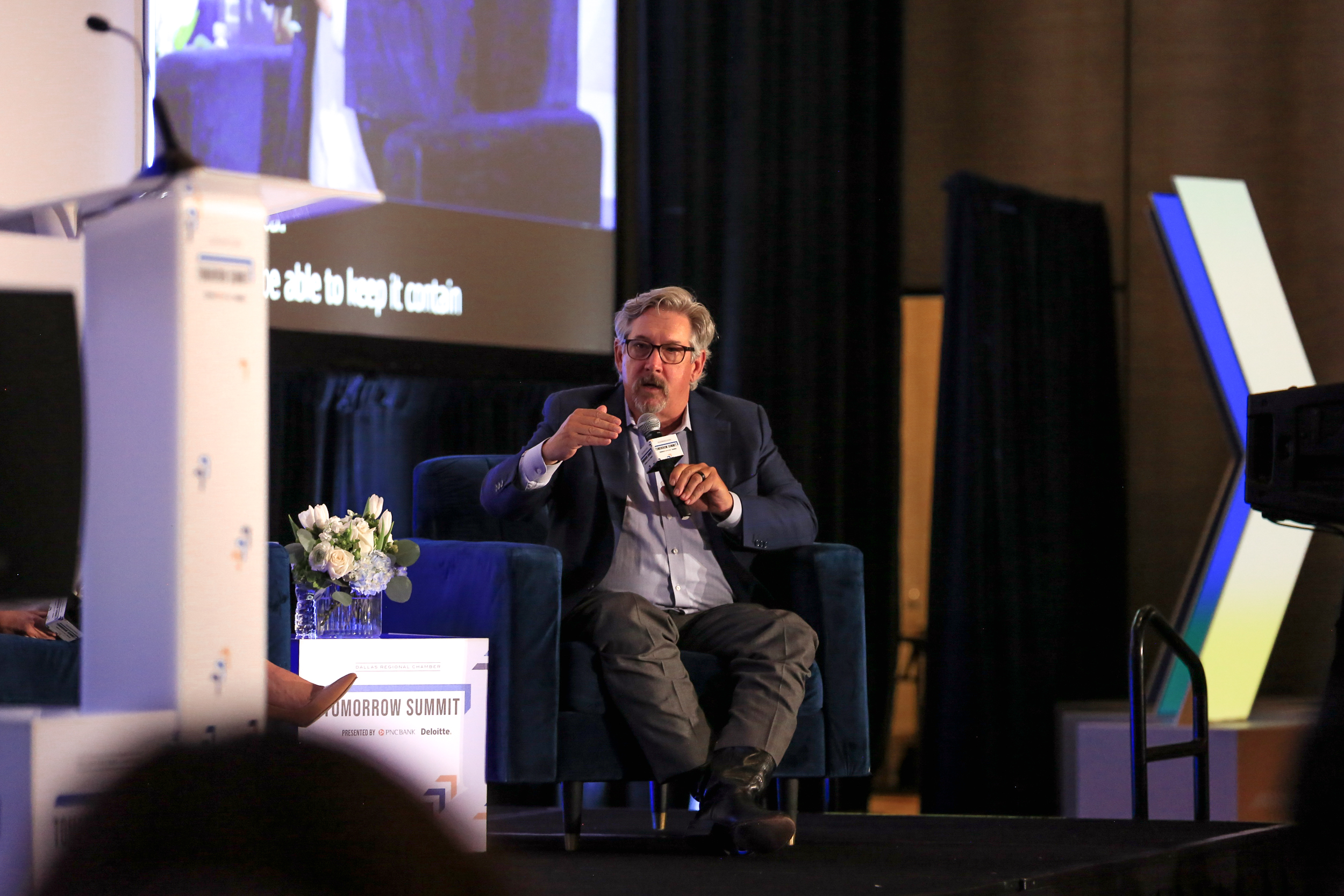
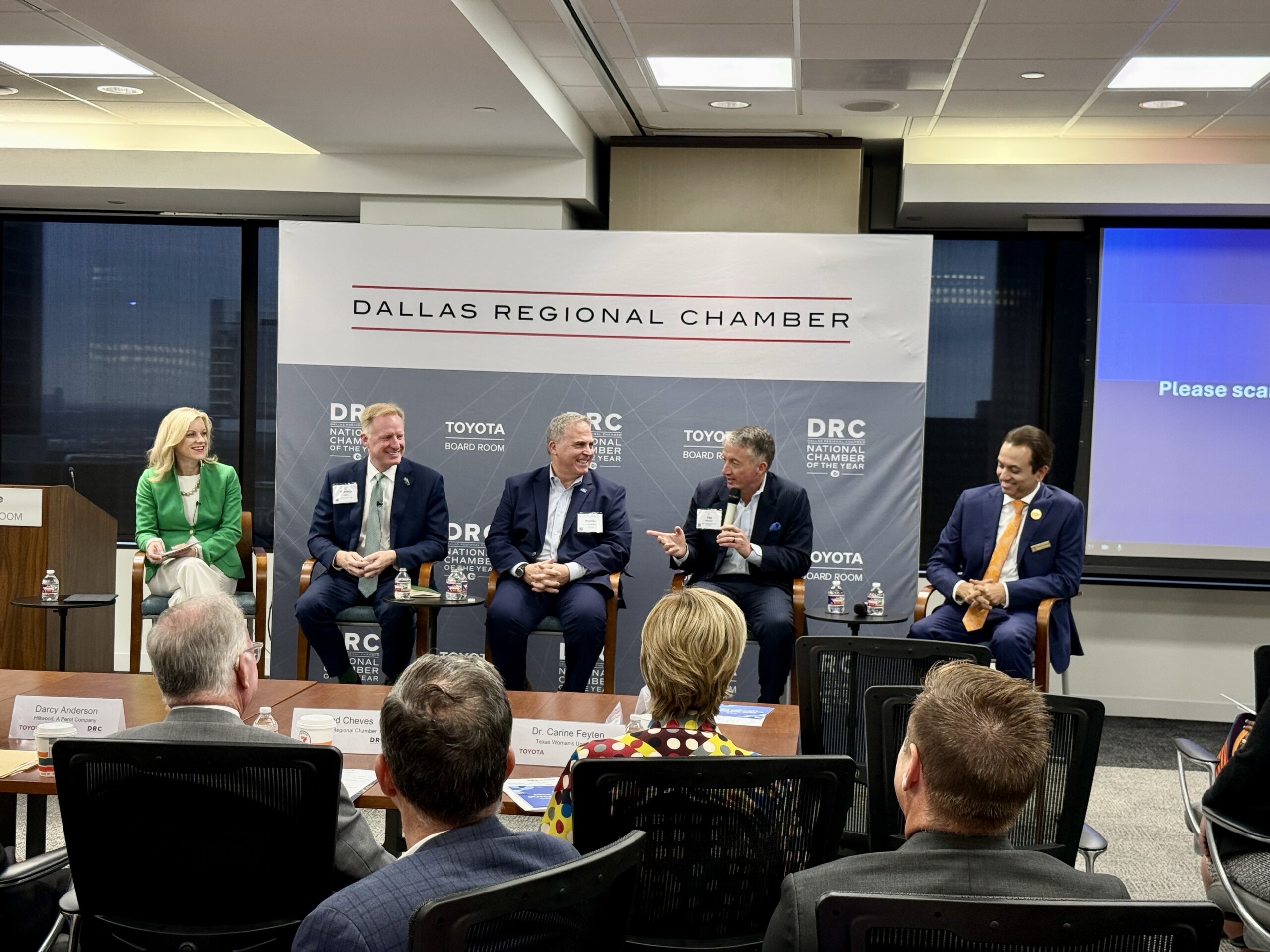
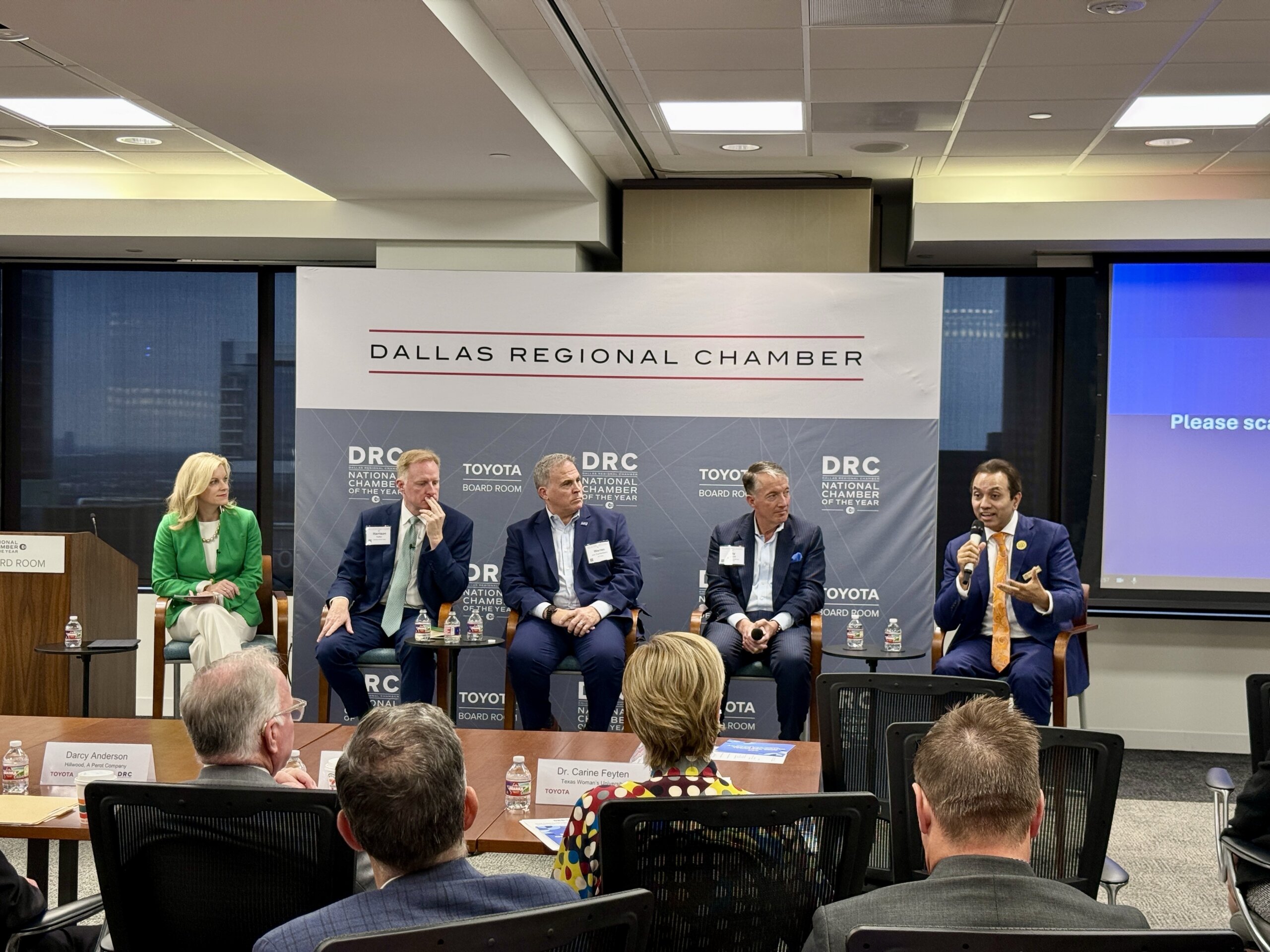
Dr. Michael Horne, President & CEO, Parkland Health Foundation; James Scoggin, CEO, Methodist Health System; Niki Shah, SVP, Health Impact & Innovation, McKesson; Cristal Retana Lule, VP, Community Relations, Children’s Health

“When people are healthy, they’re able to participate in the workforce, support their families, pursue education and contribute to their communities. When communities are healthy, businesses benefit from a stronger workforce, greater productivity and a higher quality of life that helps attract and retain talent,” said DRC President & CEO Brad Cheves.

This summit spotlighted the social determinants of health (SDOH) to engage leaders with the factors affecting community health outside clinic walls. DRC Senior Vice President of Opportunity & Impact, Tosha Herron Bruff encouraged leaders to embrace a holistic approach to health that accounts for the SDOH.

“Health isn’t just built in a clinic—it’s built in neighborhoods. And when those fundamentals are missing, everything downstream suffers—school performance, workforce participation, earning potential and more.”

Building a healthier region starts with community understanding

Speakers emphasized that effective solutions to health challenges require an understanding of community needs. Parkland Health Foundation President & CEO Dr. Michael Horne encouraged leaders to engage with resources like the 2025 Community Health Needs Assessment, facilitated by Parkland Health and Dallas Health and Human Services, to start building that understanding.

“Really ground yourself and educate yourself on what the issues and opportunities are. … That information can really drive how we’re allocating our financial and human capital.”

Methodist Health System CEO James Scoggin praised partnerships with not-for-profits as effective ways to understand community needs and build long-term impact.

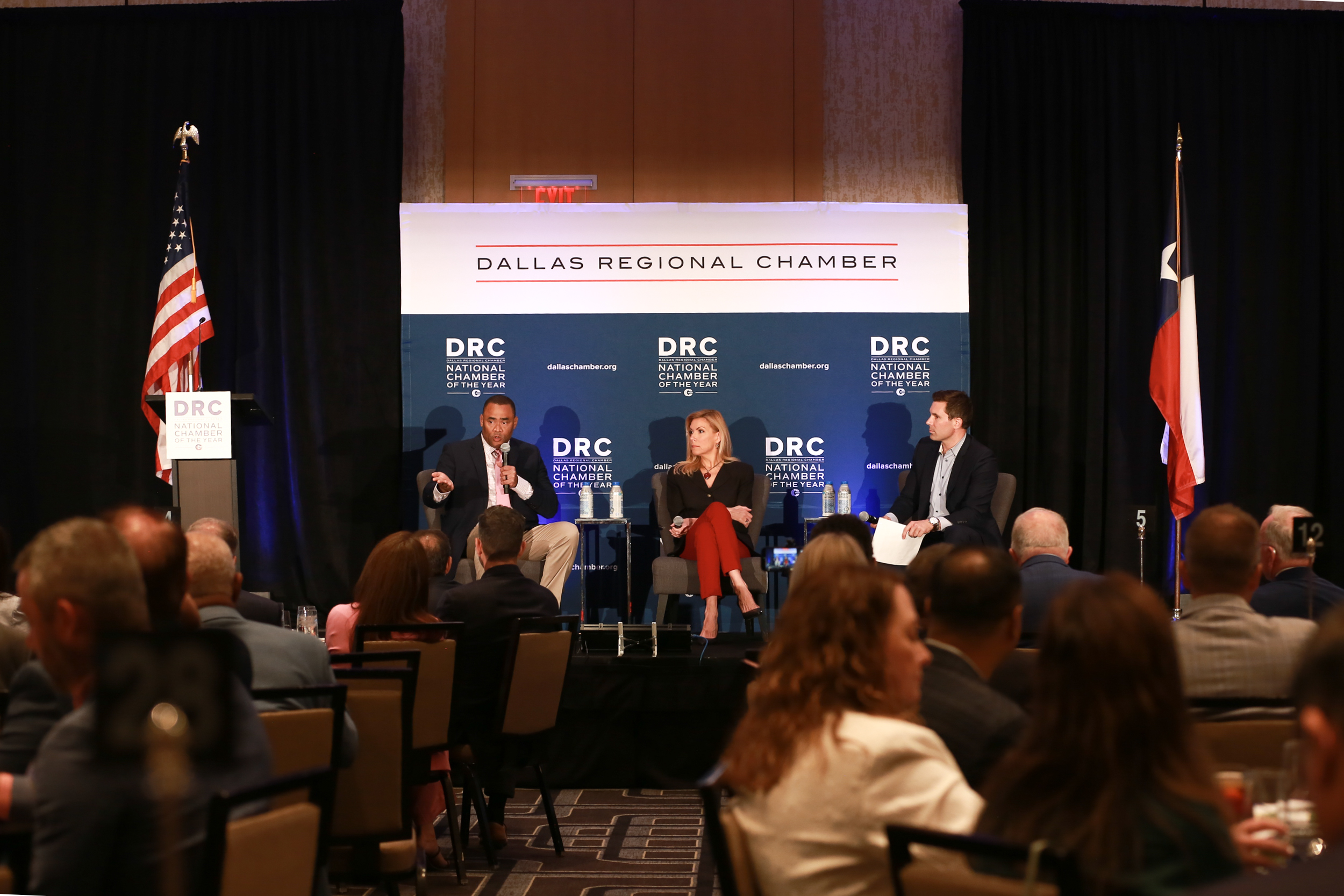
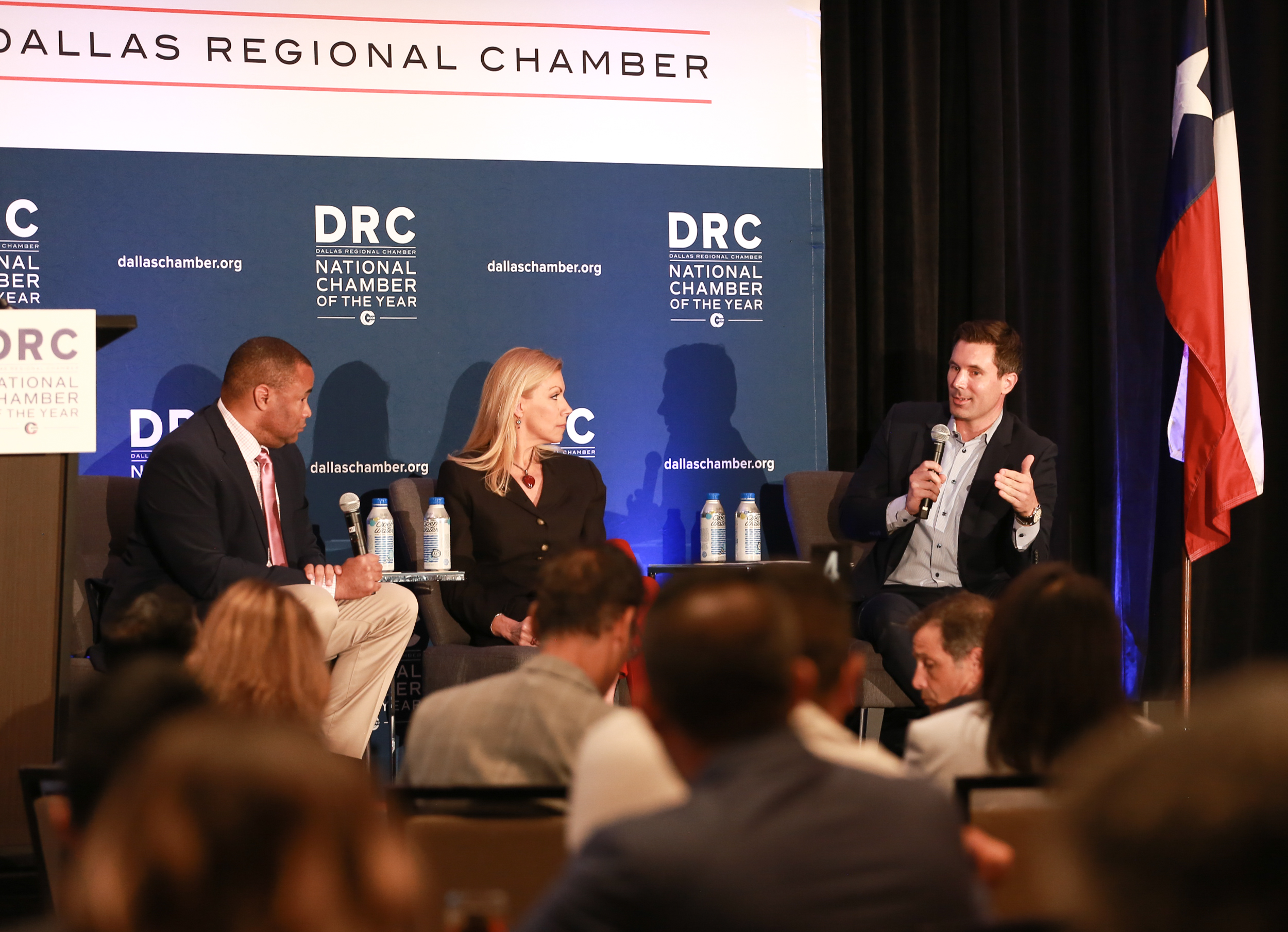
Dr. Vivian Johnson, Founder & CEO, VBJ Enterprises; Dr. Shawna Nesbit, VP and Chief Institutional Opportunity Officer, UT Southwestern Medical Center

“If anybody’s looking to get started, go to those not-for-profits. Feel their heart, their excellence, passion and mission. Then figure out who it is you want to or can work with. … The most important thing [these partnerships] serve for us is community connection and trust.”

Businesses have a wealth of options for health and wellness opportunities

Speakers encouraged businesses to pursue health initiatives that best fit their needs and capacity—from regional partnerships to employee benefits—because a healthier workforce creates greater opportunity for individuals and companies alike.

VBJ Enterprises Founder & CEO Dr. Vivian Johnson highlighted programs and offerings businesses can start implementing at little to no cost using resources like Telehealth.

“Offer education once a week or once a month about disease states for your employees. Partner with organizations like Parkland, Medical City and Methodist to have community health workers come on site and do screening for diabetes and high blood pressure.”

McKesson Senior Vice President of Health Impact & Innovation Niki Shah noted investments in local organizations and partnerships as excellent methods of leveraging resources to solve health challenges both within and outside the workplace.

“We employed community health workers in our distribution centers to support our own employees’ social needs. … We partnered with the QH Council of Greater Dallas, Phoenix Transportation and Meals on Wheels to develop a program to specifically address the social drivers of health in the cancer community.”

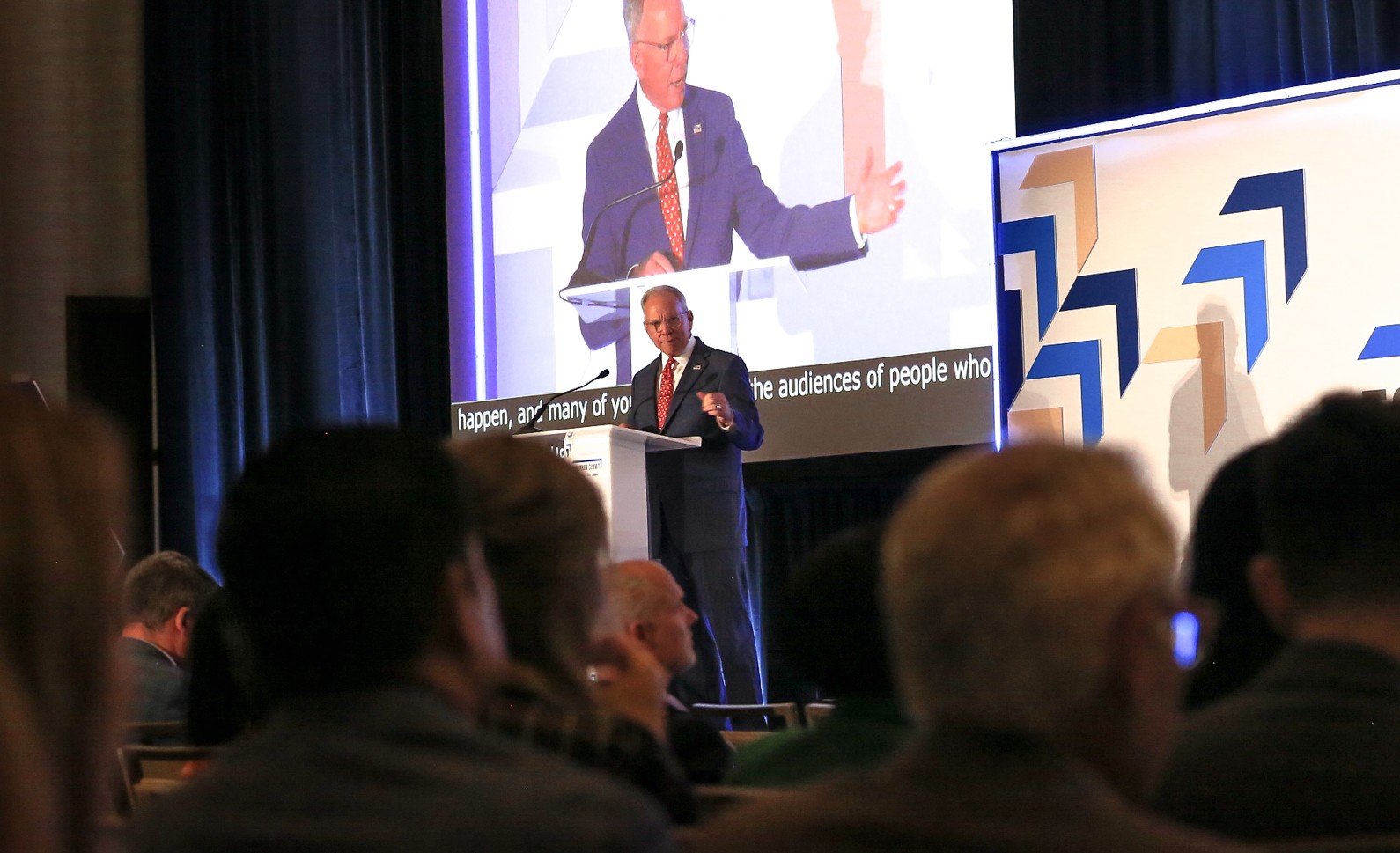
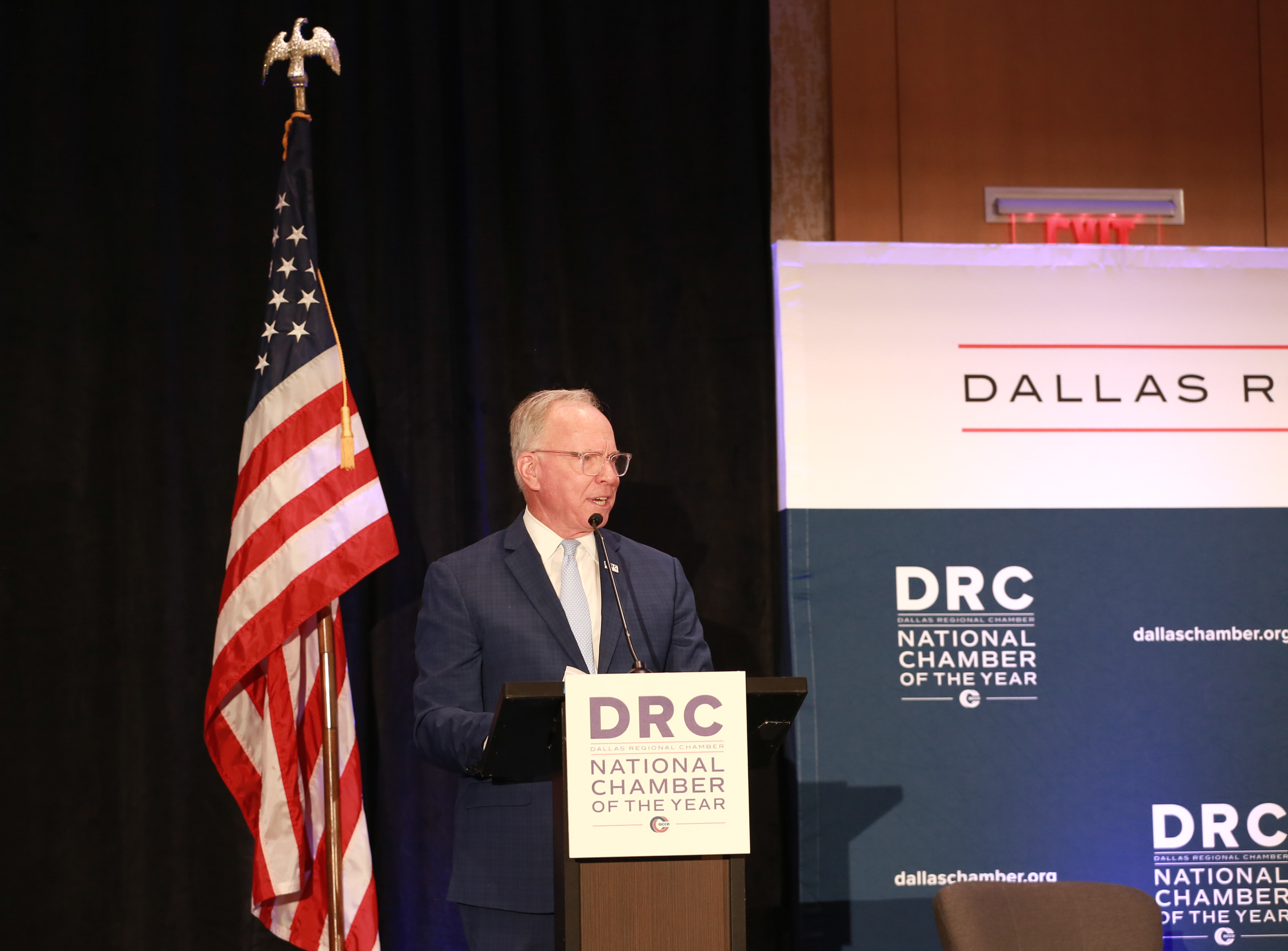
Dr. Chris Boone, Group VP of Research Services, Oracle Health & Life Sciences

Closing regional health care gaps starts with just 12 miles

During his keynote, Group Vice President of Research Services at Oracle Health & Life Sciences Dr. Chris Boone guided attendees along the 12-mile drive between Dallas’ Oak Cliff and Highland Park. Along the drive, Dr. Boone outlined the major differences in health outcomes between the two communities, epitomized by their life expectancies.

“[Oak Cliff] has a life expectancy of about 68 years of age. [Highland Park] has 85 years of age. This drive has cost us 17 years of human life—more than a year of human life for every mile of asphalt.”

In response to this health gap, Dr. Boone announced a partnership with the DRC at the event: Twelve-Mile, a regional compact dedicated to closing the 17-year life-expectancy gap between ZIP codes 75233 (Oak Cliff) and 75205 (University Park). Through workforce practices, benefits design, neighborhood investment and hiring and advancement pathways, Twelve-Mile organizes employer influence into measurable change.

To explore health and wellness opportunities for your business and learn more about the DRC’s quality of life work, visit our webpage or contact the Opportunity & Impact team.

By: Michael Wood, Vice President, Education & Workforce 

Estimated reading time: 2.5 minutes 

Students from the 111 school districts in the Dallas Region progressed in nearly all tested subjects during the 2025-26 school year, according to the latest results of the State of Texas Assessments of Academic Readiness, or STAAR.  

STAAR is the annual measure of academic achievement for students in grades 3 through 12. The tool is the primary way parents, employers and other stakeholders evaluate student performance and rate schools. 

High school gains lead statewide improvement in student achievement 

Across Texas, students either held steady or demonstrated improvement in every tested grade and subject except for grade 3 reading and grade 7 math, which declined one and two percentage-points, respectively.  

High school students posted the most significant gains. Algebra 1 and Biology saw the greatest improvements: 54% of Texas students met grade level standards in Algebra 1, up from 47% a year ago, and 71% did so in Biology, up from 62% in 2025. Students also made modest progress in English I, English II and US History.   

In the earlier grades, progress was less pronounced. Across grades 3-8, aggregate reading and math proficiency each improved by one percentage-point compared to 2025.  

Students in the Dallas Region continue to run ahead of state averages 

Across all subjects, students from the 111 school districts in the Dallas Region outperformed state averages by between one and three percentage-points.  

In grades 3-8, 56% of Dallas Region students demonstrated proficiency in reading—level with 2025 results. In math, 45% of Dallas Region grades 3-8 students met standards, up one percentage-point from last year.  

Consistent with the state, Dallas Region high school students made significant strides in Algebra 1 (up six percentage-points) and Biology (up eight percentage-points), plus modest improvements in English I, English II and US History.  

Despite progress, math outcomes still lag pre-pandemic levels 

Students in every grade level but one—grade 4—still trail pre-pandemic math outcomes, but the gap is closing.

Mathematics achievement declined steeply immediately following COVID-19 school closures. Across the state, Algebra 1 proficiency, for example, dropped 21 percentage-points from 2019 to 2021, from 62% to 41%. Thanks to considerable progress this year, Texas students are now just eight percentage-points shy of pre-pandemic achievement. 

Early literacy inches backward, while middle schoolers improve reading proficiency 

Grade 3 reading was one of only two tested subjects to decline year-over-year, although by just one percentage-point. This loss, however, is offset by meaningful improvements in grade 7 and 8 reading results, which increased by two and three percentage-points statewide.  

“The gains in middle school reading are also notable,” said Texas Education Commissioner Mike Morath in a news release, “as it may be associated with the statewide ban on the use of cell phones in schools.” 

Following legislative action, changes forthcoming to Texas’ PK-12 assessments 

In 2025, the Texas Legislature approved a bill to overhaul Texas’ public school assessment system. Beginning in the 2027-28 school year, the state will transition to a new test, called the Student Success Tool (SST). STAAR will still be administered in the upcoming 2026-2027 school year.  

The SST will make notable changes to how, and when, Texas assesses student competence. Rather than a single, end-of-year exam, students in grades 3-8 will take abbreviated tests at the beginning, middle and end of the school year. This new cadence is designed to give teachers and families more feedback throughout the academic year and inform instruction accordingly. 
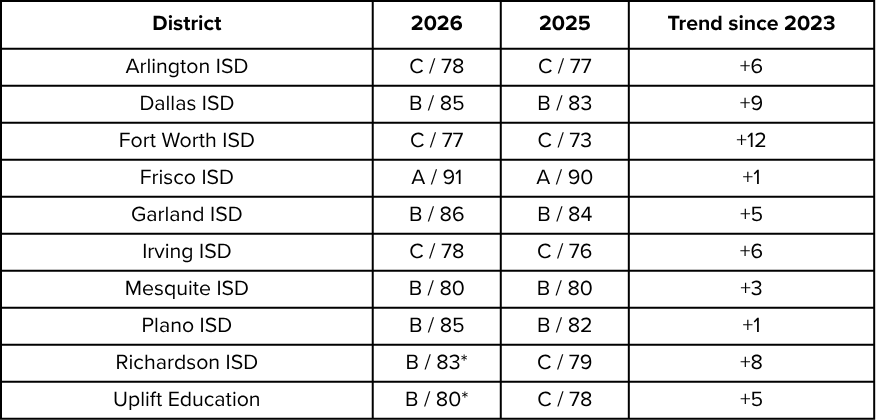
To explore how students in your neighborhood school or school district did on the 2026 STAAR, visit the Texas Education Agency’s Texas Assessment Research Portal here.

By Michael Wood, Vice President, Education & Workforce

Estimated reading time: 1 minute

Beginning with the 2026-27 school year, Dallas ISD will offer universal, tuition-free pre-K for three- and four-year-olds eligible to attend Dallas ISD schools, following unanimous approval by the Dallas ISD Board of Trustees.

Here’s what parents of young children need to know about the new initiative.

The initiative will expand access to Dallas ISD’s robust pre-K offerings at no cost to families

Dallas ISD has long offered full-day pre-K options throughout the district, including tuition-free pre-K for families meeting state eligibility criteria. Families that did not qualify under the state’s criteria could enroll in tuition-based pre-K, based on availability. During the 2025-26 academic year, tuition for full-day pre-K in Dallas ISD was $5,000.

Under the new plan, this cost will be waived for all families, including those that do not meet the state’s pre-K eligibility guidelines.

Two other school districts in North Texas—Arlington and Fort Worth ISDs—offer universal, tuition-free pre-K for four-year-olds. Dallas ISD is the first district locally to expand universal free pre-K access to three-year-old students, and their leadership in expanding access to quality pre-k will have positive impacts on academic achievement for students and workforce participation rates for parents of young children.

Pre-K attendance improves academic outcomes

The benefits of pre-K participation for students are far-reaching. In the short term, pre-K dramatically improves school readiness. In Dallas ISD, 52% of pre-K students were considered kindergarten-ready at the start of the 2025-26 school year, compared to just 24% for students that did not attend pre-K. Across Dallas County, pre-K students are 92% more likely to demonstrate kindergarten-readiness than their peers.

In the long-term, analysis by The Commit Partnership suggests pre-K attendance has a positive impact on school absenteeism, high school graduation rates and even lifetime earnings potential.

How to enroll your child in Dallas ISD pre-K

Open enrollment for Dallas ISD’s pre-K programs for the 2026-27 school year began on April 1 and will continue until all seats are filled.

To enroll in Dallas ISD pre-K, a student must be three- or four-years-old by September 1, 2026, depending on the program, and eligible to attend a Dallas ISD school.

For additional information on the registration process, please visit Dallas ISD’s pre-K registration webpage. Parents may also contact Dallas ISD directly at their Pre-K Enrollment Hotline, (214) 932-7735.

If you reside outside of Dallas ISD and are interested in pre-K options near you, please visit Pre-K DFW.

By: American National Bank of Texas 

Estimated reading time: 3 minutes

Founded in 1875, American National Bank of Texas (ANBTX) has proudly served North Texas for more than 150 years. As one of the largest and last independently owned banks in the state, ANBTX provides a full range of personal, business and commercial banking services, anchored in local decision-making, tailored solutions and lasting relationships. Its reputation is built on stability, trust and a deep commitment to the communities it serves, values that have endured across generations and continue to guide the bank in its mission to be the community bank of choice throughout the region. 

How does ANBTX help its clients build value? 

At ANBTX, building value starts with building relationships. Every customer, whether an entrepreneur launching a business, a family buying a first home or a nonprofit expanding its reach, has direct access to local bankers who understand both the community and their goals. 

ANBTX’s team of more than 600 employees who live and work in the communities they serve, tailoring financial guidance and lending solutions designed to help businesses grow and families thrive. 

By keeping decisions local and reinvesting in the communities it calls home, ANBTX helps drive job creation, support business expansion and strengthen the North Texas economy.  

What differentiates ANBTX within your industry? 

As one of the last remaining independent banks in Texas, ANBTX embodies the self-reliant, forward-looking spirit that defines North Texas. This local autonomy truly sets the bank apart. Unlike larger institutions with out-of-state decision-makers, every decision at ANBTX is made right here in North Texas, delivering quicker answers, greater flexibility and a banking experience rooted in local values. 

ANBTX is not distracted by other markets or corporate pressures. It’s entirely focused on helping North Texans achieve their goals. That focus enables the bank to deliver on three core promises: local decision-making, custom solutions and real relationships. 

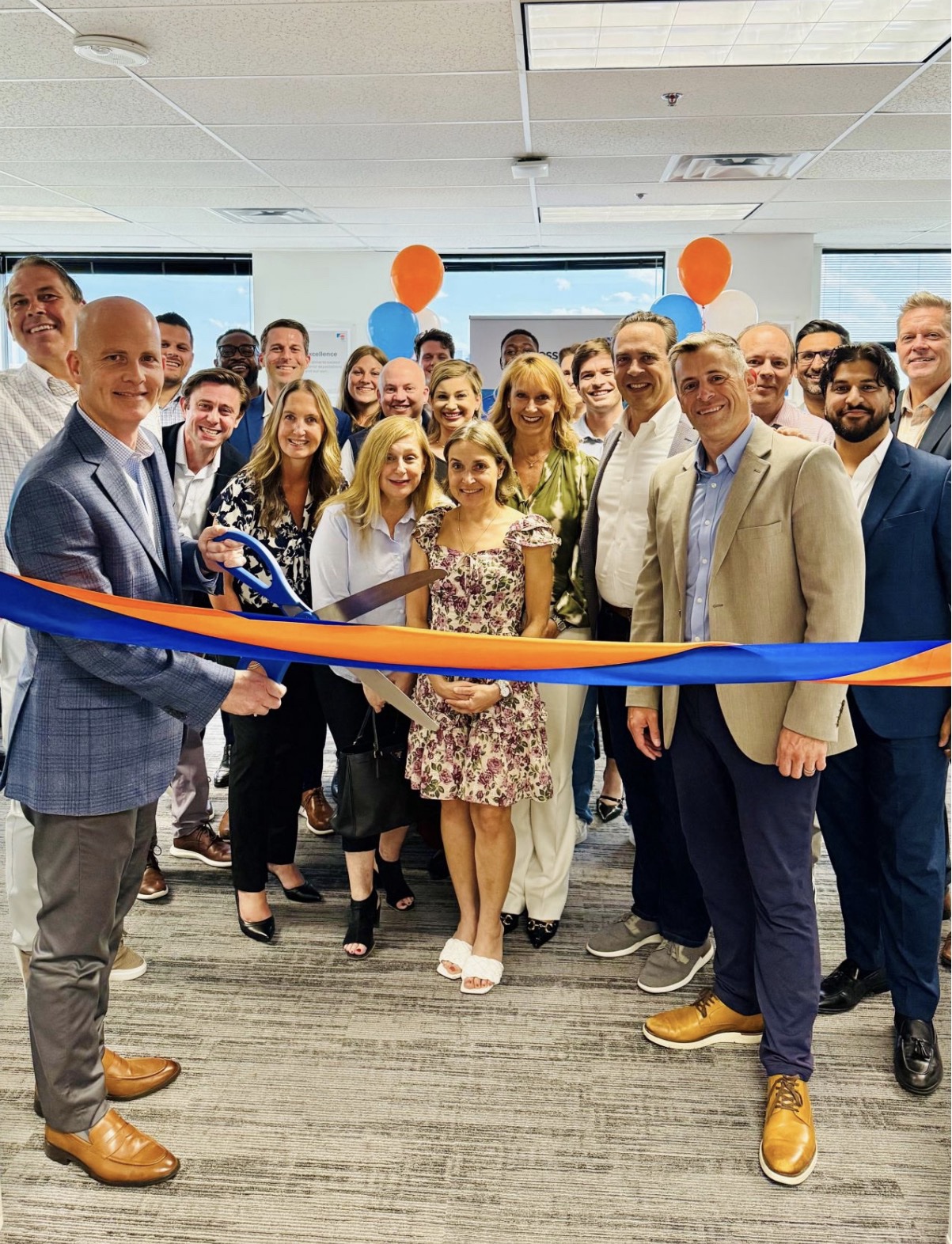
Front Row [L-R]: Elisa Luque, Director of Wealth Management Group; Steve White, Chief Strategy Officer and Commercial Banking Executive and Josh McKee, Dallas Regional Market President.
Back Row [L-R]: Brian Bertcher, North Dallas Market President; Marcelo Mills, Emerging Markets President; Clint Morgan, Director of Commercial Real Estate and Egzon Berisha, Dallas Banking Center President.
Photo credit to Matthew Shelley

What benefits does ANBTX enjoy by doing business in the Dallas Region? 

The Dallas Region is a hub of innovation, growth and community pride, exactly the kind of environment where ANBTX thrives. The region’s entrepreneurial energy aligns perfectly with ANBTX’s mission to empower what’s possible for businesses and families. 

The area’s collaborative spirit, diversity and opportunity-rich economy make it not only a great place to do business, but also a great place to belong. ANBTX is proud to help build a stronger, more resilient North Texas that benefits everyone. 

Why did ANBTX become a DRC member?  

As a proud North Texas institution, ANBTX stands shoulder to shoulder with organizations that strengthen the region’s business and civic community. ANBTX’s deeper involvement with the Dallas Regional Chamber began after a bus tour of Southern Dallas County, where it saw firsthand the challenges residents face: limited transportation options, too few living-wage jobs and reduced access to quality healthcare and education. 

That experience moved ANBTX to act. Since then, the bank has proudly sponsored the DRC’s Southern Dallas County Economic Development Guide and hosted a DRC Community Connections event at the newly renovated Park South Family YMCA in late 2025. Both efforts highlight the essential role community banks play in fueling economic growth, supporting small businesses and strengthening neighborhoods across North Texas. 

Through its partnership with the DRC, ANBTX connects with like-minded leaders, champions local development and helps build a more inclusive and prosperous future for everyone who calls the Dallas region home. 

How has ANBTX changed in the past five years? 

Over the past five years, ANBTX has grown its commercial banking team, invested in technology and strengthened community partnerships, all while staying true to its independent roots. 

In January 2026, the bank announced seven key additions to its commercial banking team in Dallas and Frisco, bringing more than a century of combined, relationship-driven experience. New hires include Josh McKee (Dallas Regional President), Brian Bertcher (North Dallas Market President), Jason Dudley (Frisco Market President), and experienced commercial bankers Jeff Fraser, Karla Jones, Phillip Koons and Grayson Smith. Together, they deepen ANBTX’s commitment to local leadership and expand its presence in key markets where recent consolidation by out-of-state institutions has created a need for strong, community-focused banking relationships. 

ANBTX recently opened a new banking center in Heath and a Wealth Management office in Richardson. In 2024, it launched a loan production office in Fair Park, expanding financial access in underserved communities and reinforcing its commitment to educating the next generation of North Texans about financing.  

With these initiatives, ANBTX is committed to North Texas, solidifying its mission to be the top community bank in the region.

By Eric Griffin, Vice President, Research & Innovation

Estimated reading time: 2.5 minutes

Silicon Valley, New York City and Boston have built successful brands as locations where startups can succeed. Even as emerging startup ecosystems have begun to mature in markets like Seattle, Miami, Austin and Dallas, the three big legacy hubs continue to capture about 60% of U.S. venture capital deal value and volume.

But new data from LinkedIn’s Economic Graph suggests a new generation of founders are changing the map. And Dallas is one of the clearest signals of where they’re heading.

According to LinkedIn data, Dallas saw the fastest growth of Gen Z entrepreneurs in the nation between 2020 and 2025, with founder growth increasing 192% during that period.

As I looked through LinkedIn’s findings, one takeaway stood out most: young entrepreneurs are increasingly concerned about being connected to lifestyle, flexibility and opportunity. This next generation of founders are choosing to be in places where they can build businesses without taking on the financial pressures associated with costly coastal hubs.

And that shift plays directly into the Dallas Region’s strengths.

Why Dallas makes sense for Gen Z entrepreneurs

Part of this movement is practical.

LinkedIn points to lower costs of living, favorable tax environments and expanding professional networks as major reasons younger entrepreneurs are gravitating toward Sun Belt metros.

The Dallas Region offers something increasingly valuable to young professionals: the ability to build both a career and a life.

Traditional startup markets often present founders with a difficult tradeoff between opportunity and affordability. In the Dallas Region, that equation looks different. Entrepreneurs can access a large and growing economy, major industries, world-class connectivity and a deep talent base while still maintaining a lower cost structure than many competitor markets on either coast.

And increasingly, technology is reducing the importance of physical location altogether.

LinkedIn notes that nearly half of new U.S. ventures created last year were online-only businesses. AI tools and digital platforms are also lowering barriers to entry for younger founders, allowing individuals to launch companies with fewer upfront resources, smaller teams and faster timelines.

That changes the competitive landscape for regions across the country.

Founders no longer need to be in one specific ZIP code to access customers, build brands or grow companies. They can choose communities that align with how they want to live. And more of them are choosing Dallas.

A region built for what’s next

This momentum didn’t happen overnight.

The Dallas Region has spent years building the kind of economic environment that supports innovation and growth. From corporate relocations and a strong small business climate to major investments in technology, infrastructure and talent development, the region has created an ecosystem where entrepreneurship can thrive.

What makes this moment especially notable is who is driving it.

Gen Z entrepreneurs are approaching work differently than previous generations. LinkedIn’s research shows they are more comfortable taking risks, more likely to build multiple income streams and more likely to use AI tools to launch and operate businesses. They are redefining what career growth looks like in real time.

And Dallas aligns well with that mindset.

Historically, the region has attracted ambitious and enterprising people seeking to build something from the ground up. This entrepreneurial spirit is foundational to how business gets done today. For this generation of founders, Dallas is a market large enough to support growth, but accessible enough for entrepreneurs to build meaningful networks and find opportunity quickly. That combination matters.

From a long-term regional competitiveness perspective, this trend is worth paying attention to because today’s young founders become tomorrow’s employers, investors and civic leaders.

Small businesses already employ roughly half of the U.S. workforce, according to LinkedIn data. The regions attracting entrepreneurial talent today are positioning themselves for long-term economic growth tomorrow.

The “Why Dallas” story

At the Dallas Regional Chamber, we often talk about the Dallas Region as a place where opportunity scales.

LinkedIn’s data reinforces that message.

The next generation of entrepreneurs is not simply following legacy startup ecosystems. They are choosing markets that offer flexibility, affordability, talent and quality of life alongside economic opportunity.

Increasingly, Dallas checks every one of those boxes.

And as younger professionals continue rethinking where and how they want to work, the Dallas Region is well-positioned to remain a destination not only for companies relocating here, but also for the people building the next generation of companies from the ground up.

To learn more about why professionals are choosing Dallas, visit Say Yes to Dallas.

By Dylan Guest, Vice President, Communications

Estimated reading time: 1 minute

The Dallas-Fort Worth (DFW) region continues to strengthen its position as one of the nation’s leading business hubs, according to the latest Fortune rankings of the biggest public companies in the U.S. 

This year, DFW added two companies to the Fortune 500, bringing the region’s total to 24. New additions include Somnigroup International and Keurig Dr Pepper. Across the broader Fortune 1000 list, the region is now home to 49 companies, with Public Storage, Vistance Networks and Invitation Homes among the newest additions. 

Behind the rankings is a diverse mix of companies that continue to choose DFW as a place to grow and invest. The region’s Fortune 1000 companies span 32 different industry sectors, and the Fortune 500 companies generate nearly $1.1 trillion in combined annual revenue and employ more than 1.3 million people worldwide. 

DFW is also home to one of the nation’s most influential corporate headquarters: McKesson, which ranks among the Fortune 10. Notably, no U.S. metro larger than DFW is home to a Fortune 10 company. 

The region’s continued momentum comes as Texas reclaimed its position as the state with the most Fortune 500 headquarters in the nation. By surpassing California, Texas continues to strengthen its reputation as a leading destination for corporate investment, talent and innovation.

For DFW, these rankings reinforce a long-term trend. Companies across industries continue to choose the region because of its strategic location, business climate, talent pipeline, ability to support growth and overall quality of life. As new companies establish headquarters and existing employers expand, DFW’s concentration of major corporations continues to fuel investment, job creation and economic opportunity throughout the region. 

With 24 Fortune 500 and 49 Fortune 1000 companies now calling the region home, DFW’s influence as a corporate powerhouse continues to scale.

By Makayla Rosales, Coordinator, Opportunity & Impact 

Juneteenth, observed annually on June 19, commemorates the day in 1865 when Union troops arrived in Galveston, Texas, and announced the abolition of slavery in the state. Although the Emancipation Proclamation, which declared enslaved persons free in Confederate states, took effect in 1863, freedom was not immediately realized for many enslaved people across the Confederacy. It was not until the ratification of the 13th Amendment in December 1865 that slavery was formally abolished in the United States.

More than a historical milestone, Juneteenth is a reminder of both the promise of freedom and the impact of delayed justice. It honors the resilience and contributions of Black Americans while encouraging reflection and the ongoing pursuit of equality and opportunity. After generations of community celebrations, Juneteenth became a federal holiday in 2021.

For organizations and leaders, Juneteenth is also an opportunity to recognize that honoring freedom and equality extends beyond a single day. It requires an ongoing commitment to fostering inclusive workplaces, expanding opportunity and ensuring all individuals have the ability to flourish.

Engage in the workplace

A great way to honor Juneteenth is by creating opportunities for employees to engage in ways that recognize the holiday’s significance while strengthening connections within the workplace and the broader community. Volunteer initiatives, partnerships with local Black-owned businesses and participation in Juneteenth events and celebrations can help foster a stronger sense of belonging, collaboration and shared purpose.

Juneteenth also serves as a meaningful opportunity to reflect on the significant role the business community can play in expanding opportunity and helping create pathways for future generations. Beyond recognition and celebration, it is a time for organizations to consider how they can make a lasting impact through mentorship, workforce development, education partnerships and investments in local communities.

By fostering environments where individuals have access to resources, support and opportunities to succeed, organizations can help cultivate talent, encourage innovation and contribute to stronger communities and long-term economic growth. It also serves as a reminder for organizations to continue evaluating workplace culture, hiring practices and leadership development. When people have equitable access to opportunity, businesses grow stronger, communities become more resilient and regional economies are better positioned to thrive.

June holidays to recognize

Pride Month, celebrated throughout June, honors the resilience, contributions and ongoing pursuit of equality within the LGBTQ+ community. Commemorating the 1969 Stonewall Uprising, it serves as both a celebration of progress and a reminder of the importance of visibility, inclusion and advocacy in workplaces and communities alike.

Caribbean American Heritage Month recognizes the rich history, culture and contributions of Caribbean Americans and their lasting impact on the United States. It is an opportunity to celebrate diverse traditions and highlight achievements across fields, such as business, education, science, politics and the arts.

And Father’s Day, observed on Sunday, June 21, honors fathers and father figures for the vital role they play in families and communities. It is a time to express appreciation, celebrate caregiving and mentorship and recognize the positive impact these individuals have had on loved ones.

If you are interested in bringing your team, friends or family to engaging and educational opportunities occurring in June, here are some events:

The Dallas Pride Sunset Parade on Main | 7-9 p.m., Saturday, June 6

Pride is coming home! The Dallas Pride Parade returns to its original 1972 downtown route, following in the footsteps of the brave marchers who started it all. Plus, don’t miss a historic first: the new Sunset Parade on Main will march down Main Street from 7:00 p.m. to 9:00 p.m.

TORI Talks: Connection Lounge Father’s Day Event | 12-2 p.m., Saturday, June 13Fun activities for dads and children | 12-2 p.m., Saturday, June 13

The Shops at RedBird | 3662 W. Camp Wisdom Rd., Dallas, TX 75237 | Upstairs on the 2nd floor

Join for a fun, interactive, financial literacy experience designed for men and children, where learning about money feels easy, engaging and real. Through games and activities, you will learn tips on budgeting, saving, credit and building wealth for your future.

The 2026 Juneteenth 4K Freedom Walk & Festival | 8-1:30 p.m., Saturday, June 13

Martin Luther King Jr. Community Center | 2922 Martin Luther King Jr. Blvd, Dallas, TX 75215

The event will begin with a 4k Freedom Walk for health and wellness and end with a free community festival with live entertainment, vendors and fun activities for the entire family. Registration begins at 8:30 a.m., the opening ceremony starts at 9:00 a.m. and the walk begins at 9:30 a.m.

Fidelity Investments Presents: Freedom Vibes 2026, Nostalgic Joy Celebration of Choirs | 4 p.m., Sunday, June 14 4 p.m., Sunday, June 14

The Potter’s House of Fort Worth | 1270 Woodhaven Boulevard, Fort Worth, TX 76112

Get ready to celebrate the power of gospel, harmony and community at our Celebration of Choirs, hosted by Fort Worth’s own Kirk Franklin. As part of the National Juneteenth Museum’s 2026 Freedom Vibes Festival, this event will honor the powerful and enduring role of sacred music in Black history, culture, faith and the ongoing journey toward freedom.

2026 Juneteenth Free Admission Day | 10-7 p.m., Friday, June 19

Dallas Holocaust and Human Rights Museum | 300 N. Houston Dallas, TX 75202

In honor of Juneteenth, join for free admission and programming throughout the day. Offerings include gallery talks, film screenings, family-friendly activities and special presentations by American Civil Rights speakers.

For Oak Cliff and Halperin Park presents: Juneteenth Festival | 11-3 p.m., Saturday, June 20

Halperin Park | 626 S R.L. Thornton Fwy, 1-35E, Dallas, TX 75203

This year’s Juneteenth celebration will take place at the new Halperin Park in Oak Cliff, bringing the community together for a day of culture, connection and celebration in partnership with local organizations and community leaders. Attendees can enjoy live music, food trucks, local vendors and more! Admission is free for all guests.


By Yeshvik Solutions

Estimated reading time: 1.5 minutes

Yeshvik Solutions is a boutique AI consulting, coaching and IP advisory firm based in Allen, Texas. Our mission is simple: we maximize your ROI from AI. We do that in four ways—building custom AI solutions from strategy through turnkey implementation; providing ongoing AI coaching; delivering customized employee training and workshops; and offering expert IP advisory, including patent reviews, infringement analysis and expert witness services.

Our AI training and workshops are designed for non-technical business professionals and C-suite executives and do not assume any technical or programming background. To date, we have graduated nearly 100 students across seven cohorts of our courses and workshops with consistently positive feedback.

How does Yeshvik Solutions help its clients build value?

We do not sell a specific AI product or promote a specific AI platform. Instead, we take the time to understand our clients’ business needs and deliver tailored solutions that drive measurable results—whether that’s cutting operational costs through intelligent automation, strengthening IP positions through rigorous patent analysis or equipping teams with the AI literacy they need to compete. Above all, we do this responsibly, ethically and without compromising data security and privacy.

What differentiates Yeshvik Solutions within your industry?

There is no dearth of AI hype and misinformation and ‘AI flavor du jour’ cycles these days. While we are proficient in all the latest tools, we resist the temptation to jump on the latest bandwagon and maintain our focus on maximizing the client’s ROI from AI. Most importantly, our credo remains the same regardless of the AI engagement: humans at the helm, not just in the loop. AI is certainly transforming the way we live, work and compete, but we see it as nothing more than a set of very powerful labor-compression tools. We encourage our students and clients to do the same.

What benefits does Yeshvik Solutions enjoy by doing business in the Dallas Region?

Dallas gives us something that’s hard to find in most markets—genuine range. On any given week, we might be talking to a Fortune 500 enterprise rolling out an enterprise-wide AI strategy, a mid-size firm that just realized its competitors are automating faster than they are and a founder who’s trying to figure out if AI is even relevant to their business. That mix keeps us sharp and keeps the work interesting. The DRC adds another layer to that—it’s a community where those same conversations happen in person, and that kind of access matters when you’re in the relationship business.

Why did Yeshvik Solutions become a member of the Dallas Regional Chamber?

Honestly, digital marketing only takes you so far. We’ve built a strong reputation with the clients we’ve worked with, but the Dallas business community is large, and there are a lot of companies that could benefit from what we do who simply haven’t heard of us yet. We joined the DRC because it puts us in the room with the people we most want to meet—not to pitch them, but to get to know them, understand what they’re dealing with and see where we can genuinely help. If the relationships that follow lead to business, that’s the goal. But it starts with the conversations.

How has Yeshvik Solutions changed in the last five years?

Yeshvik Solutions was founded in 2012 by Dr. Yeshwant Muthusamy, whose doctorate was effectively a specialization in AI. In other words, he has been working in AI long before AI was “cool”. With seven patents, 30+ publications and leadership roles at Toyota, Samsung, Nokia and Texas Instruments, Dr. Muthusamy brings deep technical and strategic expertise to every engagement.

His business partner, Mr. Murali Nair, came on board in 2023, and brings over 30 years of business development, sales, and operations experience in the telecommunications sector. Over the last 5 years, we’ve also built out a trusted network of expert developers, both within and outside the US that can be leveraged on an as-needed basis. The result is a firm that can take on substantive AI projects for clients of any size, in any industry, without overpromising on what the technology can actually do.

Estimated reading time: 1.5 minutes 

By Tylock Nasser Vision

Tylock-George Eye Care, a premier ophthalmology and refractive surgery practice serving North Texas for decades, has officially rebranded as Tylock Nasser Vision (TNV). The new name reflects both continuity and forward momentum, honoring the legacy of its founders while embracing the leadership of its new owner, Dr. Taj Nasser. 

The practice was founded by Dr. Gary Tylock, whose pioneering work in refractive and cataract surgery established a reputation for innovation and surgical precision throughout the Dallas–Fort Worth community. As one of the earliest adopters of bladeless LASIK technology in North Texas, Dr. Tylock helped shape the region’s standard for laser vision correction. Alongside Dr. Michael George, the organization grew into one of the region’s most respected eye care centers, known for clinical excellence and an unwavering commitment to patient experience. 

Today, Dr. Taj Nasser carries that legacy forward. An accomplished surgeon and deeply principled leader, Dr. Nasser stands on the shoulders of the legends before him, building upon the strong clinical foundation and culture they created. His vision for the future blends advanced surgical expertise with a renewed focus on culture, accountability and service. 

The rebrand embodies the theme: “New Mask, Same Task.” While the name has evolved, the mission remains unchanged—delivering world-class vision care rooted in integrity and mastery. Tylock Nasser Vision continues to offer the full spectrum of premium refractive procedures, including custom bladeless LASIK for patients seeking freedom from glasses and contacts, and the EVO ICL—an advanced implantable lens solution ideal for patients with higher prescriptions, thinner corneas or dry eye concerns who may not be candidates for laser vision correction. Both procedures represent the cutting edge of refractive surgery, reflecting the practice’s long-standing commitment to offering the safest, most effective vision correction options available. 

Central to the new identity is the concept of “The Crown,” symbolizing vision as the crown of human experience. Tylock Nasser Vision’s culture rests on three pillars: 

  • Attitude—Protecting the culture through humility, respect and professionalism 
  • Aptitude—Driving excellence through skill, preparation and continuous growth 
  • Availability—Sustaining the mission by being present and dependable for patients and team members 

Patients can expect the same trusted physicians, advanced technology and surgical excellence that have defined the practice for decades—now strengthened by the leadership and vision of Dr. Nasser. Whether exploring LASIK for a quick, reliable path to clearer vision or considering the EVO ICL as a removable, biocompatible alternative, patients will continue to receive individualized consultations designed to match the right procedure to the right eyes. 

For more information, visit www.tylock.com. 

By Ashlynn Bouldin, Coordinator, Communications & Marketing 

Estimated reading time: 2.5 minutes 

On Wednesday, May 13, business and hiring leaders gathered at the University of Texas at Dallas’ Davidson-Gundy Alumni Center for the DRC’s State of Talent and Workforce, presented by INSPYR Solutions and Texas Mutual Insurance. 

At the event, attendees received exclusive insights from Scotiabank on their recent Dallas expansion and heard from a panel of talent leaders discussing regional talent challenges and solutions. Below are key takeaways from the event’s speakers. 

Mike Rosa, SVP, Economic Development, DRC; G.A. Pivik, Managing Director, Scotiabank

Education and workforce development systems attract corporate expansion and sustain regional growth 

DRC President and CEO Brad Cheves emphasized education and workforce development as the keys to building a talent pipeline that can support the Dallas Region’s growth. 

“Our region’s talent and workforce determine the sustainability of our success,” said Cheves. “If our growth outpaces our education and workforce development systems, we lose our advantage and slow our momentum.” 

During his fireside chat, G.A. Pivik, Managing Director at Scotiabank, praised the region’s education systems as a driving factor in Scotiabank’s decision to establish a new U.S. regional hub in Dallas. 

“One of the major pieces that sold us on North Texas was the density of the education,” said Pivik. “We wanted to be in a place where we had access to a pool of talent.” 

Scotiabank cited the Dallas Region’s exponential growth and renowned talent pipeline as pivotal to expanding their global impact. The bank’s Dallas hub will create approximately 1,020 new jobs and more than $60 million in capital investment for the region. 

Cole Brown, Chief People Officer, American Airlines; Suzanne Myers, Chief Human Resources Officer, Arcosa; Maruchy Cantu, EVP & Chief Administrative Officer, DFW International Airport; Ollie Chandhok, Market President & Publisher, Dallas Business Journal

Businesses can build a specialized workforce and broaden their talent pipelines to meet specific needs 

During the panel, Suzanne Myers, Chief Human Resources Officer at Arcosa, discussed how regional partnerships can help businesses meet workforce needs, as exemplified by Arcosa’s work with Dallas College. 

“What’s nice about our partnership with Dallas College is that we are creating the opportunity to expose individuals to [trade skills],” said Myers. “Welding is the top skill that we need. … So, we sponsored the welding lab at Dallas College.” 

Cole Brown, Chief People Officer at American Airlines, encouraged employers to broaden their talent pipelines, highlighting the company’s hiring of former doctors and retirees as flight attendants. 

“What we’ve found is it’s not just the traditional places in which we are building [talent] relationships and connections,” said Brown. “People think of schools, they think of certain governmental regulatory agencies, but it’s also just about being really active in the communities in which we operate.” 

Involving employees in AI application enables the workforce to scale with innovation 

Maruchy Cantu, EVP and Chief Administrative Officer at Dallas Fort Worth International Airport, emphasized involving employees in AI-driven projects, citing her team’s solution for the parkway congestion during Thanksgiving in 2024 as a prime example. 

“We brought a cross-functional group of people to brainstorm solving the problem of what happened [in 2024]. … AI has helped us implement a solution to that,” she said. “It’s not always perfect, but we can implement a solution while bringing our employees along because they’re seeing how the technology is actually solving a legitimate business problem and how they—at every level—can come together to create a solution with a consulting group.” 

Regional collaboration is the key to a robust talent pipeline 

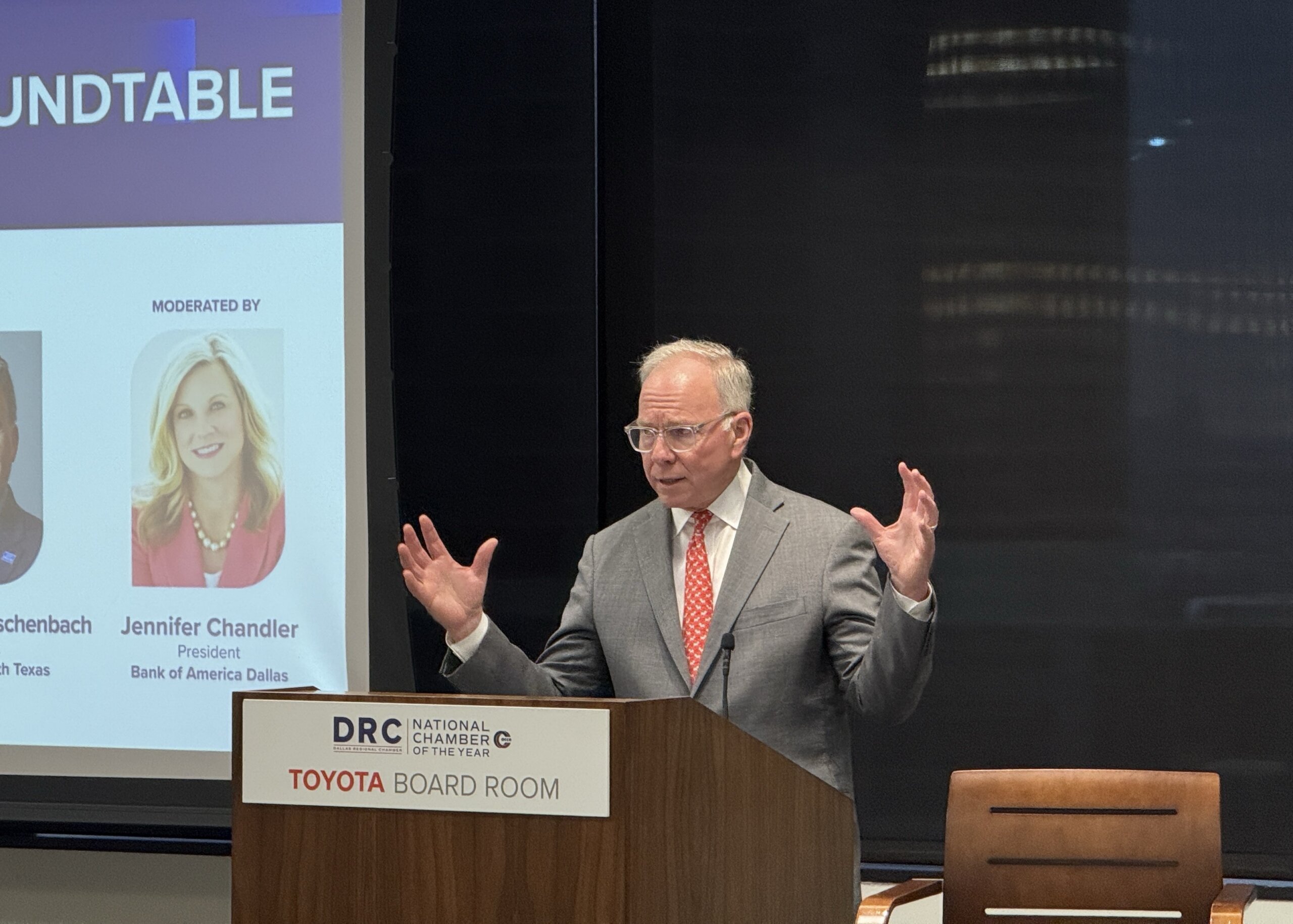
Brad Cheves, President & CEO, DRC

“Dallas-Fort Worth stands out as one of the most dynamic markets in the country, and if we want to continue standing out, we must reinforce the foundation that brought us here: our talent and workforce,” said Darcy Anderson, Vice Chairman of Hillwood and 2026 DRC Board Chair. 

Cheves encouraged business and education leaders to work together to sustain the Dallas Region’s momentum by creating alignment between what employers need, what the region’s education and training systems produce and what opportunities are available to the workforce. 

“We need to foster connections between the business community, educational institutions and jobseekers to identify proactive, innovative solutions that will enable our talent and workforce to scale with our growth,” said Cheves. 

To learn more about the DRC’s Talent and Workforce efforts, visit our website. To get involved and see how your business can benefit from these efforts, join the DRC’s Talent Labs and attend the next DRC Talent Talk. 

By Tyler Files, Director, Talent Strategies

Estimated reading time: 1.5 minutes

Applications are open for the 2026 DRC Talent Labs, a five-month cohort experience designed to build solutions for talent challenges facing organizations today. Presented by Bank of America, the program equips participants with evidence-based strategies, subject experts, peer insights, education credits and tangible action plans.

Here are three reasons to apply today:

1. Build peer connections with DFW’s top talent leaders

Participants will join talent professionals from various regional organizations, like 2025 program participants McKesson, Children’s Health, KPMG, DFW Airport and JE Dunn Construction and more, to develop  unique strategies and solutions for shared challenges. These relationships extend beyond the five-month program and create lasting resource networks for talent leaders.

2. Learn evidence-based talent strategies that actually work

Talent Labs participants will learn evidence-based strategies from market leaders and industry experts.

Across five monthly sessions, participants dive deep into practices that drive measurable talent outcomes, aligning organizational goals with employee engagement, building internal pipelines through succession planning and upskilling and leveraging AI responsibly to scale impact. Participants will hear from expert practitioners, participate in case study discussions and explore real-world examples during a Bank of America site visit, where they will see market-leading talent practices in action.

Each session is designed to provide immediately actionable frameworks. As participants build their expertise, they can earn continuing education credits toward SHRM or HRCI recertification, making Talent Labs an investment in both an organization’s success and one’s professional credentials.

3. Leave with a ready-to-implement Capstone Talent Plan

Through Talent Labs, leaders don’t just learn—they build.

Throughout the program, participants develop a Capstone Talent Plan tailored to their organization’s biggest talent challenge. Whether it’s reducing frontline turnover, building a leadership development pipeline or designing an AI-powered upskilling program, the Capstone Talent Plan becomes a roadmap for defining SMART goals, identifying stakeholders, planning implementation steps and determining how to measure success.

Participants will work alongside their peer group, refining their approach through each session with feedback from the cohort and program facilitators. By December, participants will present their plan—not as a theoretical exercise, but as a ready-to-execute strategy they can take back to their leadership team.

Ready to take the next step?

Applications for the 2026 DRC Talent Labs are open until Friday, June 12. The program runs August-December 2026, with five monthly sessions at the DRC office in downtown Dallas.

Ready to turn strategy into action? Visit our Talent Labs webpage to learn more and apply today. Contact talent@dallaschamber.org with any questions or comments.

By Ashlynn Bouldin, Coordinator, Communications & Marketing

Estimated reading time: 2 minutes

On Wednesday, May 6, Leadership Dallas (LD) alumni and upcoming graduates gathered at the Las Colinas Country Club for the program’s Annual Leadership Luncheon, where attendees reconnected and celebrated the upcoming graduation of the LD Class of 2026.

“From tackling education and workforce disparities to fostering economic growth, the collective efforts of Leadership Dallas alumni have left a lasting mark on our region,” said Darcy Anderson, Chairman of Hillwood Management and 2026 DRC Board Chair.

The annual luncheon provides an opportunity for the DRC to celebrate those efforts. At the event, the DRC awarded the LD Distinguished Alumni Award to Jennifer Bartkowski, CEO of Girl Scouts of Northeast Texas (GSNETX) and graduate of the LD Class of 2016. Below are key insights Bartkowski shared about her LD experience and its impact on her leadership.

LD is a platform for leadership development

Brad Cheves, President & CEO, DRC; Jennifer Bartkowski, CEO, Girl Scouts of Northeast Texas

As the Dallas Region’s premier leadership program, LD helps executives assess how they can leverage their expertise to address challenges and opportunities within the Dallas Region through 10 months of hands-on curriculum. Each year, 55 participants are selected based on proven leadership potential within their organization and community. Over 2,300 leaders have participated in the program, and 23% of the DRC’s board members are LD alumni.

“Leadership Dallas introduced me to the very best of what’s happening in the North Texas region and in the Dallas community,” said Bartkowski. “It introduced me to the [region’s] potential, its challenges and the things that could be in the city of Dallas. It helped me be a better leader, and I don’t know that I could’ve learned that anywhere else.”

Bartkowski’s leadership—both before and after her LD graduation—are testaments to the caliber of LD alumni. Throughout her 17-year career at GSNETX, she has elevated issues impacting young girls in Texas and pioneered programs that platform and enable them to thrive in STEM, like the first two DreamLabs in Texas and the STEM Center of Excellence—the first of its kind in the nation.

“Dallas is a community that thrives with innovation and is generous enough to invest in it,” said Bartkowski. “I don’t think we could have done something like [the STEM Center of Excellence] anywhere else across the country.”

LD builds a foundation of collaboration and engagement

Bartkowski also emphasized how surprised and excited she was by the enthusiastic leaders she worked with when she joined LD in 2016.

“I wanted to meet different people—people who shared values with me, who wanted to build a better place, lead, contribute and invest back into the community. I was so honored to be surrounded by those people who, now, are lifting others up.”

Hellen Oduor, Director of Quality, Methodist System, ’27 LDA Chair; Renda Mathews, Dallas Market President, Truist Bank, ’26 LDA Chair; Brad Cheves, President & CEO, DRC; Darcy Anderson, Vice Chairman, Hillwood Management, ’26 DRC Board Chair; Jennifer Bartkowski, CEO, Girl Scouts of Northeast Texas; Peter Brodsky, CEO, Reimagine Redbird; Meghan Kelley Wehner, EVP, DRC

While discussing her journey with GSNETX, Bartkowski noted the impact LD had on her leadership and ability to create change, encouraging the LD Class of 2026 to maintain their community engagement beyond graduation and get involved as LD alumni.

“It’s easy to graduate and go out in the world, go back to work and your families and not be involved in anything. If I had done that, I would not be sitting here,” she said. “I encourage and invite you to find the places you want to lean into and to do those things. Sit in the meetings and invest the money. Tell the stories of the people who can’t tell them themselves. This community needs you to do it.”

Renda Mathews, Dallas Market President at Truist Bank and Chair to the LD Alumni Council, echoed a similar sentiment, noting the unique opportunities LD alumni have to create scaling regional impact.

“That’s what makes this program special—our ability to expand it beyond graduation and create impact that will, one day, grow beyond ourselves,” said Mathews.

To learn more about Leadership Dallas, visit our website. Alumni looking to get involved in the LDA Council can contact Cecilia Villa, DRC Senior Vice President of Member Engagement, at cvilla@dallaschamber.org.

By Elizabeth Koestler, Vice President, Economic Development 

Estimated reading time: 1.5 minutes 

Of the many ways the DRC team works to attract companies to DFW, one of our least-publicized efforts is often the most promising: going straight to companies and building relationships in person. Sometimes, planting those seeds years in advance is exactly how a prospective business eventually becomes a corporate neighbor. That’s the idea behind our marketing trips—and why we make them a regular part of our work. 

Planting the seeds: Why the DRC travels for DFW 

A few times each year, we travel to major U.S. markets to bring the DFW story directly to the companies writing the next chapter of their own. Our most recent trip took us to New York City. 

We met with businesses considering relocations or expansions, some that already have a presence in DFW—and are weighing whether to grow it—and others that haven’t yet planted roots in our region at all. Our goal is to make DFW impossible to overlook when those decisions get made. 

Most of the meetings we take are confidential. Companies exploring location decisions aren’t ready to go public with that process, so our role is to be a trusted resource in those conversations and help them navigate the entire DFW region from their current home. 

When we have the opportunity to bring along DRC investors and regional economic development partners, the impact multiplies. There’s a meaningful difference made when a DFW business leader shares what our region has to offer right alongside us. These peer-to-peer moments give prospective companies a real peek into the DFW business community—and for the companies that aren’t yet familiar with our region, that perspective can be comforting and persuasive. 

Forging partnerships from Wall Street to Y’all Street 

On this trip, our meetings covered a wide range of industries—from financial services to life sciences—to reflect DFW’s diverse economy. We also took part in two iconic moments: closing a day with the New York Stock Exchange (NYSE) and kicking off another with Nasdaq. 

DFW has become a major hub for financial services activity, and the region is now home to three stock exchanges: the Texas Stock Exchange (TXSE), NYSE Texas and Nasdaq Texas. Getting to see two of them up close in their home bases was an exciting reminder of what’s to come and already happening in our region. 

NYSE Texas hosted our group for the NYSE closing bell at their headquarters on Wall Street, and the following morning, we headed to Nasdaq for their opening bell. Coincidentally, the company ringing the bell that day was YESWAY, a Fort Worth-based company marking its Initial Public Offering (IPO)—a powerful testimony to the scale and success of businesses across DFW. 

Fostering DFW’s growth, both within and outside regional bounds 

By keeping DFW on the radar of business decision-makers, we’re building a foundation for long-term relationships that could pay off in a major announcement years later. 

While our region’s growth speaks for itself, that growth doesn’t happen on its own—it’s forged through dedicated partnerships and collective efforts. And we’re grateful to the partners who help us maintain and further our region’s growth by supporting our work—both within DFW and beyond. 

We’ll be back on the road before long, and we’ll keep bringing the DFW story with us so that our region can continue to grow together. Visit our Prosperity & Economic Development webpage to learn more.