
By Ashlynn Bouldin, Coordinator, Communications & Marketing
Estimated reading time: 2 minutes
Over 240 business leaders and community change-makers gathered on Wednesday, June 3, for the DRC’s Opportunity Summit, presented by EY. This year, the summit focused on the connections between community health and economic mobility, with exclusive insights and announcements from some of the Dallas Region’s most innovative health care leaders. The summit also engaged attendees with key drivers of regional prosperity through five breakout sessions covering environmental health, talent readiness, financial access, neurodiversity in the workforce and economic opportunity.
Below are key takeaways from the event.
Every facet of community well-being affects economic opportunity
Speakers agreed that health is inextricably linked to economic opportunity and that long-term regional prosperity requires a strong foundation in community well-being.
“When people are healthy, they’re able to participate in the workforce, support their families, pursue education and contribute to their communities. When communities are healthy, businesses benefit from a stronger workforce, greater productivity and a higher quality of life that helps attract and retain talent,” said DRC President & CEO Brad Cheves.
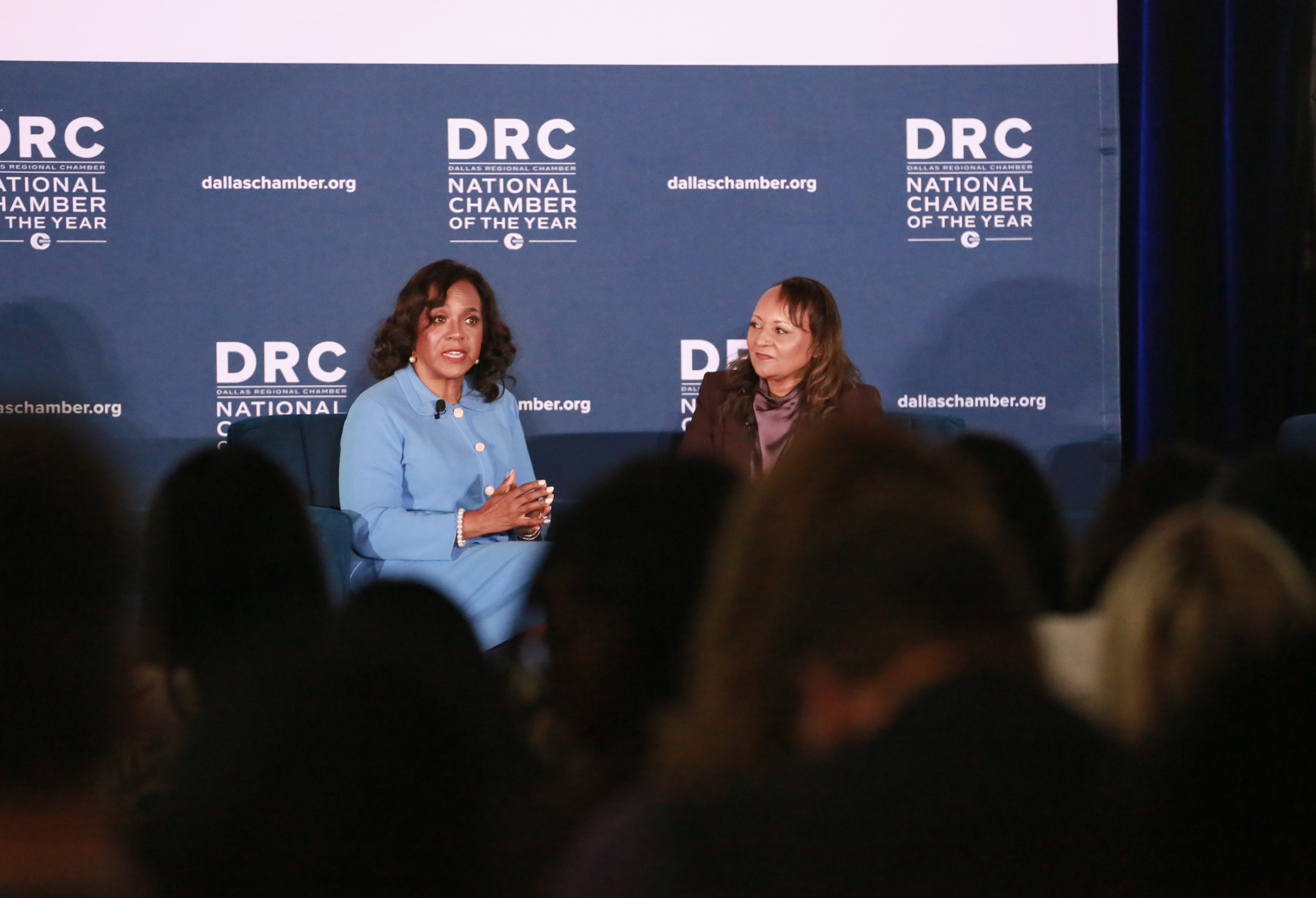
This summit spotlighted the social determinants of health (SDOH) to engage leaders with the factors affecting community health outside clinic walls. DRC Senior Vice President of Opportunity & Impact, Tosha Herron Bruff encouraged leaders to embrace a holistic approach to health that accounts for the SDOH.
“Health isn’t just built in a clinic—it’s built in neighborhoods. And when those fundamentals are missing, everything downstream suffers—school performance, workforce participation, earning potential and more.”
Building a healthier region starts with community understanding
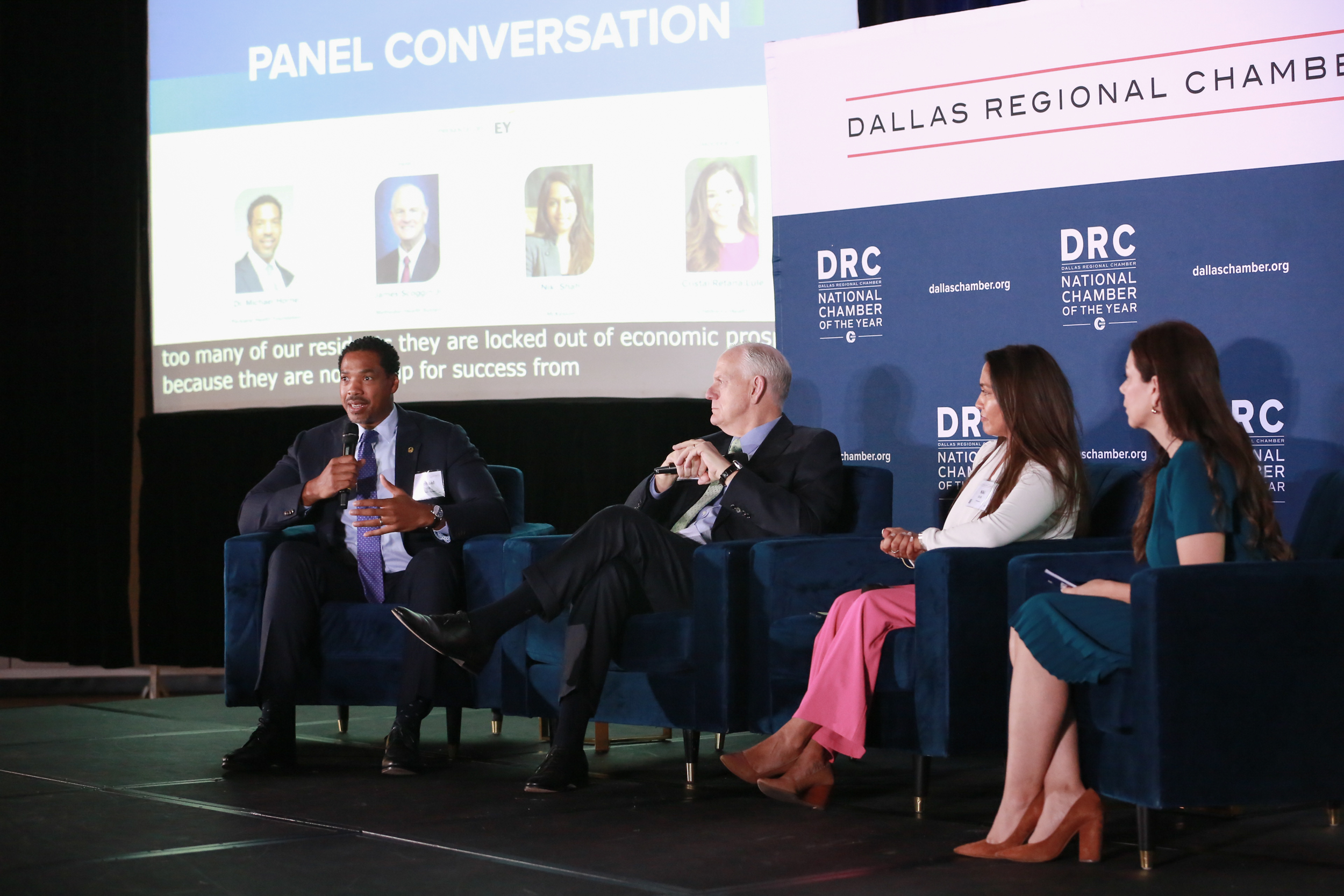
Speakers emphasized that effective solutions to health challenges require an understanding of community needs. Parkland Health Foundation President & CEO Dr. Michael Horne encouraged leaders to engage with resources like the 2025 Community Health Needs Assessment, facilitated by Parkland Health and Dallas Health and Human Services, to start building that understanding.
“Really ground yourself and educate yourself on what the issues and opportunities are. … That information can really drive how we’re allocating our financial and human capital.”
Methodist Health System CEO James Scoggin praised partnerships with not-for-profits as effective ways to understand community needs and build long-term impact.
“If anybody’s looking to get started, go to those not-for-profits. Feel their heart, their excellence, passion and mission. Then figure out who it is you want to or can work with. … The most important thing [these partnerships] serve for us is community connection and trust.”
Businesses have a wealth of options for health and wellness opportunities
Speakers encouraged businesses to pursue health initiatives that best fit their needs and capacity—from regional partnerships to employee benefits—because a healthier workforce creates greater opportunity for individuals and companies alike.
VBJ Enterprises Founder & CEO Dr. Vivian Johnson highlighted programs and offerings businesses can start implementing at little to no cost using resources like Telehealth.
“Offer education once a week or once a month about disease states for your employees. Partner with organizations like Parkland, Medical City and Methodist to have community health workers come on site and do screening for diabetes and high blood pressure.”
McKesson Senior Vice President of Health Impact & Innovation Niki Shah noted investments in local organizations and partnerships as excellent methods of leveraging resources to solve health challenges both within and outside the workplace.
“We employed community health workers in our distribution centers to support our own employees’ social needs. … We partnered with the QH Council of Greater Dallas, Phoenix Transportation and Meals on Wheels to develop a program to specifically address the social drivers of health in the cancer community.”
Closing regional health care gaps starts with just 12 miles
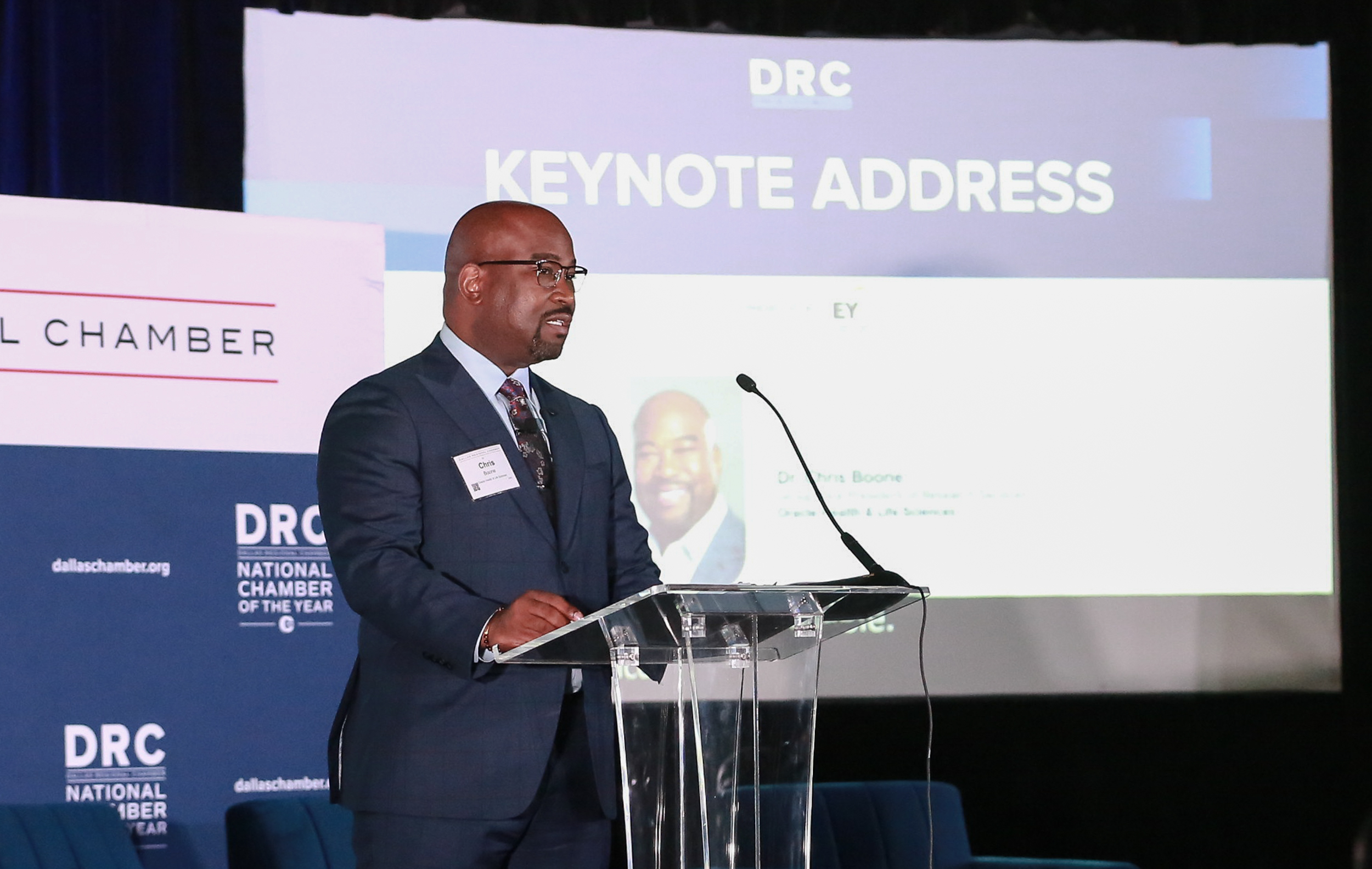
During his keynote, Group Vice President of Research Services at Oracle Health & Life Sciences Dr. Chris Boone guided attendees along the 12-mile drive between Dallas’ Oak Cliff and Highland Park. Along the drive, Dr. Boone outlined the major differences in health outcomes between the two communities, epitomized by their life expectancies.
“[Oak Cliff] has a life expectancy of about 68 years of age. [Highland Park] has 85 years of age. This drive has cost us 17 years of human life—more than a year of human life for every mile of asphalt.”
In response to this health gap, Dr. Boone announced a partnership with the DRC at the event: Twelve-Mile, a regional compact dedicated to closing the 17-year life-expectancy gap between ZIP codes 75233 (Oak Cliff) and 75205 (University Park). Through workforce practices, benefits design, neighborhood investment and hiring and advancement pathways, Twelve-Mile organizes employer influence into measurable change.
To explore health and wellness opportunities for your business and learn more about the DRC’s quality of life work, visit our webpage or contact the Opportunity & Impact team.