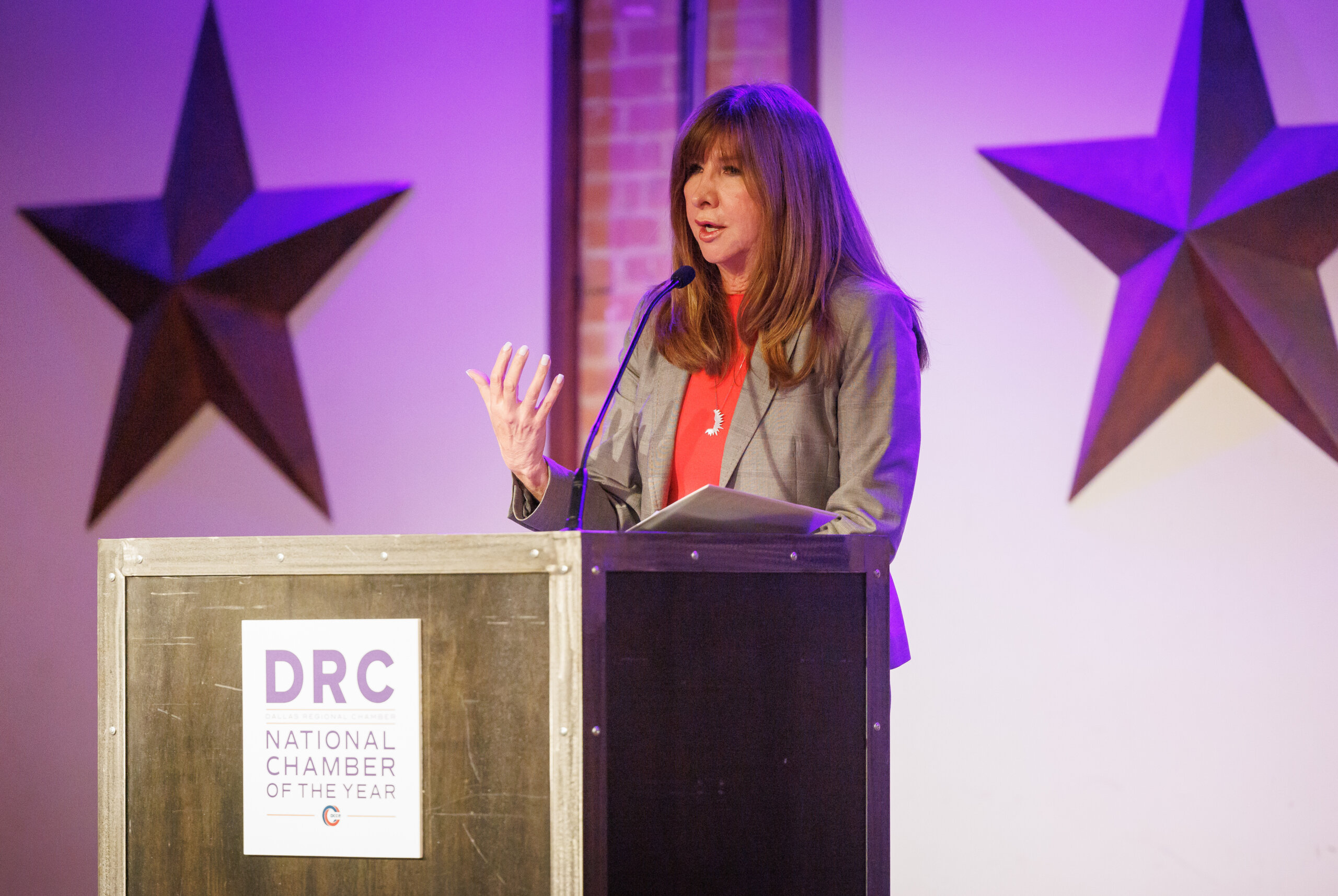
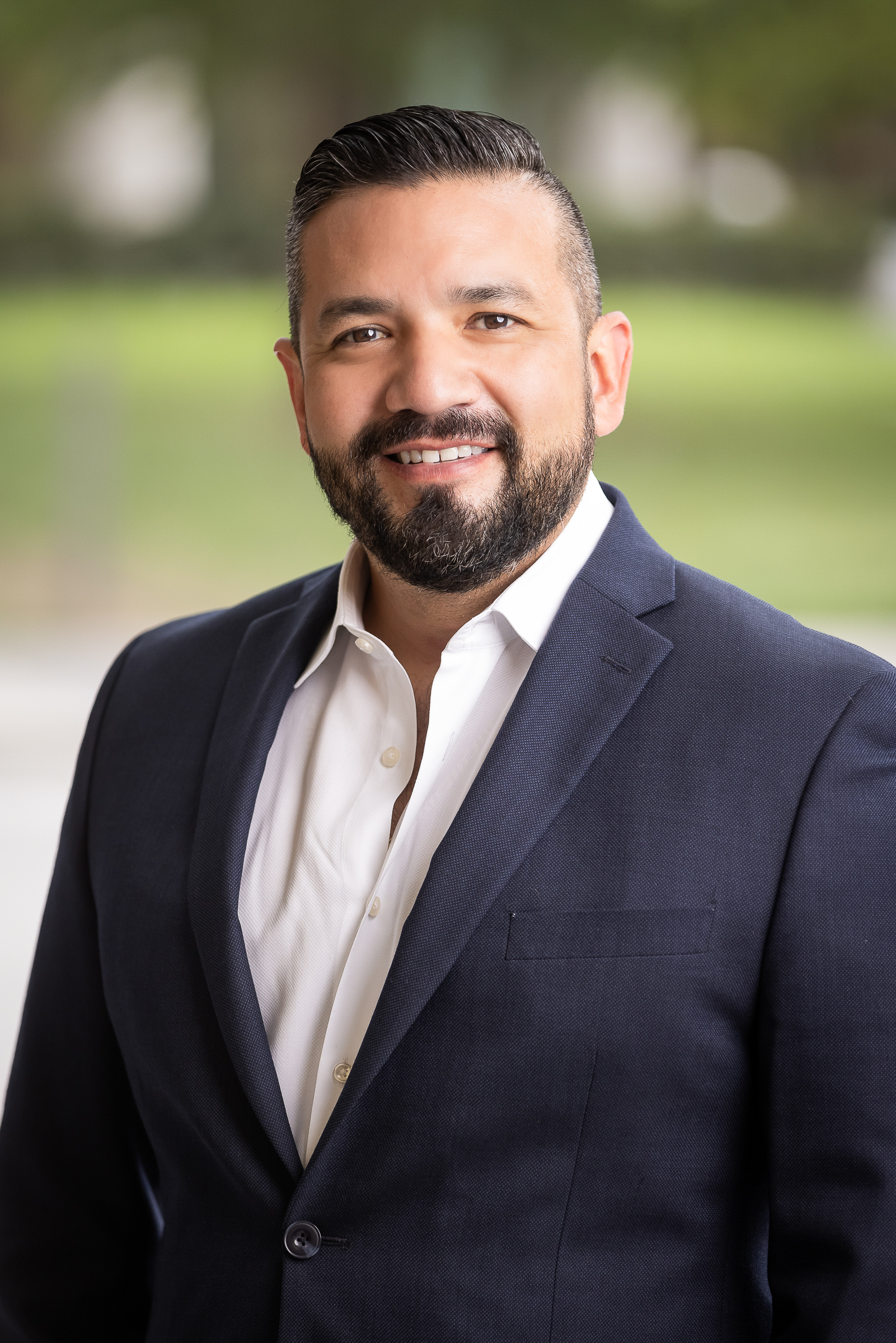
The Dallas Regional Chamber (DRC) is proud to announce the winners of the 2024 Best Place for Working Parents® Dallas Innovator Awards, recognizing the three local companies for their exceptional commitment to family-friendly practices in the workplace:

      • Micro/Small Business (under 200 employees): Downtown Dallas, Inc.
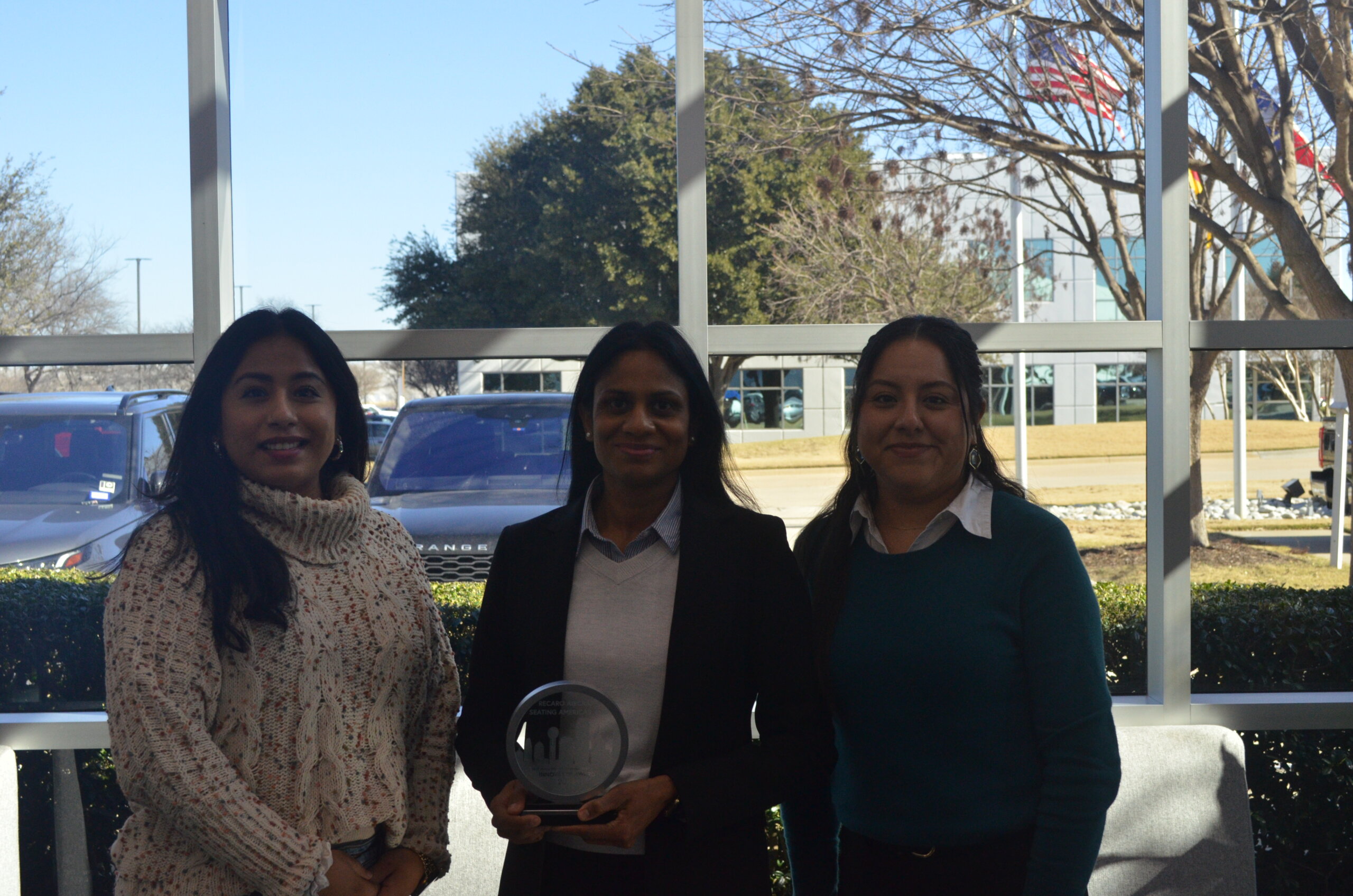
      • Medium Business (between 201 and 999 employees): RECARO Aircraft Seating Americas, LLC
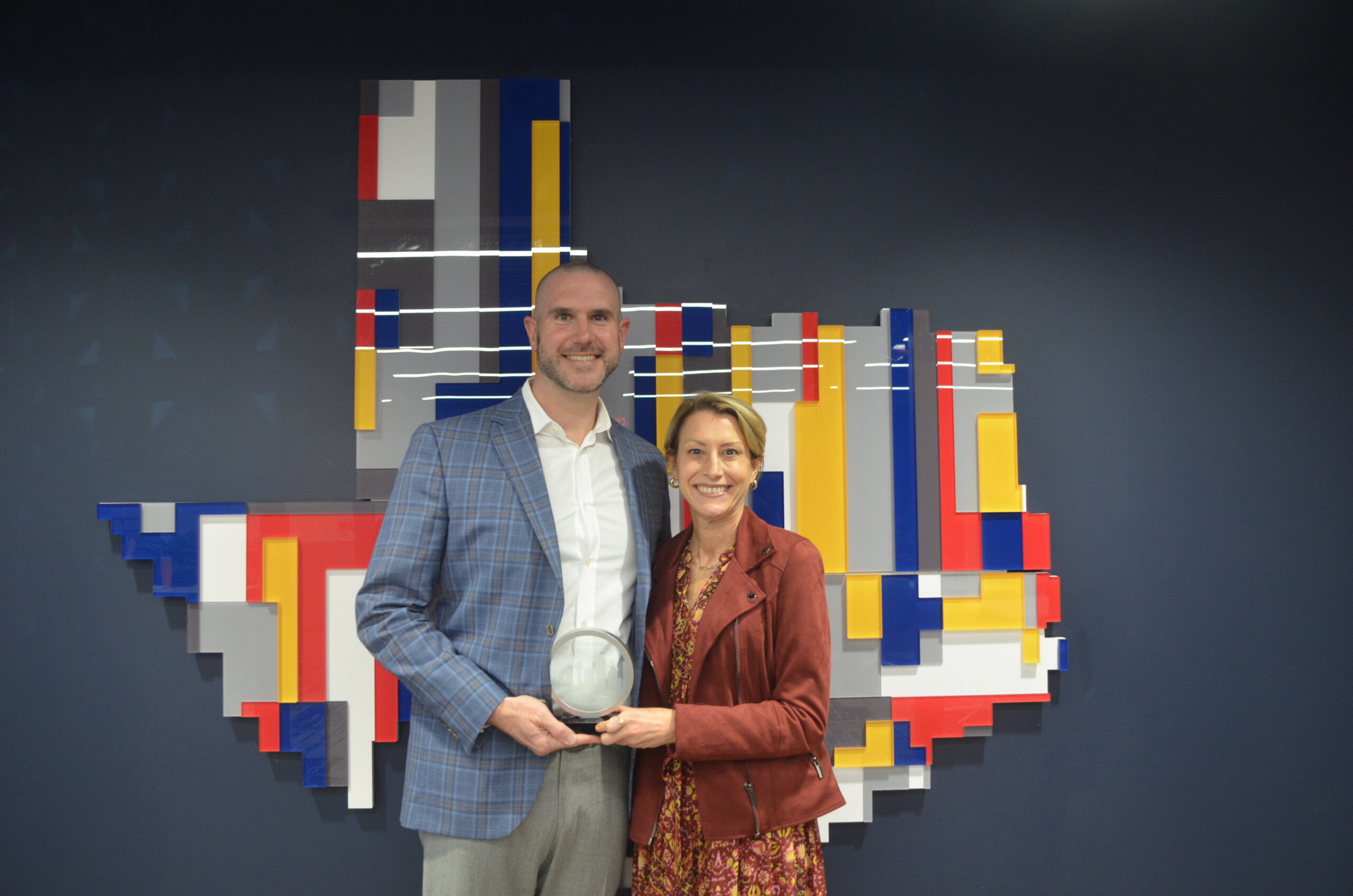
      • Large Business (more than 1,000 employees): Schneider Electric
Downtown Dallas, Inc.

The Best Place for Working Parents® Dallas program is a regional extension of the national Best Place for Working Parents® initiative. The program celebrates workplaces in the Dallas Region that prioritize family-friendly benefits and policies and raises awareness of the value of these practices for both employees and employers.

Participating companies complete a proprietary self-assessment that evaluates their offerings across 10 research-backed policies, including paid parental leave, child care support, and flexible work options. This year, more than 110 companies in the Dallas Region earned the Best Place for Working Parents® designation.

The Best Place for Working Parents® Dallas Innovator Awards further recognizes companies whose family-friendly offerings go above and beyond the requirements for a Best Place for Working Parents® designation.

“Our mission is to lead the Dallas Region to be the best place to live, work, and do business for all people, including working parents,” said Dale Petroskey, President & CEO of the DRC. “These three companies exemplify this vision through their innovative and meaningful approaches to supporting employees and their families.”
RECARO Aircraft Seating Americas, LLC

A panel of anonymous judges evaluated the Innovator Award applications, scoring each company based on the creativeness, comprehensiveness, and impact of their family-friendly policies. Only companies holding a Best Place for Working Parents® designation were eligible to apply.

Downtown Dallas, Inc. (DDI), a non-profit dedicated to driving economic development and vibrancy to Downtown Dallas, earned the Micro/Small Business Innovator Award. Despite its size, DDI sets a high standard with benefits like backup child care – a policy offered by less than a third of similarly sized businesses in the Best Place for Working Parents® network.

“DDI actively listens to its employees to continuously improve benefits and support systems, ensuring working parents can balance their professional responsibilities with family life,” said Jennifer Scripps, DDI President & CEO. “We are committed to empowering our working parents by tailoring workplace policies to meet their evolving and diverse needs.”

RECARO Aircraft Seating Americas, one of the world’s top aircraft seat manufacturers, received the Medium Business Innovator Award. Leading the way in family-friendly benefits, RECARO offers a fully employer-funded benefits policy, providing employees and their families with comprehensive coverage and peace of mind. This includes a Dependent Daycare Flexible Spending Account for child care, after-school care, babysitting, and nanny services. The company also provides an outreach Maternity Care Program to help expecting mothers access resources during pregnancy and gifts first-time parents a car seat or stroller.
Schneider Electric

“Our team continuously aims to provide benefits that are comprehensive and impactful for our employees, with a great focus on our working parents. This means building a strong partnership with our providers and continually re-evaluating our offerings to ensure all employees can have the best care for themselves and their loved ones because our employees are the cornerstone of our business,” said Sunitha Vegerla, General Manager at RECARO Aircraft Seating Americas.

Schneider Electric, a Fortune Global 500 leader in digital automation and energy management, earned the Large Business Innovator distinction for its exceptional benefits that set a new bar for family-friendly policies. Employees have access to comprehensive resources for family planning, adoption and surrogacy support, fertility treatments, and robust parental leave: 20 weeks of fully paid leave for primary caregivers and four weeks for secondary caregivers.

“At Schneider Electric, we understand that supporting our employees who are parents is essential for both personal and professional success. When we practice inclusion and care, we ensure our employees can make an impact at work and home,” said Mai Lan Nguyen, Senior Vice President of Human Resources at Schneider Electric North America.

Connecting Family-Friendly Employers to Policy Solutions

The DRC is proud to recognize these three companies for their leadership in supporting working parents. Their efforts underscore the critical role employers play in creating a sustainable workforce, particularly as child care remains a top concern for families and employers.

The DRC encourages all Dallas Region employers to follow the examples set by Downtown Dallas, Inc., RECARO Aircraft Seating Americas, LLC, and Schneider Electric by offering impactful and innovative family-friendly policies that support employees and strengthen the workforce.

To learn more about the Best Place for Working Parents® Dallas initiative, and to nominate your company for the 2025 Best Place for Working Parents® designation, please visit the DRC’s website here.


QTS is the global digital infrastructure leader. QTS designs, builds, and operates the world’s most innovative, secure data centers in the United States and Europe. QTS delivers secure, compliant infrastructure solutions, robust connectivity, and premium customer service to leading hyperscale technology companies, enterprises, and government entities. 

How does QTS help its clients build value?

QTS’s solutions are vital for managing business data, running websites, and accessing cloud services securely. Our data centers ensure global access to essential online services like email, social media, and entertainment.

We provide value through our reliable, high-performance data center solutions, prioritizing customer experience with a focus on transparency, flexibility, and a trusted partnership approach, often highlighted by industry-leading Net Promoter Scores, indicating high customer satisfaction and loyalty. QTS is a dependable partner for managing critical data infrastructure with a strong emphasis on customer service and operational excellence. QTS revolutionizes data center capabilities by anticipating and solving our customers’ most complex challenges.

What differentiates QTS within your industry?

QTS provides world-class data center solutions, backed by our core differentiators.

Our unrivaled land, capital, supply chain, utilities, and labor resources create powerful solutions for our customers. We’re proud to be a responsible neighbor, delivering best-in-class site development, construction, and operations standards. QTS also advances sustainability, prioritizing carbon-free energy sources, water conservation, and sustainable practices. Our “Powered by People” culture brings our core values to life, building trusted, long-term relationships with our customers and the communities where we live, work, and operate. We invest in disciplined innovation, powerful partnerships, and an experienced team—all to deliver trusted, best-in-class services.

What benefits does QTS enjoy by doing business in the Dallas Region?

The Dallas Region is thriving, and QTS is proud to be part of it. We’re looking forward to creating sustained investments in the community, tapping into the strong supply of talented resources, and partnering with local organizations on community initiatives and priorities.

Why did QTS become a DRC member?

QTS is committed to uplifting the communities in which we live, work, and operate. A healthy, safe, and sustainable community means we can operate efficiently for years to come. QTS is proud to be a member of the Dallas Regional Chamber where we can do our part to invest in this region as a long-term partner. We look forward to positively impacting the Dallas community through the economic growth we bring and the community service we champion.

How has QTS changed in the past five years?

The overall industry has been growing for some time due to the benefits of cloud computing for businesses of all sizes and everyday technology users, and advancements like AI have contributed to that.

QTS is proud to be among the fastest-growing data center companies, committed to connecting the world’s economy with purpose. Since our acquisition by Blackstone in 2021, we have accelerated our expansion plans with significant capital investment with more than 60 data centers in operation or development.

By Nicole Ward, Storyteller/ Data Journalist, Research & Innovation

This article is part of the Dallas Regional Chamber’s (DRC) award-winning Disability Inclusion Toolkit. The toolkit, presented by Ernst & Young LLP, helps companies assess and maximize their inclusion of people with disabilities, including neurodivergence. The toolkit’s data, resources, and best practices are informed by the perspective of experts and people living and working with disabilities.

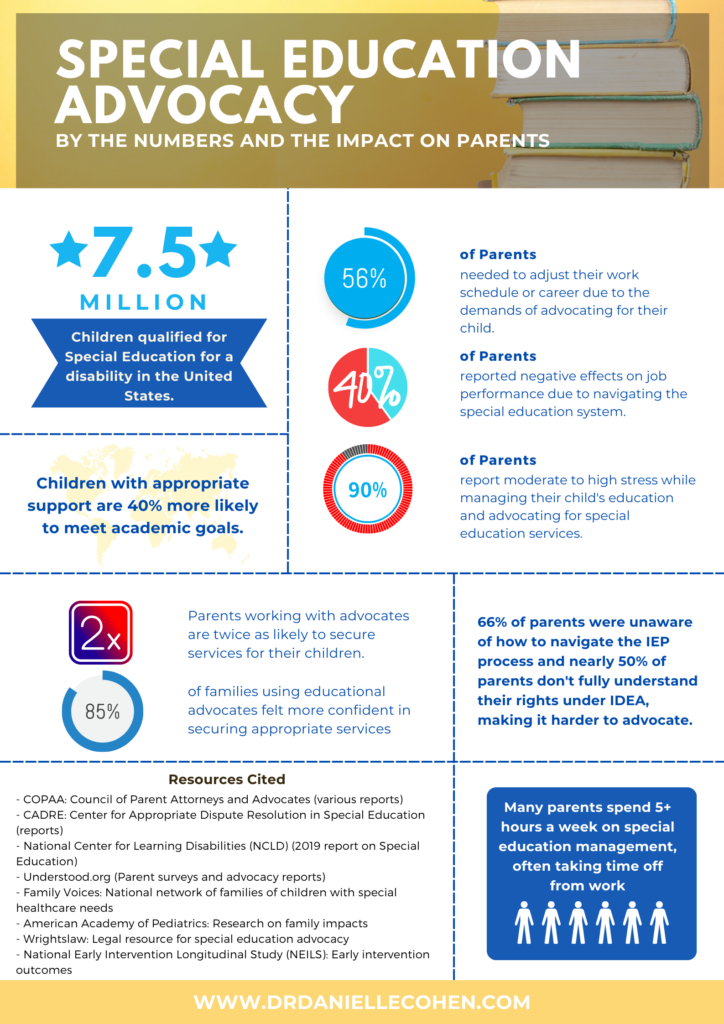
In the United States, 7.5 million children qualify for special education because of a disability. More than half of parents of children with special needs surveyed had to adjust their schedules or completely change careers to advocate for their child. Many parents spend more than five hours per week on special education management, with 40% of parents reporting negative effects on job performance as a result. 

Parents trying to navigate the education system for children with learning differences will tell you it’s stressful. Dr. Danielle Cohen—known to her clients as Dr. Dani—has been through it with her own child.

“I knew he was dyslexic two years before the school district would test him,” said Dr. Cohen, who has a background in education consulting and teaching. “I kept getting pushback – ‘he’s too young,’ or ‘lots of kids reverse their letters.’”

By second grade, her son still had trouble reading, so the school agreed to test. The conclusion: double deficit dyslexia, which means there are two issues at play – phonological awareness (difficulty processing the sounds that make up words) and naming speed.

“I completely changed my career so that I could support him, but not everyone can do that. So, I developed programming to help parents navigate the process.”

From testing to securing resources, and managing Individual Education Programs and 504 plans—which are the specific plans developed for students with disabilities to remove barriers to regular education—Cohen demystifies a process that can feel like a hill too steep to climb.

“I want to empower parents so they don’t need an advocate or an attorney. My goal is to be fired,” said Dr. Cohen.

With clients across the country, Cohen offers a variety of packages through employers.

“While not directly the responsibility of employers to find disability resources for their employees, the more they can provide information and facilitate connection to those programs, the more supported and connected the employee will feel with the company,” said founder of ConnectIDD Michael Thomas in a DRC blog post. “Moreover, the more a family has external support and programs in place, the better they will perform at work; it’s that simple. Demonstrating this sort of care and support for an employee and their family is an easy win, generating more committed team members”.

It is up to companies to determine how they want to pay for it—either by covering the total or splitting costs with each employee. Some companies also facilitate one-on-one meetings between parents and Dr. Dani, both virtually and in person.

“Right now, 7.5 million kids qualify for special education in the United States, and those parents need to learn the language. They need to learn when to take off their mommy hat and step into the role of advocate. I help parents do that,” said Dr. Cohen.

For more information, visit Dr. Danielle Cohen, LLC’s website.

To access the DRC’s Disability Inclusion Toolkit, visit our website.

By Catie George, Director, Communications & Storytelling

Attendees visited the Amazon Air Hub in Fort Worth.

The Dallas Regional Chamber (DRC) hosted the first-ever Dallas Regional Days: At the top of the Texas Triangle, presented by Haynes & Boone, in late November 2024. The three-day event showed off the Dallas-Fort Worth (DFW) region to state legislators ahead of the 89th Texas Legislative Session.

“We work hard every day to get even better and to be the best place in America for everyone, to live, work, and do business,” said DRC President & CEO Dale Petroskey to attending legislators. “When you’re making decisions and casting votes in Austin, we want you to remember what you saw here and to cast your vote to make DFW better because a stronger DFW means a stronger Texas.”

More than 40 elected officials and 72 companies engaged with the event, designed to provide lawmakers experiences unique to Dallas and an in-depth education about the strengths—and needs—of the Dallas Region.

“By the year 2100, it’s expected to have over 30 million people, just in this market. So, imagine what will happen to the rest of the state. And so for the leaders in the room, think big, have vision. Let’s get legislation passed and let’s go way out in the future,” said Ross Perot Jr. at the event’s kickoff. “I don’t see anything that’s going to change our momentum. And the only thing that can slow down is if we don’t continue to be optimistic. Look ahead and get ready for what’s going to happen.”

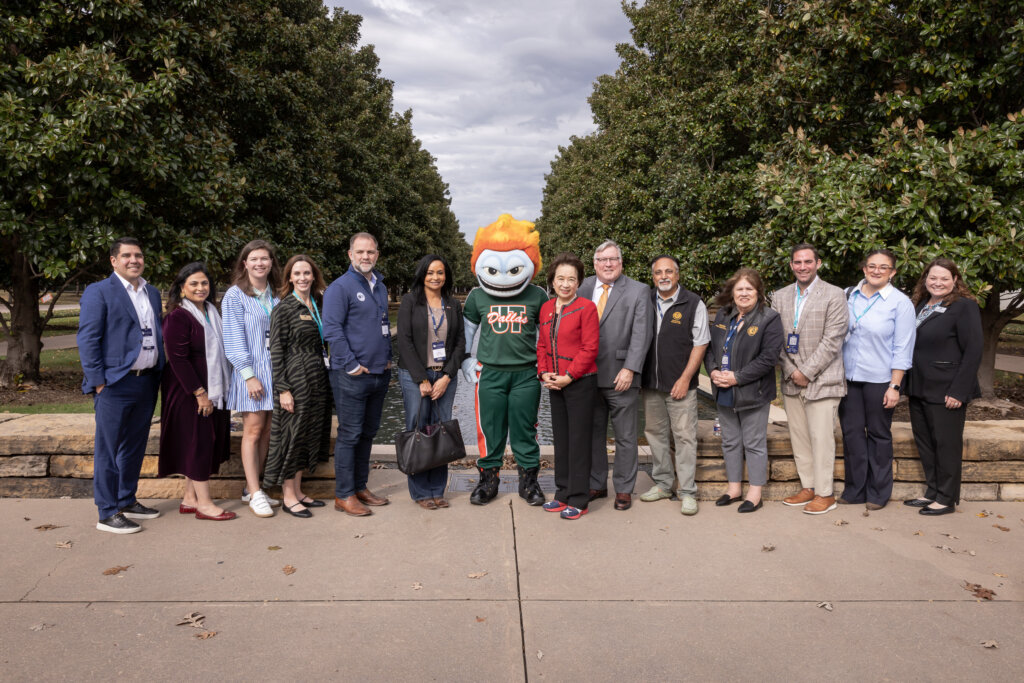
Legislators and business leaders were welcomed to the University of Texas-Dallas by Temoc, the UTD mascot.

Cynt Marshall, then-CEO of the Dallas Mavericks and 2024 DRC Board Chair, illustrated the Dallas Region’s economic prowess and pivotal role in Texas’ economy.

“Our region is home to 26.6% of the Texas population, but we have 28.7% of the state’s economy. If Dallas-Fort Worth were a nation, our economic output would be ranked 23rd in the world,” Marshall said.

Since 2010, more than 280 headquarters have moved to the Dallas Region and 1.3 million new jobs have been added. Additionally, six Fortune 500 corporate headquarters have moved here in the past eight years, cementing DFW as a destination region for corporate locations and expansion.

The main event of Dallas Regional Days was a day full of educational site visits—five different tours attending a total of 15 site visits chosen to provide a holistic overview of DFW industries, companies, and educational institutions. Host sites included Toyota Motor North America, West Coast University-Texas, Dallas Independent School District, Texas Health Resources, Texas Instruments, University of Texas at Dallas, Dallas College, Dallas-Fort Worth International Airport, Lockheed Martin Missiles and Fire Control, University of North Texas, Amazon’s Air Hub, University of Texas at Arlington, UT Southwestern Medical Center, Haynes & Boone, and Pegasus Park.

Before embarking on their site visits, a panel of experts set the scene for one of the most important needs for DFW and the state: water.

“The most pressing water need for the state of Texas and for this region is new water supply. That’s the only way we can get it. We’re not going to conserve our way out of this,” said Kevin Ward, General Manager of the Trinity River Authority.

DFW Airport’s Public Safety Center showed attendees a bomb-detonating device and state-of-the-art facilities.

According to Ward, Texas needs about 19% more water to be able to meet our 2080 needs. Water and other infrastructure needs are top priorities of the DRC’s legislative agenda, and the DRC recently joined a coalition of business leaders urging the Texas Legislature to establish a dedicated revenue source for water projects.

Companies moving to the region are thinking about water supply in the long-term, which means the need must be addressed now.

“It’s starting to impact us now as we think about opportunities for growth and expansion and where we can operate as a business. We have to have consistent, secure, reliable sources of water in order to grow our crops and produce the foods and beverages that we do as an organization,” said David Allen, Vice President of Sustainability at PepsiCo. “We’re making decisions now for growth that we’re going to invest in coming years, and we have to take an honest look at what is possible… We feel it now and we’re making decisions now based on the water projections.”

Solutions will require the cooperation of public and elected officials and the private sector and an increased sense of urgency.

“It’s [for] our grandchildren. What are they going to do without us making these investments today? What does their world look like? Do you have water for them? Do they have the ability to flush a toilet or experience a lake?” asked Sarah Standifer, Director of Dallas Water Utilities. “We’re going to have to get creative. We’re going to have to play in the sandbox together a whole lot more as we move forward.”

Capping off the event, Petroskey led Senator Kelly Hancock in a conversation on what legislators should take back to the Austin.

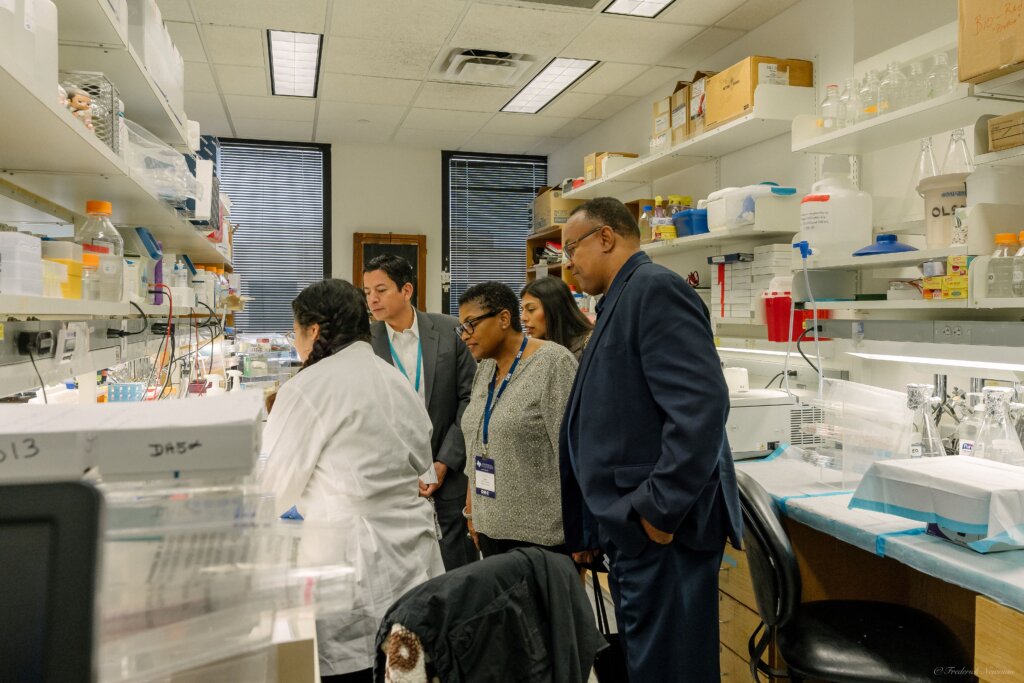
At UT Southwestern Medical Center, attendees got a peak into a molecular biology lab.

As the Dallas Region continues to excel as an economic powerhouse, it is important for legislators to understand what makes the Dallas Region critical to Texas.

“This is our first year hosting this event. It won’t be the last. We want you to see what’s going on in the DFW area,” said Jim Springfield, President of Blue Cross and Blue Shield of Texas and 2025 DRC Board Chair. “It’s exciting to see leaders from across the state come together, share ideas, talk about issues, talk about problems, and work them out. That’s what collaboration looks like. That’s what makes Texas a wonderful state.”

Thank you to our 30+ sponsors who made Dallas Regional Days possible, including American Airlines, AT&T, Bank of America, Baylor Scott and White, Blue Cross Blue Shield of Texas, Haynes & Boone, Hillwood Development Company, LLC., Oncor, Texas Instruments, Toyota Motor North America, Wells Fargo, Amazon, Chickasaw Nation, Dallas College, DART, Fidelity, LH Capitol, Lockheed Martin, Southwest Airlines, Texas Health Resources, The, University of Texas at Arlington, UT Southwestern Medical Center, Verizon, Cyrus One, The Dallas Cowboys, Google, MV Transportation, Ryan, LLC, Starbucks, The University of North Texas, The University of North Texas – Dallas, and West Coast University.

The DRC is already looking forward to our next Public Policy event, the Austin Fly-In. On Tuesday, Feb. 4, the DRC will host an exclusive trip to Austin to meet with our state leaders during the 89th Texas Legislative Session and advocate for pro-growth, pro-business policies benefiting the Dallas Region. To learn more about this event, email publicpolicy@dallaschamber.org.

By Makayla Rosales, Coordinator, Diversity, Inclusion & Community Engagement

Martin Luther King Jr. Day (MLK Day) on Monday, Jan. 20, reminds us to honor the life and legacy of a leader who championed racial equality through nonviolence. This day serves as a reminder of the importance of advancing justice and equality, while also encouraging community service in line with Dr. King’s belief in service as a catalyst for social change.

On Nov. 2, 1983, President Ronald Reagan signed the King Holiday Bill into law, establishing the third Monday in January as a federal holiday to honor the civil rights leader. Efforts to recognize Dr. King began just days after his assassination on April 4, 1968. However, it took 15 years of persistent advocacy from civil rights activists for the federal government to approve the holiday. It would take an additional 17 years before all 50 states officially recognized it. Today, MLK Day remains the only federal holiday designated as a National Day of Service, encouraging Americans to volunteer and raise awareness of the ongoing work needed to achieve social justice and equality.

MLK Day reflects the progress made in civil rights, fosters unity through education and understanding, and emphasizes the significance of continued efforts toward racial reconciliation and eliminating discrimination.

Engage in the Workplace

To honor Dr. King’s message, a meaningful way to engage employees in the workplace is by offering paid time to volunteer together or organizing volunteer activities during working hours with a local nonprofit or charitable organization. This presents an opportunity to support organizations that embody Dr. King’s ideals or to deepen relationships with organizations you already collaborate with within your community.

Another effective way to foster engagement is by initiating a meaningful dialogue with your team about how to be more intentional in your collective work, with a focus on reaching diverse audiences and ensuring your products and services are accessible to all. This conversation presents a valuable opportunity to reflect on how your team’s goals and values align with the principles Dr. King championed, such as equality, inclusion, and justice. It also offers a chance to explore ways your organization can contribute to positive change within the workplace and beyond, creating an environment where everyone feels valued and empowered.

Attend an Event

If you are interested in bringing your team, friends, or family to local opportunities and festivities honoring MLK Day, here are some local events:

Candle Lighting Ceremony- 7 p.m., Friday, Jan. 10, 2025

MLK Recreation Center, 2901 Pennsylvania Ave., Dallas, TX, 75215

Join the Alpha Sigma Lambda Chapter of Alpha Phi Alpha Fraternity, Inc. in kicking off MLK Week by commemorating the life and legacy of Dr. King. The Keynote Speaker will be Rev. Bryan Carter, Pastor of Concord Church.

MLK Fest 2025- 8 a.m.-2 p.m., Saturday, Jan. 11, 2025

MLK Jr. Community Center, 2922 MLK Jr. Blvd., Dallas, TX, 75215

A community clean-up and mural painting inspired by civil rights advocate Juanita Craft, followed by a resource fair and celebration at the MLK Center with live music, food, and guest speakers.

2025 MLK Celebration Job Fair- 11 a.m.-3 p.m., Wednesday, Jan. 15, 2025

Briscoe Center at Fair Park. 1403 Washington St., Gate #2

RSVP here. (bit.ly/2025MLKJobFair)

Organized by Workforce Solutions Greater Dallas, the 2025 MLK Celebration Job Fair continues Dr. King’s fight for equal employment opportunities for people of all races to have jobs and career progress, regardless of background.

43rd Annual MLK Day Parade- 10 a.m., Saturday, Jan. 18, 2025

The Parade will start at the Fair Park Pennsylvania entrance.

Come watch on January 18 the annual Martin Luther King Jr. Parade, co-hosted by the City of Dallas and the H.E.L.P. Organization, to celebrate Dr. King’s legacy and his fight for justice and equality. Don’t miss this vibrant and inspiring event, where the community comes together to honor his work and continue the movement for positive change.

Other January holidays to celebrate

As we welcome the start of a new year, both New Year’s Day on Wednesday, Jan. 1, and Lunar New Year on Wednesday, Jan. 29, offer meaningful moments for reflection, renewal, and celebration. New Year’s Day marks a fresh beginning, a time to set new goals and embrace growth opportunities, while Lunar New Year, celebrated by millions around the world, is a rich cultural tradition that emphasizes family, prosperity, and honoring ancestors. The Lunar New Year in 2025 will mark the Year of the Snake, a symbol of wisdom, transformation, and renewal in the Chinese zodiac. To celebrate, families gather for festive meals, enjoy traditional foods symbolizing good luck, and decorate with red lanterns and banners. Parades, lion dances, and the giving of red envelopes with money also mark the occasion, all embodying wishes for prosperity, happiness, and a fresh start in the new year.

Both holidays provide an opportunity to connect with loved ones, reflect on the past, and look ahead with hope and optimism, fostering a sense of unity and shared purpose for the year ahead.

By Amber Dyer, Coordinator, Communications & Marketing

The Dallas Regional Chamber’s (DRC) second Talent Talk of the year in September, presented by Holmes Murphy and BGSF, focused on understanding talent attraction and retention trends in the Dallas Region. Below are the key takeaways from the event.

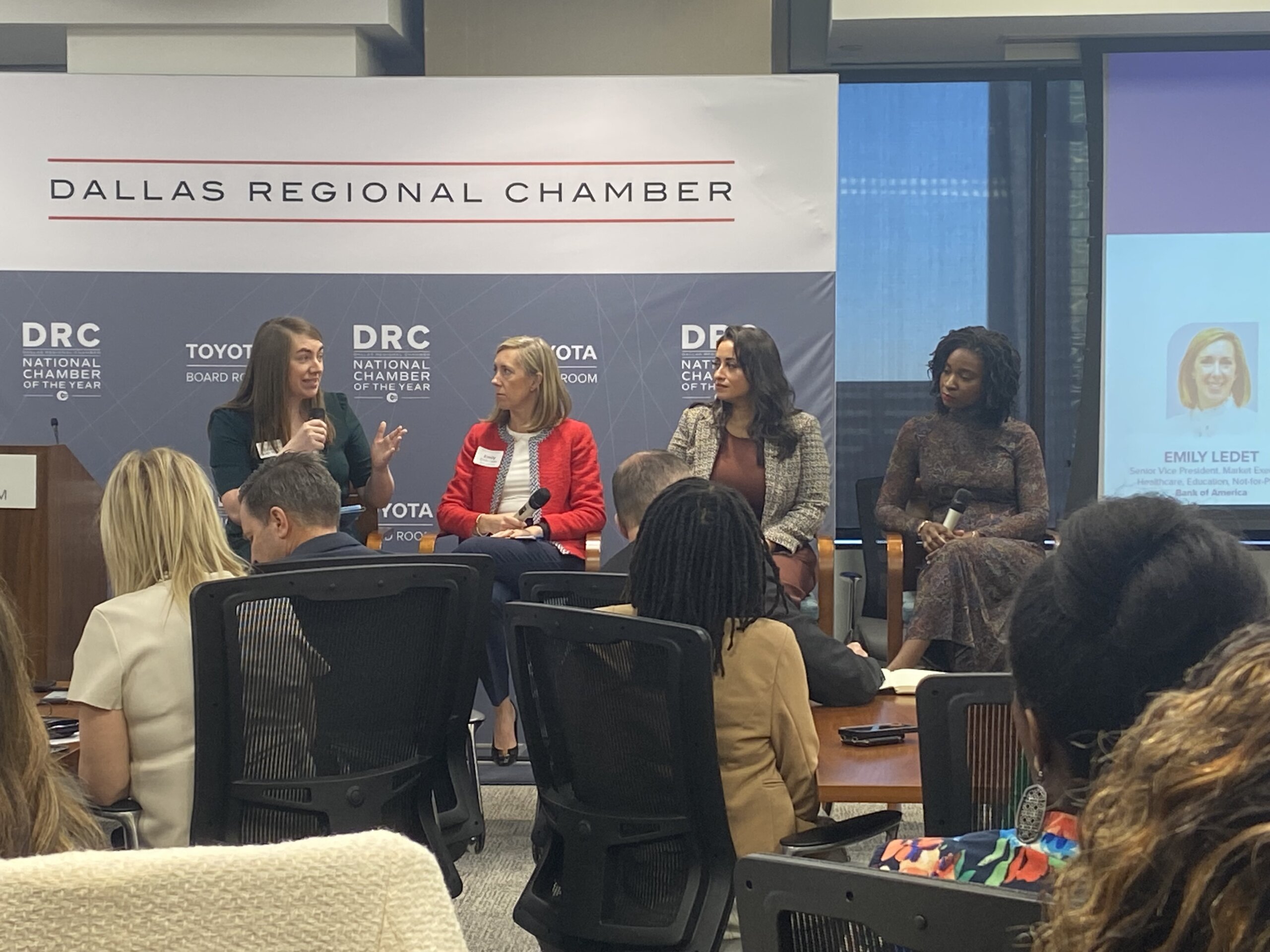
The Talk Talk panel featured Elizabeth Caudill McClaine, Emily Ledet, Maryanne Piña, and Catherine Wheeler.

Champion inclusion in the workplace

The event began with remarks from the DRC’s Senior Vice President of Diversity, Inclusion & Community Engagement Latosha Herron Bruff on the importance of inclusivity within organizations.

“Our disability community is one of the most under-looked and under-championed communities that are out there,” said Herron Bruff. She also shared that the DRC released a Disability Inclusion Toolkit in June for companies to reference as they work to include the disability community in their businesses.

“People with disabilities bring unique perspectives and problem-solving skills that can really drive your business forward,” Herron Bruff said. “But we have to create that environment, and we are asking you all to think about the next steps to progress, wherever you are in your journey.”

The panel discussed inclusive career development within organizations.

“For every organization, it’s about the people. So, any good leader needs to understand where their team is and what they need, and that needs to be a very open conversation,” said Senior Vice President and Market Executive at Bank of America Emily Ledet. “I do think it comes down to not necessarily where you are in your career that plays a role but knowing the individual and what they want to accomplish.”

Development is an accelerant tool

The discussion also explored the crucial role companies play in helping their employees develop skills that will accelerate their careers, not just sustain them.

“[But] how can a company provide learning and development opportunities when you have so many different needs, when you have different individualized career paths?” asked Elizabeth Caudill McClain, Senior Vice President of Talent Strategies at the DRC.

The panel discussed a variety of solutions to Caudill McClain’s question, sharing that organizations can adopt strategies to identify high-potential talent, such as conducting skills gap assessments. These assessments help pinpoint specific skills that can accelerate an employee’s performance beyond their current capabilities.

This approach can also boost a company’s return on investment, enabling organizations to choose the skills their employees want to develop, “and not just a hodgepodge of 50 things that [a manager] thought were important,” said Catherine Wheeler, Founder and Chief People & Culture Strategist at Pivot One-Eighty.

These strategies can help companies attract and retain top talent by demonstrating their dedication to employee development, fostering a sense of involvement in personal growth and exciting potential hires about an organization.

Understanding the workforce is key to development

Attendees took notes and were able to ask questions of the panel.

“This is the first time in history that we’ve had about four to five generations in the workplace at one time. And that creates a lot of very different implications for what development means,” said Wheeler.

Each generation brings distinct views on personal and professional development, making it essential for organizations to develop tailored programs that address every employee’s unique needs and aspirations.

“And so, when [considering] development within [your] organization, are you truly understanding your workforce?” asked Maryanne Piña, CEO of Career Management Partners.

To do that, the panelists emphasized that organizations must proactively engage with their employees, implementing practices that consistently consider the diverse needs of individuals, even when those needs go unspoken.

This includes encouraging open communication between leaders and team members to identify personal development goals and create customized growth opportunities. By doing so, organizations can empower their internal culture while positively impacting the community around them.

The DRC is committed to transforming talent management practices

During the Talent Talk, Caudill McClain highlighted the DRC’s ongoing commitment to ensuring that businesses in the Dallas Region possess the necessary talent to thrive by introducing the Dallas Regional Chamber’s Talent Labs.

“This program takes place over a six-month period in which a cohort of senior human resources and talent professionals will connect in monthly meetings to engage in developing and activating talent strategies, not just within your company, but in the region as a whole,” Caudill McClain shared.

To learn more and register for the program, please contact talent@dallaschamber.org. Submissions to join the inaugural cohort are due Friday, Jan. 17.

Thank you to our co-presenting sponsors, Holmes Murphy and BGSF. Thank you to our corporate sponsor Carrington, Coleman, Sloman & Blumenthal, LLP.

To learn more about the Talent & Workforce work the DRC is doing, visit our website.

By Catie George, Director, Communications & Storytelling

The Dallas Regional Chamber (DRC) has joined a coalition of business leaders urging the Texas Legislature to establish a dedicated revenue source for water projects.

With Dallas-Fort Worth set to become the nation’s third-largest metro by 2028, aging water infrastructure poses challenges.

“The Dallas Region is proud to be a major contributor to Texas’ prosperous economy, and our business community works hard to sustain our record prosperity for Texans for generations to come—and we need a reliable water supply to do that,” said DRC President and CEO Dale Petroskey in a press release. “We look forward to working with lawmakers to help secure a dedicated funding source for the Texas Water Fund to meet the demands of our growing companies and communities in North Texas and across the state.”

What we know about Texas’ water needs

Experts discussed the North Texas Region’s water needs at the 2023 State of Infrastructure.

The DRC has drawn attention to water through advocacy efforts and events with a concerted focus over the past two years.

The pressing issue of Texas’ water supply was a key topic of discussion at the DRC’s first State of Infrastructure in 2023.

“At the end of the day, economic development is impossible without water,” said Aaron Demerson, then-Commissioner of the Texas Workforce Commission and now-President and CEO of the Texas Economic Development Corporation, at the event.

At a Tomorrow Fund Investor Breakfast in 2023, Rebecca Trevino, Chief Financial Officer of the Texas Water Development Board, said a lack of dependable water could result in economic losses to $100 billion and hundreds of thousands of job losses.

The DRC’s Good for Texans campaign successfully helped pass Proposition 6 in the November 2023 election, establishing the Texas Water Fund and investing a $1 billion down payment toward Texas’ estimated $150 billion water needs.

At the second-annual State of Infrastructure, a panel of water experts again broached the issue, calling on the business community to bring attention to the topic.

Most recently, the DRC convened a panel of water experts to brief more than 40 elected officials on Texas’ water needs as part of its first-ever Dallas Regional Days.

Setting a game plan

Experts convened to discuss water in front of 40 legislators ahead of the Texas Legislative Session at Dallas Regional Days last month.

The DRC worked with nearly 80 member companies over six months to set legislative priorities for the 89th Texas Legislative Session. One of the main priorities is to support additional investment in long-term planning for water availability to meet the state’s future needs.

“Every day, the Dallas Region adds about 400 people. North Texas is growing fast, and we need the necessary tools to keep up with this growth,” said Rebekah Chenelle, Vice President of Public Policy, in an announcement of the DRC’s new Legislative Agenda. “That means ensuring our water supply… can handle the demand. A long-term funding plan for water is critical to prepare us for decades of expansion.”

Joining the statewide coalition is important in the DRC’s advocacy efforts.

The coalition’s efforts center on two goals: developing a resilient, diversified water supply to meet increasing demand and upgrading aging drinking water and wastewater systems across Texas. The down payment made by the Texas Water Fund is valuable, but a dedicated funding stream is necessary to support the state’s future economy.

“Water is one of the most basic things to think about, but it’s also one of the most critical components of a thriving city. We all need water, and if the basins dry up and the taps stop working, it will become a big problem very quickly,” said Mike Rosa, Senior Vice President of Economic Development. “I’m hopeful the Texas Legislature will see the urgency of this and fund water going forward. Its importance cannot be understated as we continue our growth in North Texas and throughout the state.”

The coalition includes the DRC, the Greater Houston Partnership, Texas 2036, Texas Association of Business, Texas Chemistry Council, Texas Farm Bureau, Texas Association of Manufacturers, Texas REALTORS, Texas Water Association, and dozens more chamber and business groups.

The DRC invites its member companies to join in advocacy efforts during the 89th Texas Legislative Session. The Austin Fly-In is Tuesday, Feb. 4. If you’d like to join, send a note to the Public Policy team at policy@dallaschamber.org.

By Amber Dyer, Coordinator, Communications & Marketing

In celebration of Hispanic Heritage Month in October, the Women’s Business Council – Southwest (WBCS), in partnership with Career Management Partners (CMP), hosted a Women of Color Business mixer at the Dallas Regional Chamber (DRC). This event brought together women leaders to discuss the power of connection and how culture impacts Hispanic women-owned businesses in the U.S. Below are some of the main takeaways from the discussion.

Hispanic culture cultivates a unique approach to business

Family is ingrained in the Hispanic culture, and it shapes many Latino’s business practices.

It influences day-to-day behaviors, not only in your personal life,” said Maryanne Piña, CEO of CMP. In many Hispanic-owned businesses, your team is your family.

“Family values are integral to our business philosophy as well,” stated Betty Manetta, CEO of Argent Associates, a supply chain and systems integration firm. “Similar to my own family, we dedicate time and resources to foster an entrepreneurial mindset within our team as they perform their responsibilities. We recognize their individuality and appreciate the unique contributions each member brings to Argent.”

This family-oriented approach to business fosters strong relationships and trust among colleagues and clients, leading to a collaborative environment where teamwork is valued.

This is complemented by a vibrant entrepreneurial spirit, as many individuals are motivated to start their own businesses, often inspired by family traditions and community needs.

“Our culture is about creating opportunities,” said Nancy Galvan, Owner of Unica Enterprises. Galvan shared that spending summers in Mexico while growing up exposed her to entrepreneurism from the time she was young. “I feel like that’s really what propelled me to make the decision to start a business.”

Networking is a powerful tool for business growth

In the U.S., Hispanic women-owned businesses are a significant economic force, with 2 million enterprises contributing to the economy. These businesses generate $175.2 billion in revenue annually and employ 900,000 people. It is crucial these businesses support one another for the growth and empowerment of all, especially the Hispanic community.

“It all starts with who you know,” said Galvan. “Not only that, it’s the introductions that are made, the rooms that you’re included and invited into. And ultimately, it’s also the inspiration that we get from each other, which is really something that I think is a plus to networking, because you never know what you’ll learn or what will inspire you, what is said that’ll be the next idea, or the next thing that will propel you to another level.”

To learn more about the Diversity, Inclusion & Community Engagement work the DRC is doing, visit our website.

By Rebekah Chenelle, Vice President, Public Policy

Public Policy Vice President Rebekah Chenelle.

The Dallas Regional Chamber has officially set our legislative priorities for the 89th Texas Legislative Session.

Our legislative agenda is the result of a robust planning process that spanned more than six months and dozens of meetings with input from nearly 80 of our member companies from a diverse set of industries. We take this thorough approach in the interim to ensure that these conversations happen early and often to lay the groundwork to represent the business community’s interests when working with lawmakers. This agenda provides the framework through which we evaluate proposed policies and establishes the areas of focus we will advocate for to sustain the Dallas Region’s growth and economic prosperity.

The Dallas Region is the nation’s fastest-growing metropolitan area, so this agenda also reflects where we want to see the State make strategic investments with its estimated $18 billion surplus to ensure the needs brought on by our unprecedented growth are met.

The DRC Public Policy team will be hard at work in Austin over the next several months. Here’s a look at where we’ll focus our efforts.

Economic Development and Infrastructure

Every day, the Dallas Region adds about 400 people. North Texas is growing fast, and we need the necessary tools to keep up with this growth. That means ensuring our water supply, roads, public transit, and internet connections can handle the demand. A long-term funding plan for water is critical to prepare us for decades of expansion.  We’re also laser-focused on keeping our power grid strong and resilient to support our booming region. And when it comes to broadband, to keep our families, students, and businesses connected, we need robust infrastructure in place.

Education and Workforce

If we want North Texas to lead the future, we have to invest in the people who will shape it. That begins with making sure every child has access to an education that prepares them for life after graduation, whether they’re heading to college, the workforce, or the military. When they become adults, they also need pathways to the high-demand jobs our region is creating. We’re working to connect education and industry so businesses find the talent they need and North Texans land the careers they want.

Health Care

A healthy talent pool is the foundation for a strong economy. That’s why we’re advocating for better access to affordable health care options—for both employees and employers. With Dallas now home to ARPA-H, the federal hub for health innovation, we’re positioned to become a biotech powerhouse. To make that vision a reality, we’re championing state support to help North Texas compete with other top regions in this fast-growing industry.

Tech Policy

From artificial intelligence to cybersecurity, tech is transforming everything about how we live and work. Texas is leading the charge nationally, and North Texas is at the heart of it as the largest data center hub. With our Convergence AI conference showcasing groundbreaking innovation and our growing tech ecosystem, we’re ready to help shape smart, forward-thinking policies. It’s all about creating an environment where innovation can thrive while ensuring the infrastructure can support it.

Quality of Life

Great communities attract great talent. In North Texas, that means making our region a safe, welcoming place with plenty of housing options and vibrant communities. Whether promoting public safety, advocating for housing solutions, or ensuring Texas stays a place where everyone feels welcome, we’re working to make this region the best place to live, work, and do business.

We are excited to work with state lawmakers and our partners on behalf of the DRC’s more than 700 members and partners to move this agenda forward in the 89th Texas Legislative Session. With your continued support, we can ensure that North Texas remains a beacon of economic opportunity, innovation, and high quality of life for all people.

To read the full Legislative Agenda, go here. If you’d like to join us in our advocacy efforts, send us a note at publicpolicy@dallaschamber.org.

By Makayla Rosales, Coordinator, Diversity, Inclusion & Community Engagement 

As the year draws to a close, December provides a time to gather with loved ones, share in the warmth of community, and embrace the spirit of giving. Whether through holiday traditions, moments of quiet reflection, or simply expressing appreciation, December invites us to look back with gratitude, fostering a sense of joy and renewal as we prepare to step into the new year.

December has a myriad of meaningful holidays that revolve around celebration, memory, and understanding. St. Nichols Day on Friday, Dec. 6, honors the birthday of Saint Nicholas in the Catholic Church and the importance of gift-giving. Immaculate Conception Day on Sunday, Dec. 8, honors the Virgin Mary, an important Catholic figure. Bodhi Day on Sunday, Dec. 8, is the Buddhist holiday recognizing when the Buddha achieved enlightenment. Yule on Saturday, Dec. 21, celebrates the re-emergence of the sun. Hanukkah, the Jewish Festival of Lights, is from Dec. 25-Jan. 2. Christmas on Wednesday, Dec. 25, recognizes the birth of Jesus as a Christian holiday, as well as the exchange of gifts and the joy of Santa as a secular holiday. Kwanzaa takes place from Dec. 26-Jan. 1, to honor African American heritage and unite the Black community. Zarathosht Diso on Thursday, Dec. 26, honors the prophet Zoroaster’s death. December concludes with New Year’s Eve on Tuesday, Dec. 31, to celebrate counting down to the new year and welcoming new beginnings.

Engage in the Workplace

A wonderful way for folks to celebrate and acknowledge the season of gratitude is by giving back to the local community. Volunteering at a soup kitchen, helping prepare meals for the unhoused, or giving your time to be involved in holiday community events are terrific ways to engage with your team and make a difference in person. Another way to give back is to host a toy drive at your workplace; many local charities and organizations welcome donations and volunteers to help sort, collect, or distribute toys.

To celebrate all cultural holidays this month, employers can also organize a lunch event where employees share how they celebrate the holidays in their home or culture. This can include storytelling, music, or highlighting different foods and customs. It is a great way to celebrate the diversity of your workplace while building an understanding of the many holiday traditions within your office.

One of the most fun ideas during the holiday season is to hold the famous ugliest sweater contest. Employees can bring their well-loved or brand-new ugly sweater and dress it up to their liking. At an end of the year staff meeting, or holiday party, this contest is sure to bring engagement and awarding a prize to the winner is a great way to bring the competition to life!

Attend an event

If you are interested in bringing your team, friends, or family to local festivities honoring the holidays this season, consider attending the following events:

Dallas Zoo Lights Presented by Reliant– 5:30-9 p.m. Nov. 22- Jan. 4, 2025

650 S R.L. Thornton Fwy, Dallas, TX 75203

Explore the themed “Once Upon a Wild Light,” where you can stroll through to encounter the larger-than-life, magical light experience this holiday season. Let your imagination run wild with new and favorite festive holiday treats, holiday-themed photo ops, live musical performances, and over two million lights!


Dallas Holiday Parade– Doors: 7 a.m., Showtime: 9 a.m. Dec. 7 at Downtown Dallas, Commerce St., Dallas, TX, 75201

Join the 36th anniversary of the Dallas Holiday Parade presented by Verizon! Be sure to arrive early to the perfect spot to secure your place in experiencing the joy of festive floats, marching bands, giant balloons, and more.


Tree Lighting Celebration– 4-7 p.m. Dec. 7 at Klyde Warren Park, 2012 Woodall Rodgers Freeway, Dallas, TX, 75201

Ignite your holiday spirit with the highly anticipated magical Tree Lighting Celebration. Free and open to the public, the annual event brings joy to downtown Dallas and welcomes families, friends, and neighbors to come together to create lasting memories. Food trucks, family-friendly activities, and holiday-inspired treats will be available.


Chanukah at Klyde Warren Park ft. Matisyahu-5-6:30 p.m. Dec.26, Klyde Warren Park, 2012 Woodall Rodgers Freeway Dallas, TX, 75201

This year, celebrate Chanukah louder and prouder with Jewish Reggae superstar, Matisyahu! The event is free of charge to ensure hundreds of people of all ages can celebrate the Miracle of Light.


December Volunteer Serving Hope-10-2 p.m. Dec. 27, 2627, South Ervay St. Dallas, TX, 75215

Help serve hope to those in need, by providing folks with warm meals, clothing and a sense of community for all who attend. Let’s come together and make a difference in the lives of others.


Happy Hanukkah! At Painting with a Twist-1-3:00 p.m. Dec. 28 at Painting with a Twist, 1713 Preston Rd, #B Plano, TX 75093

Ages 12+ welcome! Come for a 2-hour step-by-step painting experience led by talented artists that will guide you through each step in painting a menorah. 21+ are welcome to bring their own beer or wine to sip while painting, and all guests should arrive 15 minutes early to get comfortable in their own seat.


DeSoto Kwanzaa Fest– 7-9 p.m. Dec. 30 at DeSoto Civic Center (Bluebonnet Room), 211 East Pleasant Run Road DeSoto, TX 75115

Come join for a day filled with celebration, culture, and community. The event will feature music, dance performances, art displays, and delicious food. Bring your family and friends to connect with the community and enjoy the festivities!

By Catie George, Director, Communications & Storytelling

The Dallas Regional Chamber (DRC) hosted one of its most historic events Thursday, Nov. 14, when Federal Reserve Chair Jerome Powell spoke to more than 800 community members and leaders at the Music Hall at Fair Park.

Chair Powell covered the state of the economy, inflation, and artificial intelligence (AI). Read the takeaways from the special event below.

Dallas’ economic status set the stage for Chair Powell’s visit

CEO of the Dallas Mavericks and 2024 DRC Board Chair Cynt Marshall.

Dallas-Fort Worth is the fourth-largest market in the United States and is on pace to pass Chicago by 2028 to be the third-largest market in the country. If Dallas-Fort Worth were a country, its economy would be ranked 23rd globally.

“Chair Powell’s decision to come to speak to us underscores [the fact] that the Dallas Region is a key player in shaping the national economic conversation,” said Cynt Marshall, CEO of the Dallas Mavericks and 2024 DRC Board Chair. “What great timing to have Jerome Powell speak to us at this moment in time. As head of the Federal Reserve, Chair Powell’s decisions have profound effects on every part of our lives and businesses, shaping our economy, impacting industries, and touching communities.”

Chair Powell’s outlook on the economy is promising

Before the keynote conversation, Chair Powell gave remarks about his overview of the current state and expectations of the economy.

“We remain resolute in our commitment to the dual mandate given to us by Congress: maximum employment and price stability,” said Powell. “Our aim has been to return inflation to our objective without the kind of painful rise in unemployment that has often accompanied past efforts to bring down high inflation. That would be a highly desirable result for the communities, families, and businesses we serve. While the task is not complete, we’ve made a good deal of progress toward that outcome.”

Powell shared that the country has largely recovered from the COVID-19 pandemic’s economic effects, including inflation—a major global concern post-pandemic.

Federal Reserve Chair Jerome Powell.

“Looking back, the U.S. economy has weathered a global pandemic and its aftermath and is now back to a good place,” he said. “The labor market remains in solid condition. Inflation has eased substantially from its peak, and we believe it’s on a stable path to our 2% goal. We are committed to retaining our economy’s strength by returning inflation to our goal while supporting maximum employment.”

However, Chair Powell’s positive outlook does not mean a quicker decline in interest rates.

“The recent performance of our economy has been remarkably good, by far the best of any major economy in the world,” Powell commented. “The economy is not sending any signals that we need to be in a hurry to lower [interest] rates. The strength we’re currently seeing in the economy gives us the ability to approach our decisions carefully.”

Talent and employment trends are an indicator of economic strength

Powell’s positive assessment of the economy carried over to the fact that the U.S. is experiencing historically low unemployment levels.

“The labor market remains in solid condition, having cooled off from the significantly overheated conditions of a couple of years ago, and it is now, by many metrics, back to more normal levels that are consistent with our employment mandate,” Powell said. “The number of job openings is now just slightly above the number of unemployed Americans seeking work.”

Chair Powell shared more positive news for companies: the Great Resignation sparked by the pandemic has come to an end.

“The rate at which workers quit their jobs is below the pre-pandemic pace after touching historic highs two years ago,” said Powell. “Wages are still increasing but at a more sustainable pace, and hiring has slowed from earlier in the year.”

The DRC’s Economy in Brief provides a one-stop resource for regional, state, and national unemployment rates and total employment. The DRC also provides Talent and Workforce Resources to help companies find and retain talent and job seekers match with living-wage roles.

Artificial Intelligence is increasing productivity but still requires caution

Generative AI, capable of producing text, images, or other materials, is still a relatively new phenomenon. While it has shown great capacity for increasing productivity, Powell comments that it is still relatively rare in the financial sector.

Chair Powell in conversation with The Washington Post Opinion Columnist Catherine Rampell.

“Generative AI is just in the early stages, and certainly, the companies, the banks in particular, that we deal with are not really using it yet,” said Powell in his conversation with The Washington Post Opinion Columnist Catherine Rampell. “They’re very aware of the risks in it.”

The fact is that more time is needed to see just what effects AI will have.

“You can find estimates from credible organizations that generative AI will create a large burst in productivity in the next decade. You can also find skeptics, very credible skeptics, who think that that’s usually overdone,” said Powell. “The history has been that there’s innovation, there’s technology. It doesn’t show up in the productivity statistics at all [at first], and then it shows up a lot but much later. So, it’s usually later and bigger than we expect. That may be the case here. It is an extraordinary set of developments, and the ability to replace a lot of work that’s currently done by humans, including well-educated humans, is obvious.”

Watch the live stream on the Dallas Regional Chamber’s YouTube channel to view the full event, which was made possible because of the generous partnership of the Dallas Federal Reserve and the World Affairs Council.

Beyond the Buzzword: Real Stories of Transformational Leadership in Action

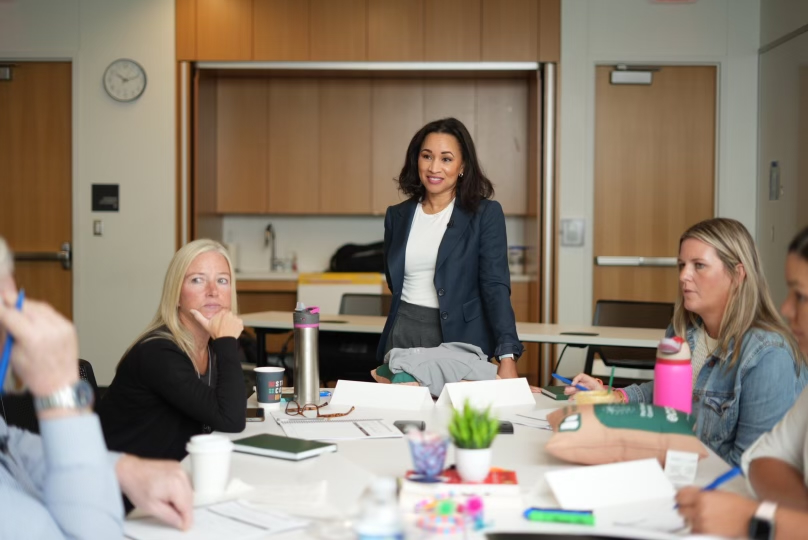
By Kelley Johnson, Tech Founder and Chief Transformation Officer, KEIRUS BY KJE

In recent years, especially post-COVID, the word transformation has become a buzzword across various industries. Personal trainers use this word to describe the physical metamorphosis they’ll help you achieve, and organizations use it to outline how they’ll leverage technology, particularly in the age of AI.

Beyond physical and technological change, transformation takes on new significance in the realm of leadership—specifically, transformational leadership. We often see the term in leadership contexts, but what does it truly mean?

The concept of transformational leadership has been around for quite some time, originally coined by sociologist James V. Downton in 1973. Over the years, the defining qualities of a transformational leader have evolved to become, at their core, leaders who focus on the essential needs of their followers. Today, it’s more relevant than ever. My own journey toward becoming a transformational leader was unplanned, and something I only fully recognized in hindsight. It evolved in ways I never anticipated.

Around 2003, I was working for a global company as the director of corporate communications. That year, we conducted our first large-scale employee engagement survey.

As we analyzed the results, some findings were predictable. Typical areas like pay and benefits ranked in the bottom quartile, representing the lowest-rated aspects of employee satisfaction.

However, there was one surprising item in the Bottom 5 for employee satisfaction: a question about whether employees felt good about the company’s contributions to the community.

This result was unsettling to our executive team because, truthfully, it uncovered something we had not anticipated. At the time, giving back to the community on a company level was not a priority.

Somehow, I was tasked with finding a solution, and at first, I didn’t know where to start.

After revisiting the challenges and data from the engagement survey, I set out to create a strategy that would address our employees’ desire for meaningful community engagement. Here’s how I applied transformational leadership principles to shape a lasting initiative.

Creating an Inclusive and Global Approach

Working in the hospitality industry meant that the majority of our workforce consisted of hourly employees, so I needed a program that would be adaptable and inclusive to a variety of employee profiles. Additionally, the strategy had to work across three languages and the three countries where we operated – the US, Canada, and Mexico. I also knew that our executive team was looking for a solution that was sustainable over time. A one-hit wonder was not good enough.

The Takeaway: Transformational leaders think futuristically, and I kept this in mind as I developed our approach.

That meant I had to go beyond the data from the engagement survey. So, I conducted additional research, analyzing previous community service projects our locations had undertaken independently. I discovered two primary causes where employees were already involved – hunger being the most popular.  Choosing a cause with existing traction helped us build momentum more effectively.

The Takeaway: Transformational leaders use situational awareness to guide impactful decisions.

Building a Scalable Infrastructure

Identifying a multi-country strategy was an obvious requirement; however, I also knew we needed a solution that wouldn’t disrupt business operations or increase overhead expense. I discovered two key resources – the top national food banks in each country and a technology platform capable of supporting our international campaign.

The Takeaway: Transformational leaders use assets strategically, leveraging resources that align with larger goals.

Engaging Employees at All Levels

To connect with employees across diverse roles and backgrounds, I focused on a straightforward message. I knew I had to engage a variety of employee stakeholders in a compelling way—with a level of sensitivity knowing that many of our employees were paid minimum wage. Although this initiative launched years before the iPhone was invented, I knew that the most efficient way to engage employees in three countries was going to require technology. By connecting with the right partners externally, we launched an online giving campaign where the company donated alongside employees. Every $1 donation equated to $15 worth of groceries. I called the campaign, “No Room for Hunger.” This message resonated with frontline team members and corporate employees alike, aligning with the global philanthropic strategy of our parent company at the time.

The Takeaway: Transformational leaders prioritize people and culture, ensuring that initiatives are meaningful and relevant.

Establishing a Lasting Legacy

While the initial motivation to develop a philanthropic strategy was in response to a low rating on an employee engagement survey, applying the dynamics of transformational leadership allowed me to establish a cultural pillar within the organization—one that has survived multiple CEOs and even a new parent company.

Within the first three years, we raised $2.1 million worth of food, and 2024 marks the 20th anniversary of the company’s commitment to community support through hunger relief.

The Takeaway: Transformational leaders can foster lasting impact when aligned with core values.

One of my favorite aspects of transformational leadership is its potential to create a legacy. While I didn’t know it at the time, I was using the five dynamics of transformational leadership as I created the company’s first philanthropy strategy, and this approach has served me many times throughout my career. Other examples of programs I created that lived on after I left an organization include developing a crisis management strategy and creating mentoring programs, DEI initiatives, and women’s leadership programs.

Are you ready to create a lasting impact through transformational leadership? Discover how you can integrate these five leadership dynamics into your organization and build programs and initiatives that resonate, reform, and endure.

At KEIRUS, we teach leaders how to seamlessly integrate the five dynamics of transformational leadership into routine mindsets and behavior cycles so they can expand their capacity to lead themselves, others, and society. Contact us today to learn how we can help you develop leaders who inspire positive results, foster resilience, and leave a legacy.

With a proven track record of empowering leaders and organizations, our experience includes:

  • Supporting organizations across 10 different industries, reaching employees in 10 different countries
  • Designing and facilitating 4,000+ training hours
  • Providing executive coaching and leadership development programs
  • Developing top leaders in North Texas as a facilitator in the Leadership Dallas program for the last 4 years

Ready to upskill your leaders through transformational leadership? Provide your leaders with the tools and training they need to effectively engage their teams and lead change.

By Catie George, Director, Communications & Storytelling

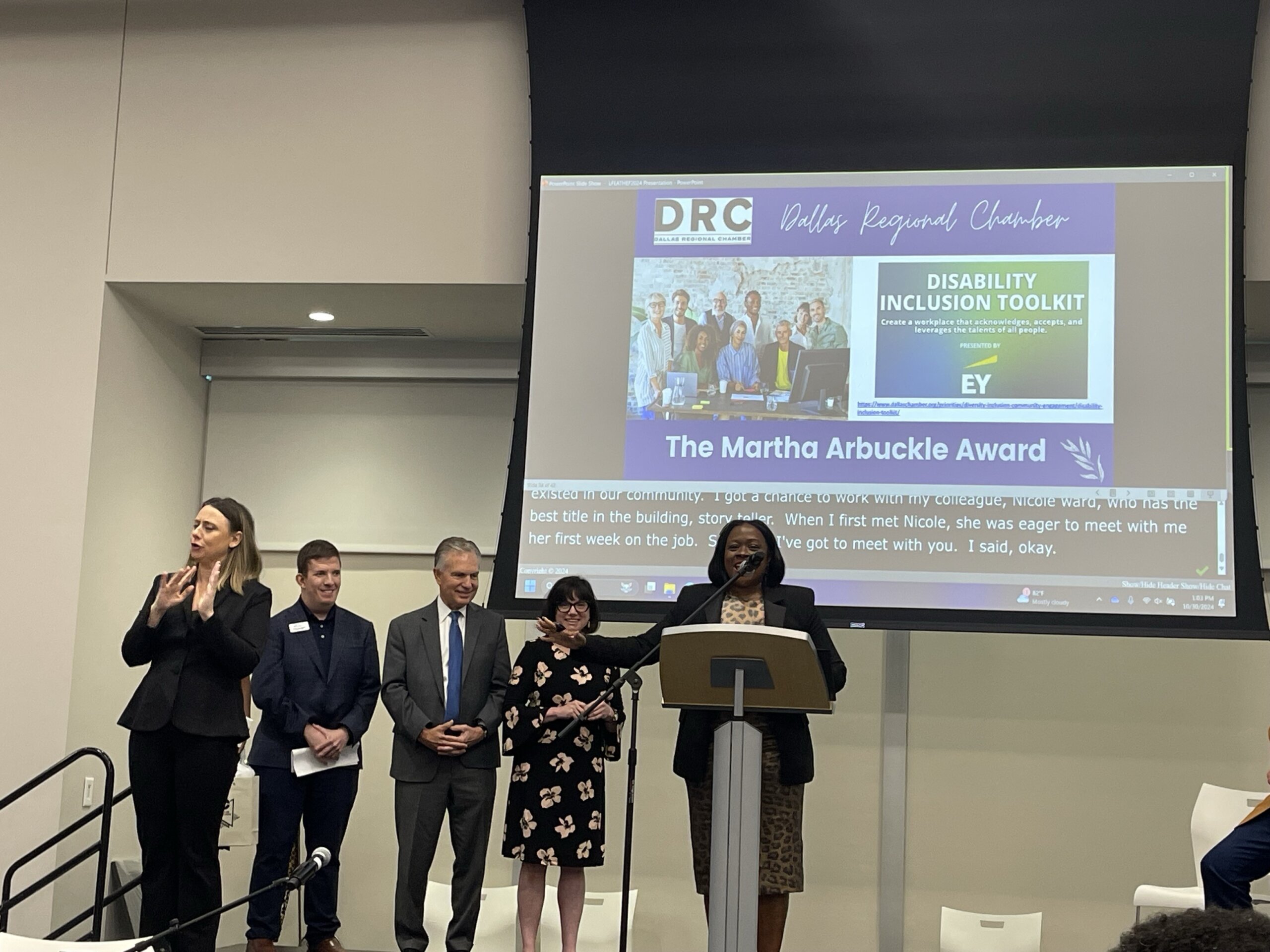
The Dallas Regional Chamber’s Disability Inclusion Toolkit was honored by Gov. Greg Abbott’s Committee on People with Disabilities as the ‘most innovative local organization project’ among the 2024 Lex Frieden Employment Awards.

The awards recognize commitments to hiring and supporting the employment of people with disabilities, a core tenet of the DRC’s Disability Inclusion Toolkit, presented by Ernst & Young LLP. The DRC specifically received the Martha Arbuckle Award, named for a long-time disability advocate.

Senior Vice President of Diversity, Inclusion & Community Engagement Latosha Herron Bruff accepting the Martha Arbuckle Award on behalf of the DRC.

“Texas is a beacon of freedom and opportunity for everyone, including the two million Texans with a disability. Our lives are not defined by how we are challenged, but how we respond to those challenges, and I applaud all the Texas businesses who empower Texans with disabilities,” said Gov. Abbott in the release announcing the award winners. “I congratulate the winners of this year’s Lex Frieden Employment Awards for their work to hire and support Texans with disabilities. Working together, we can create a brighter, more inclusive Texas for all.”

The DRC launched the Disability Inclusion Toolkit in June at its 2024 Inclusion Conference to help companies assess and maximize their inclusion of people with disabilities, including neurodivergence. The toolkit’s data, resources, and best practices are informed by the perspective of experts and people living and working with disabilities.

The one-of-a-kind toolkit was selected for the honor by the governor’s committee on people with disabilities.

“The CDC estimates that more than one in four people in the United States has a disability,” said Nicole Ward, Storyteller at the DRC. Ward’s personal experiences with a traumatic brain injury and following complications helped compel the development of the Disability Inclusion Toolkit. “The disability community is so big, but the people talking about it is so small. And so, our goal with the toolkit is to get this conversation going.”

The Martha Arbuckle Award was presented to the DRC by the Governor’s Committee on People with Disabilities and the Texas Workforce Commission on Wednesday, Oct. 30, at the HireAbility Employer Forum and Lex Frieden Employment Awards luncheon at Dallas College – Cedar Valley Campus.

“This work doesn’t come by happenstance,” said Latosha Herron Bruff, DRC Senior Vice President of Diversity, Inclusion & Community Engagement. “We are an organization that prioritizes diversity and inclusion. This is not just a department; it’s part of what we do. It’s in the DNA of our organization… We could not do this without executive leadership and support. If your leadership doesn’t believe that this matters, this stuff doesn’t happen.”

DRC President and CEO Dale Petroskey echoed Herron Bruff’s comments and added color to the DRC’s commitment.

“When you think about a chamber of commerce, you probably don’t think about them working in diversity and inclusion,” said Petroskey. “But we’re a different kind of chamber. We believe that everyone in our community needs to have equal opportunities for a good education, a good job, and a good life… because that makes us all better, and it gives everyone that chance.”

The DRC’s 2024 Lex Frieden Employment Award.

The process of developing the toolkit was a collaborative one, with the DRC looking to member companies who do this work well—including Ernst & Young LLP, JPMorgan Chase & Co., and Bank of America—and thought leaders in the region to help ensure the toolkit is as helpful as possible.

One such thought leader is the North Texas Disability Chamber, which Herron Bruff recognized for its “partnership and continued advocacy” in her acceptance

“The Dallas Regional Chamber launched its Disability Inclusion Toolkit, a first for a major metropolitan chamber of commerce here in Texas,” said Dylan Rafaty, President & CEO of the North Texas Disability Chamber, as he presented the award. “The effort included partnerships with local service providers, corporations, business leaders, and nonprofits. This toolkit promotes competitive and integrated employment of persons with disabilities while promoting an increased employment pipeline and supporting local and regional organizations.”

“I want to say thank you to the Governor’s committee for this award. Thank you to the North Texas Disability Chamber for your partnership and your continued advocacy,” said Herron Bruff.

To learn more about the work the Diversity, Inclusion & Community Engagement team at the DRC is doing, visit our website.

By Elizabeth Caudill McClain, Senior Vice President, Talent Strategies

Registration for the inaugural cohort of the Dallas Regional Chamber’s Talent Labs is open, launching in January 2025. This brand-new, six-month program is designed specifically for senior talent and HR professionals looking to drive innovative talent and workforce strategies at their company.

Talent Labs program builds on the strategic elevation of ‘Talent’ as a key component of the Education, Talent, and Workforce focus area in the DRC’s 2024-2026 strategic plan and is made possible by investments in the DRC’s Tomorrow Fund and with support from Dallas Thrives. Participants will dive deep into talent concepts such as designing jobs to retain talent, attracting talent through company and regional branding, and upskilling and reskilling.

Why Talent Labs?

With the growing economic energy in our region, talent is critical to future prosperity. The need for talent professionals to come together to design innovative talent strategies is more important than ever. Talent Labs will provide that space.

The DRC is partnering with Jobs for the Future (JFF) as a thought partner to assist in curriculum development, bringing in national data and best practices on the talent lifecycle. JFF will also assist cohort participants who are ready to begin implementing new talent strategies in their organizations through individualized design and implementation of those programs.

Program participants can literally bring their real-life talent opportunities and challenges to the table and workshop solutions and strategies with their peers and experts from the DRC and JFF.

What to expect in the Lab

Talent Labs will dig into pressing topics to refine and elevate your talent management practices. Each hands-on session is focused on critical areas such as:

      • designing a job description to retain talent
      • creating an internal culture to retain talent
      • building a brand to attract talent
      • defining internal pipelines and upskilling programs to develop talent.

Coupled with these sessions, participants will be charged with developing talent action plans to implement within their companies. These action plans can be centered around one of three core talent management objectives: Talent Retention, Talent Attraction, or Talent Development.

Join Talent Labs

Each cohort is limited to 50 participants to ensure impactful discussions and meaningful connections. Here’s the class schedule:

      • 11 a.m. – 5 p.m., Thursday, Jan. 23 – Design a job to retain talent
      • 11 a.m. – 5 p.m., Thursday, Feb. 27 – Create an internal culture to retain talent
      • 11 a.m. – 5 p.m., Thursday, March 27 – Build a brand to attract talent
      • 11 a.m. – 5 p.m., Thursday, April 17 – Define internal pipelines to develop talent
      • 11 a.m. – 5 p.m., Thursday, May 22 – Train your talent for the skills of tomorrow
      • 11 a.m. – 5 p.m., Thursday, June 26 – Program Conclusion and Wrap-Up

To learn more and register for the program, please contact talent@dallaschamber.org. Submissions to join the inaugural cohort are due Friday, Jan. 17.

By Makayla Rosales, Coordinator, Diversity, Inclusion & Community Engagement 

Native American Heritage Month is an annual celebration honoring the traditions and cultures of Native Americans, Alaska Natives, and Native Hawaiians. It originated as “American Indian Day” in 1916, but November was officially designated as Native American Heritage Month in 1990 under President George H.W. Bush.

In 2019, Dallas joined cities like Austin and San Antonio in recognizing Indigenous People’s Day, part of a movement to replace Columbus Day and emphasize Indigenous history and contributions. This shift encourages reconciliation and education within Texas communities.

Three federally recognized tribes—the Alabama-Coushatta, Tigua, and Kickapoo—have reservations in Texas. North Texas was historically home to tribes such as the Caddo, Comanche, Kiowa, Tawakoni, and Wichita, reflecting a rich Indigenous heritage across the region.

Engage in the Workplace

Companies can share information about the native North Texas tribes with their employees during or before meetings. They can also display information about tribes and Native American Heritage Month within their offices.

Another way to educate yourself about Native American heritage is by reading fictional or non-fictional novels authored by Native American authors. Looking at your local library, finding online recommendations, or finding local recommendations by Indigenous-owned bookstores could be a wonderful way to start.

Additionally, whether you are interested in volunteering or attending a local in-person event, there are many ways to learn more about Native American Heritage while celebrating within your community in the Dallas Region.

Attend an event

If you are interested in bringing your team, friends, or family to local festivities celebrating Native American Heritage Month, here are some local events.

6 p.m.-8 p.m., Friday, November 8, at Texas Native Health

The Inter-Tribal Council of AT&T Employees will hold a pageant that will test young women contestants on culture, cultural talent, and inter-tribal dance, among other topics. The winning categories are Miss Photogenic, Miss Congeniality, and an essay winner.

10 a.m.-6 p.m., Saturday, November 9, at AT&T Discovery District

The Inter-Tribal Council of AT&T Employees will be hosting their fourth annual powwow. Additionally, a dance competition and Native American vendors and artists will be part of the day’s festivities.

11:30 a.m.-1 p.m., Thursday, Nov. 14, at Dallas College in the El Centro Campus

Community organizer and multidisciplinary artist Emi Aguilar will discuss the importance of digital storytelling and how it relates to her personal history of her Coahuiltecan roots in and around Texas’ Rio Grande Valley.

Other November holidays to celebrate

November brings holidays that honor memories, gratitude, and community. Veterans Day on November 11 recognizes the sacrifices of our military. Diwali celebrates light over darkness, hope, and togetherness in the Hindu culture. Día de los Muertos (November 1-2) is celebrated in Latino culture and honors loved ones who have passed, and Thanksgiving on November 28 invites reflection on our blessings. These observances highlight the importance of cherishing relationships and shared humanity.

By Catie George, Director, Communications & Storytelling

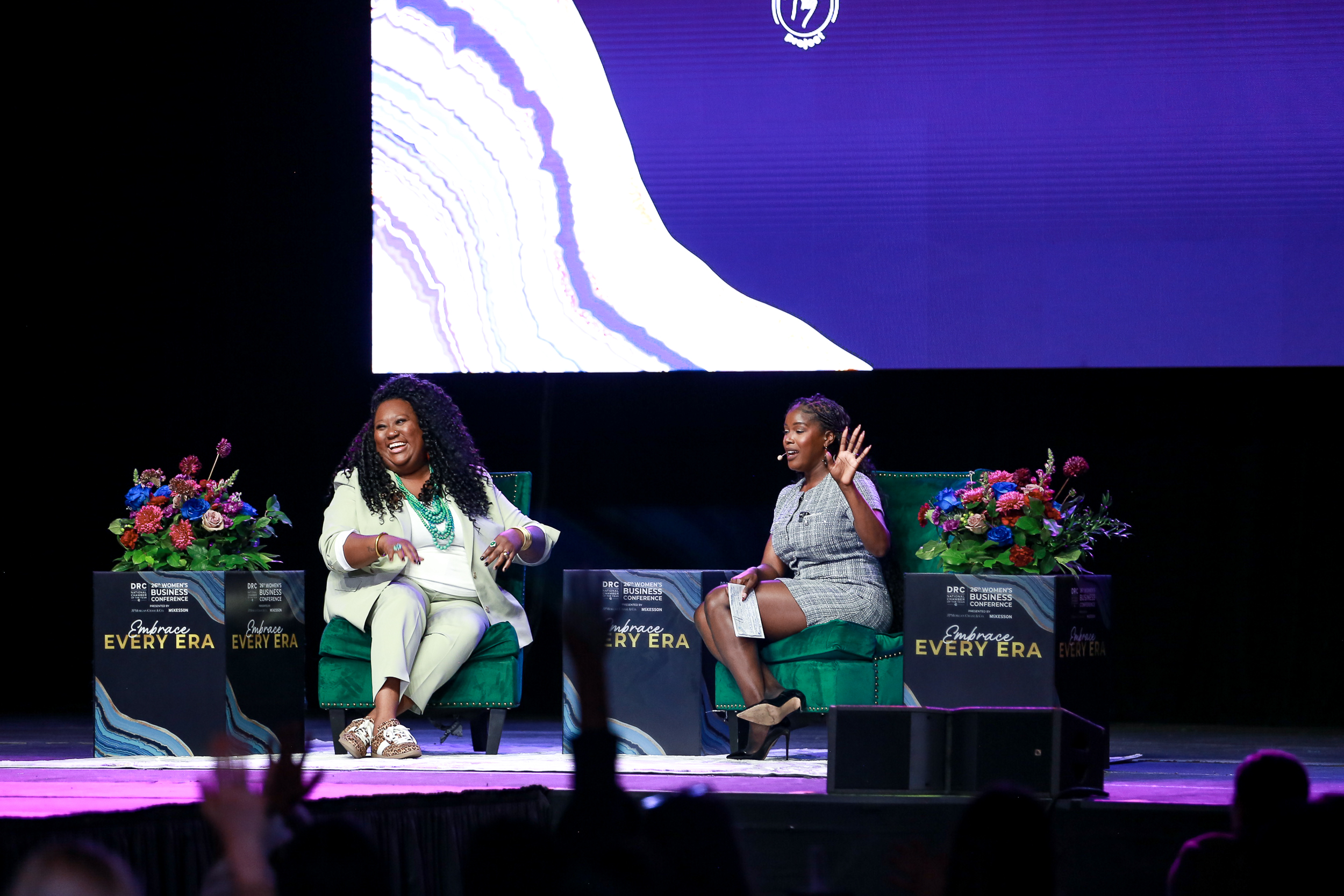
Aminta Price and Neena Newberry in conversation.

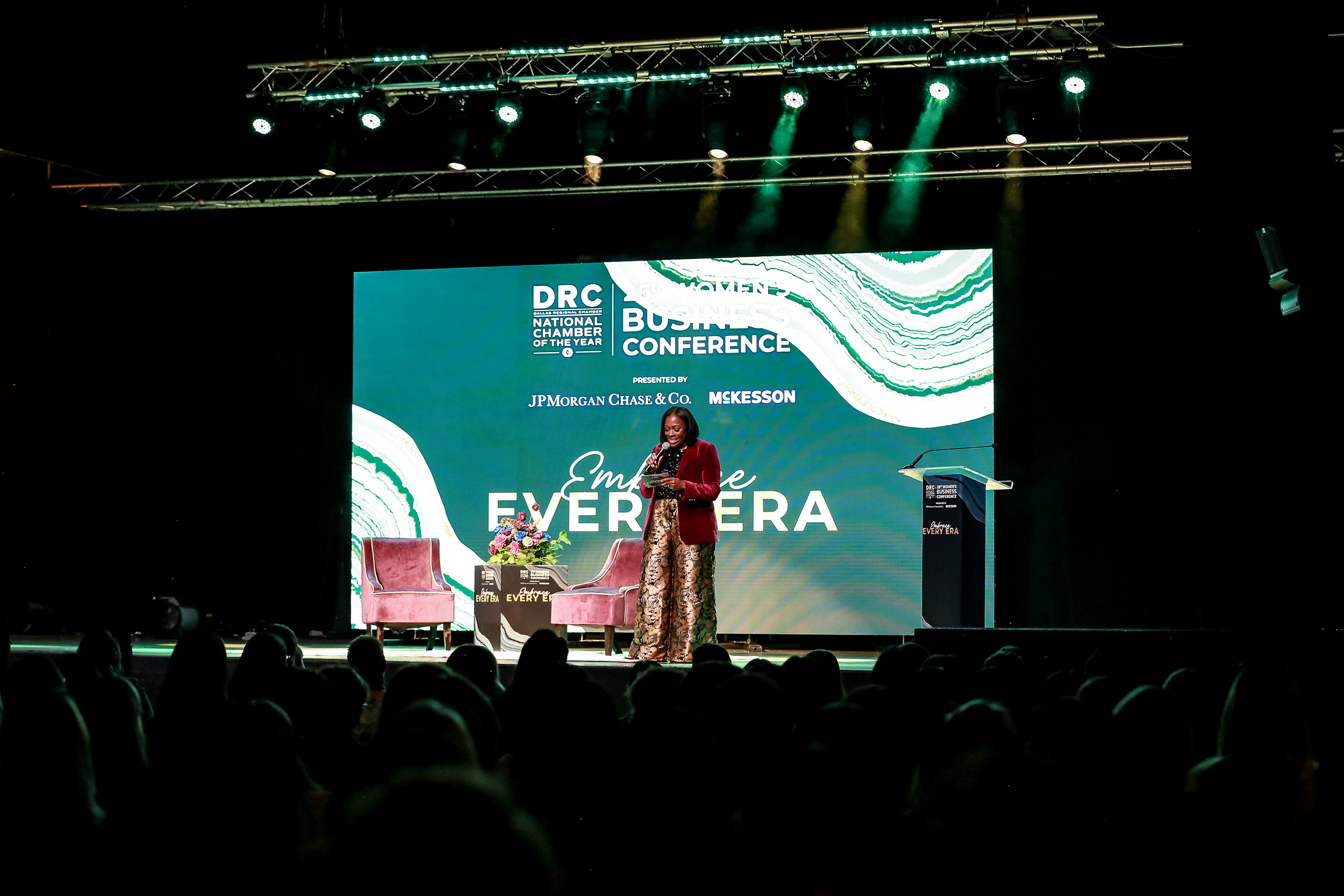
Hundreds of professional women from the Dallas Region celebrated the journey of women in business through every stage of their careers and lives at the Dallas Regional Chamber’s (DRC) 26th Women’s Business Conference (WBC) Thursday, Oct. 24, at Gilley’s Dallas.

The half-day conference, presented by JPMorgan Chase & Co. and McKesson, encouraged attendees to “Embrace Every Era” through three engaging keynote sessions, two special guest speakers, a vibrant marketplace of 18 women-owned businesses presented by Frost, three hands-on activations, and two Table Talks sessions powered by BGSF.

Read on for highlights from the action-packed event.

Celebrating the power of diverse perspectives

A keynote conversation featuring Aminta Price, PepsiCo’s Vice President for Costco Global, and moderated by Neena Newberry, CEO of Newberry Solutions, set the tone for the day. Price emphasized the value of diverse voices, especially those of women of color, in the workplace, and she spoke to the unique strength women bring to leadership.

“We bring a diversity of thought,” Price shared. “I learned early on that [when] you bring a different perspective to the table, you inspire others to do the same, and it allows us to have a much better outcome.”

Embracing risk and growth

Sonal Shah and Sarah Jackson fist bump after their conversation.

In a second keynote conversation, Sonal Shah, CEO of The Texas Tribune, encouraged women to face challenges boldly and trust their ability to thrive in new opportunities.

“Take risks and don’t always worry about being able to know everything that’s going to happen at the other end,” Shah told the packed house through her conversation with her friend Sarah Jackson, Central Division Government Relations Director for HNTB Corporation. “You will work hard, and you will figure it out. I don’t think we give ourselves enough credit. We always figure it out.”

Embracing growth can sometimes mean appreciating the end of something, said Cynt Marshall, CEO of the Dallas Mavericks and 2024 DRC Board Chair, in a TED Talk-style special guest appearance and reflection on her recently announced plan to retire from the helm of the Mavs.

“I am truly appreciating the ending of this era, but I’m starting the era cycle all over,” Marshall said. “Expect the changing of [your] era. Things will change. You won’t be in your 20s forever.”

Owning our strength in every era

Though not every era seems a positive one on its face, Bree Iman Clarke, Founder and Creative Grower of The Plant Project, reminded attendees their power persists in times of adversity in the third and final keynote of the day moderated by Tashara Parker, Founder of Loud Women Lead.

Bree Iman Clarke and Tashara Parker discuss perseverance through difficult eras.

From the WBC stage, Iman Clarke shared her personal journey through challenges including jail time and homelessness, and how those experiences shaped her mission to support and uplift others.

“I feel like [women] forget our tenacity, we forget our resilience. We see it on TV, we see it on Instagram, we see it on Facebook, but sometimes we don’t see it in ourselves,” Iman Clarke said. “I wish women could really see the strength they have, the power that’s within them—the power [to create] a space that’s not only safe for you but your coworkers, your friends, your sister, your parents.”

Embracing the work still to be done

The celebrations at WBC were parlayed into calls to action for audience members to continue work to narrow opportunity gaps women and other under-championed groups still face despite progress in diversity and inclusion.

Latosha Herron Bruff, DRC’s Senior Vice President of Diversity, Inclusion, and Community Engagement and the event’s emcee, shared compelling statistics from the Texas Women’s Foundation. For instance, over the past 10 years, 101 million women have joined the Texas workforce. Even still, women represent only 28% of executive roles in Texas.

Tosha Herron Bruff shares statistics from the Texas Women’s Foundation.

“We need to use our voice, our empathy, our influence, our power, our expertise to provide opportunities for women,” said Herron Bruff. “We can’t hand this off to anybody but us. One of the ways you can do that is by supporting women, advocating for women, championing women, and helping our women small business owners. We need your help.”

DRC President and CEO Dale Petroskey shared Herron Bruff’s charge—but aimed it at the men of the business community.

“The growth and rise of women in the workforce doesn’t happen without the genuine support of men,” said Petroskey. “Women have fought for decades for their place in the workforce and society. But it shouldn’t have to be a fight. Men should be able to bring it to the table and then invite them to have a seat alongside them. And I’m glad to see some men have joined us today to learn from the women around us, how they’re inspired, and how they’re challenged.”

Annette Addo-Yobo, the reigning Miss Texas and former DRC employee, zeroed in on asking attendees to champion women and others in the workforce with disabilities, a population that faces an unemployment rate two times that of people without disabilities.

Annette Addo-Yobo discusses disability inclusion in the workplace.

“There is a group of women who are not only underrepresented in our workplace, but also under championed and underserved,” said Addo-Yobo. “I encourage you today to think about ways that you can be more inclusive in your workspace for individuals with disabilities, whether they’re women or men, but to also think about ways that you can be an ally.”

Honoring excellent women

As part of the WBC program, two exceptional women were recognized for their efforts to contribute to their communities and develop women leaders.

Raquel Alvarenga, Partner and Chair of the Labor and Employment Practice Group at Haynes and Boone, was presented with the YPL ATHENA® Award, presented by KPMG. Merrilee Kick, Founder and CEO of BuzzBallz/Southern Champion, received the ATHENA® Award, presented by Wells Fargo.

Completing the WBC experience

Throughout the day at Table Talks powered by BGSF, attendees built peer connections and engaged in compelling conversations designed to help them embrace their current era while planning for their next one. Topics spanned change and innovation, mentorship and career development, financial empowerment, and technology and the future of work.

Between keynote sessions and during the happy hour presented by Fifth Third Bank, attendees explored the missions and products showcased in the community marketplace presented by Frost. Explore the 18 women-owned businesses of the Frost Marketplace here. And for the first time ever, WBC boasted three hands-on activations for attendees to explore.

Did you miss out on WBC? Check out other upcoming DRC events to stay in the know for 2025.

THANK YOU TO OUR SPONSORS

PRESENTING SPONSORS


ATHENA® AWARD SPONSOR

YPL ATHENA® AWARD SPONSOR


SPEAKER SPONSOR

TABLE TALKS SPONSOR


MARKETPLACE PRESENTED BY

LOUNGE SPONSOR

HAPPY HOUR SPONSOR

POWER SPONSOR

SILVER SPONSORS

American National Bank of Texas | Bank of America | Carrington Coleman | DHD Films

Forvis Mazars | OCC | Samsung | Southwest Airlines

If you have a question about one of our sponsorship packages, please contact sponsorship@dallaschamber.org for more information.

FLORAL SPONSOR

As of 10/1/2024

By Catie George, Director, Communications & Storytelling

One week after the Dallas Regional Chamber’s (DRC) annual State of Public Education event, Dr. Stephanie Elizalde, Superintendent of the Dallas Independent School District (DISD), joined the DRC to discuss local education challenges and opportunities at the Q3 Tomorrow Fund Investor Breakfast, presented by Santander and McCownGordon Construction, Wednesday, Sept. 25. Read the takeaways below.

The importance of partnerships and community support

Dr. Elizalde emphasized that students are also future employees, and the business community has a vested interest in their education.

“We educate 140,000 future employees that we want to serve and work with you. It’s more than just 140,000 students,” said Dr. Elizalde. “It’s 140,000 employees and their families because some of their families can become part of your companies, too.”

To prepare the next generation of the workforce properly, schools need support from the business community.

“This work is very hard, and we cannot do it without help. And we would be foolish to think that this is something we could do by ourselves,” said Dr. Elizalde. “Your input into aligning curriculum has played an enormous role in us being able to expand our internships and placement of kiddos who now become your workforce.”

Schools need high-quality instructional materials

Children in schools need exposure to a range of high-rigor materials across subject areas to excel in standardized testing. For instance, if a child has never heard of cricket but is tested on a reading passage about a cricket game, their scores will be negatively impacted regardless of their reading skill.

“We have selected a curriculum that allows our kids to be exposed to more and more while we’re teaching,” Dr. Elizalde said, to help students bridge exposure and opportunity gaps. “Those are the things that help us with the assessment. That said, in the first year, you always get an implementation dip because everyone’s learning the curriculum. I’m sure it’s true in most industries: if you put out a new technique or a new process, does it work right away, or does it take some time? This year, I feel very confident we’re going to see some huge increases in reading and math.”

While this implementation dip was expected, Dr. Elizalde clarified that students are still on the right track, even if they still have room to grow.

“I can’t ask people to support something and not share where we are. We cannot be afraid of telling folks where we’re stumbling. Otherwise, how do we ask for help?” said Dr. Elizalde. “Are we on the right track? Absolutely. Do we need help? Absolutely.”

Dallas ISD students are positioned to succeed

Dr. Elizalde concluded the discussion by sharing encouraging progress.

“We have never been positioned in a better spot than we are now. The future is absolutely bright with everyone’s help. And the indication is that for the first time in 10 years, we have had an increase in enrollment in Dallas ISD schools,” she said.

Students are also being positioned for post-graduation success with credentialing.

“We still produce more students in the country with a completed associate’s degree,” said Dr. Elizalde. “Almost 5,000 students in the last five years can go straight into a four-year university and only have to do two more years or go into the workforce.”

Awards

Also at the Q3 Tomorrow Fund Investor Breakfast, three companies and one organization were recognized with the Building Tomorrow Together Award. This award is for companies or organizations that have a positive impact on our region.

“We appreciate the decision made by each of your companies to locate and grow in our region,” said DRC Senior Vice President of Economic Development Mike Rosa. “We’ll work hard to fulfill the promise that DFW will continue to be a great place for you and your teams as you build here, and we’ll certainly be ready to support future expansions and additional steps.”

The Building Tomorrow Together Award Recipients were Verily, SteriTek, Foot Locker, and For Oak Cliff.

To learn how to become a Tomorrow Fund investor, email memberinfo@dallaschamber.org.

By Catie George, Director, Communications & Storytelling

In June, the Dallas Regional Chamber (DRC) hosted a roundtable discussion featuring Ellen McClain, CEO and President of the workforce development organization Year Up, which recently rebranded as Year Up United to better reflect its comprehensive suite of offerings for employers and young adults. DRC President & CEO Dale Petroskey spoke with McClain about her recent appointment as President and CEO, Year Up United’s mission, and how companies can get involved.

The conversation focused on the growing skills-first talent practices movement, where employers prioritize skills over degrees. In large cities like Dallas, where over 50% of residents ages 25-34 do not have a college degree, this practice is imperative to increase access to the skilled talent that drives innovation and growth.

Below are key takeaways from the discussion.

Leading the Way in the Skills-First Movement: About Year Up United

Since its founding 24 years ago, Year Up United has equipped historically overlooked talent with essential skills and helped employers operationalize skills-first talent practices.

“When we assess whether someone’s a fit for our Career Pathways training, what we’re really testing for is, ‘Can you get across whatever your barriers are?’” said McClain. “The measure of someone’s talent is not a function of the obstacles they face.”

What sets Year Up United apart is its commitment to young adults and the effectiveness of its program as measured by a federally-funded, randomized controlled trial, which showed participants continue to earn 30% more than the control group six years post-program.

Because its approach is demand-driven and market-focused, Year Up United’s primary metric of success is how many of its participants secure family-sustaining careers — holding themselves to a standard of training for relevant disciplines that corporations find valuable.

Though best known for its training program, Year Up United also works within corporations to smooth the path for skills-first talent practices.

“Year Up United is so important to what we do for the under-championed young adults in our area to be able to get work experience and the right orientation into the work world so they can be sticky because that’s a big piece of this,” said Petroskey. “Year Up United provides a very important service to our community, young adults, and employers.”

Building on a Foundation of Strength: Year Up United in Dallas

In Dallas, Year Up United serves young adults at Dallas College and through centralized, virtual programs that allow for consistent quality delivery to companies with a national presence. Both programs include a work-based experience at a company and use a skills-first, foundational education model that focuses on enabling entry and succession across various career pathways and roles.

Year Up United has served more than 1,550 young adults (ages 18-29) in the Dallas-Fort Worth area and over 45,000 young adults nationwide.

Last year, Year Up United began offering services to enable high school students to build the professional skills necessary to launch their careers. Participating schools have the choice of offering students either a two-week boot camp or a semester course through Year Up United’s partnership with Tarrant County’s To & Through Partnership. They’re now looking to expand this offering to high schools in Dallas County.

How Year Up United’s Practice Comes to Life Within Corporate America

Year Up United is always looking to connect with companies seeking to source talent.

One corporation partnering with Year Up United to source talent across various roles and locations is Bank of America.

“We’re all trying to find Hispanic and Latino talent. It’s the one area we all struggle in. [Year Up United is] producing the best talent there is in that demographic,” said Jennifer Chandler, Head of Philanthropic Solutions and Market President at Bank of America. “The skill training is very real. We reskilled 34,000 [workers] last year at [Bank of America]. Jobs just change too fast, so mortgages stop being in demand because of rates, and we have to shift into cybersecurity.”

Chandler also challenged meeting attendees to hire a Year Up United graduate or host a Year Up United intern to help Dallas Thrives reach its goal of doubling the number of young adults earning a living wage by 2040.

“Achieving this mission means rethinking what pathways to success look like, for employers as well as young people and their families,” said McClain. “For many young people, securing a well-paying job and then attending college part-time makes more sense than going directly to college after high school. And for employers, hiring talent with the right skills — even if they don’t have a college degree — has been shown to increase retention and engagement.”

Companies that don’t hire entry-level can talk to Year Up United’s subsidiary, YUPRO Placement, which was designed to support graduates for their second, third, or fourth jobs.

To learn more about Year Up United and how to get your company involved, visit their website.

To learn more about the work the DRC is doing in Education, Talent, and Workforce, visit our website.

By Catie George, Director, Communications & Storytelling

The Dallas Regional Chamber (DRC) and the Dallas Independent School District (DISD) hosted the 24th annual Principal for a Day (PFAD), presented by Capital One, on Thursday, Oct. 3, across DISD schools.

PFAD matches business and community leaders with an elementary, middle, or high school in DISD based on the participant’s areas of expertise, interests, and the school’s need. The participant gets to experience a day-in-the-life as principal in a local school.

Laura Barnett at Career Institute North.

Laura Barnett, Vice President of External Affairs at Axxess, had her first-ever PFAD experience at Career Institute North, which provides students access to training and career programs not available at their home campuses.

“It was fascinating to come in and see every option that is available,” said Barnett. “There are so many different pathways… and when you add in technology, there are jobs that we haven’t even discovered yet. And so, being in these types of environments where [students] can learn these skills, [they] are well prepared and well suited for roles that don’t even exist yet. When you have that solid foundation from a place like Career Institute North, you can go anywhere and do anything.”

Axxess, PFAD’s 2024 corporate sponsor, has been a longtime partner of the DRC and supports education efforts in their community.

“Axxess sits at the intersection of healthcare and technology, and there’s both healthcare and technology pathways right here at [Career Institute North]. Because of Principal for a Day, we’re able to better understand the needs of the educational system and how we can help to meet and address those needs in order to ensure that our future talent pipeline is up to par and able to come in and hit the ground running from day one.”

A longtime PFAD participant, Dallas College Chancellor Dr. Justin Lonon, spent his day at Thomas Jefferson High School (TJ).

“We have a longstanding relationship with Thomas Jefferson,” Chancellor Lonon said, explaining that Thomas Jefferson High School is a Pathways in Technology and Early College Programs (P-TECH) campus. P-TECH offers students the chance to earn a high school diploma, up to 60 hours of college credit, an associate degree, and hands-on career experience by the time they graduate high school.

“We have 30,000 dual credit students that are part of Dallas College,” said Chancellor Lonon. “It’s a multi-million-dollar investment that we make every year into the future of these students. We want to smooth out that transition from high school to college. We want to ensure that students know they can go to college. They are college material. And so, for so many of these students here at TJ that are part of P-TECH, these are amazingly gifted, talented students that are focused, committed, and are doing high-level, college-level work.  It is nice to be here on the ground and interact with them.”

At the PFAD After-School Reception, presented by Amazon, participants reflected on their days spent in DISD schools.

“Having people engaged in the community serves a lot of different functions. To get all of us outside of our norm, outside of our day-to-day, to better understand what’s going on in the education environment, is helpful to our business leaders and to our schools,” said Chancellor Lonon. “Education is the bridge to economic mobility and prosperity. The great thing about Principal for a Day is bringing that together, bringing those connections together, so it provides a better opportunity for support from business leaders in the community.”

Dr. Stephanie Elizalde speaking during the Amazon After-School Reception.

DISD Superintendent Dr. Stephanie Elizalde spoke to the leaders in the room and asked them to keep the momentum going.

“I ask you to please stay engaged because we need you. We need your experience. We need your wisdom, and we need you to help us,” said Dr. Elizalde. “That is what this is always about. It’s about our students and improving our processes. So, we ask you to volunteer in any way that you can—read to our students, help the school with beautification, participate in a career day, and continue to please lend your treasure.”

The Dallas Education Foundation launched the inaugural “Campus Support Month” Campaign, inviting business and community leaders to support DISD campuses with philanthropic donations. During the month of October, donors may designate a specific campus to direct their donation or support a high-need campus. To learn more, visit their website.


A special thank you to PFAD presenting sponsor Capital One, After-School Reception sponsor Amazon, and corporate sponsors Axxess and Dallas College. Thank you to the DISD for their continued partnership.

If you would like to remain engaged with the Dallas Independent School District, please review our Menu of Engagement Opportunities.

To learn more about Principal for a Day, please visit our website.

By Catie George, Director, Communications & Storytelling

Gary Sanchez

The lesbian, gay, bisexual, transgender, and queer (LGBTQ+) community has a proud and storied history. To celebrate LGBTQ+ History Month, Visit Dallas’ Gary Sanchez, Senior Director of Community Impact, Equity & Public Affairs, shared with the Dallas Regional Chamber (DRC) the importance of the holiday, representation in the workforce, and how Dallas promotes community.

“At Visit Dallas, we are charged with promoting Dallas for meetings, conventions, festivals, competitions, sporting events of all sizes, and leisure travel. Because Dallas is home to one of the largest LGBTQ+ communities in the nation, we also promote Dallas as a truly welcoming and inclusive destination,” said Sanchez, who is also the Immediate Past Chair of the North Texas LGBTQ Chamber of Commerce. “At Visit Dallas, we embrace and celebrate diversity, equity, and inclusion, and it shows in the diversity of our team, as well as the quality work we produce to promote Dallas regionally, nationally, and internationally.”

Sanchez emphasized that creating a culture of inclusivity and belonging is only possible with the commitment of leadership—whether it be the leadership of a company, city, or region.

“Now more than ever, we need allies to support LGBTQ+ individuals and causes,” said Sanchez. “Business organizations can play a pivotal role here by promoting visibility and understanding of LGBTQ+ issues by implementing a range of strategies and initiatives, such as the adoption of inclusive policies, the tracking and reporting of diversity metrics (including LGBTQ representation at various levels of the organization), and conducting external engagement and advocacy.”

Specifically, the role of corporations and organizations cannot be understated in this work.

“Businesses can continue to develop and implement more inclusive workplace policies, such as comprehensive non-discrimination policies and equitable benefits for LGBTQ+ employees,” said Sanchez. “Companies that embrace and authentically support LGBTQ+ rights will not only contribute to social progress, but also benefit from stronger brand loyalty, enhanced employee satisfaction, and better overall performance.”

While there is still progress to be made, Sanchez is optimistic about the future.

“I’m hoping to see companies extend their commitment to LGBTQ+ rights through their supply chains and partnerships,” he said, but “it’s been a delight to see more LGBTQ+ employee resource groups (ERG) formed in businesses of all sizes. Having an ERG is a great way for staff to share ideas on how to implement educational and developmental training sessions and celebrations.”

His advice to everyone pursuing this work is to listen, be kind, and be empathetic.

To learn more about the Diversity, Inclusion & Community Engagement work the DRC is doing, visit our website.