Human trafficking is often described as a hidden crime. People forced or coerced into commercial sex work may be the most obvious victims, but human trafficking can incorporate forced labor of all kinds, debt bondage – even forced marriage.

The U.S. Department of State estimates more than 27 million people are trafficked worldwide at any given time. Trafficking does leave a trail, but it can be spotty because information about it comes from many sources, not all of them reliable. 

A team at SMU is working to make that trail easier to follow, developing a federally funded data warehouse to centralize and share data collection to aid in both prosecution of criminals and victim support. A uniquecomponent of this project includes the development of a video game called “Dark Shadows” to help researchers extract and “clean” relevant human trafficking information from U.S. Department of Justice press releases for entry into the database.   

The goal is to give researchers, law enforcement, and others devoted to anti-trafficking a single, secure place where they can store data, analyze trends in forced labor and sex trafficking, and collaborate with other anti-trafficking experts.  

“Human trafficking data exists, but datasets are often siloed by individuals and organizations, which decreases the useability of the data,” said Beth Wheaton-Páramo, the economist leading the SMU human trafficking research team. “Many of these datasets are based on case studies, meaning they describe a very specific geographic or socioeconomic area of human trafficking that may not provide a full picture of what is happening across the nation.” 

With the help of SMU’s high-performance computing capabilities, law enforcement and others devoted to anti-trafficking work will be able to utilize the datasets housed in the data warehouse to analyze trends in forced labor and sex trafficking much faster than the months it would take for a single investigator to acquire the information from press releases, case studies and other sources. Data warehouse users will have credentialed access to a secure online dashboard to identify trends in human trafficking across datasets in a way that was previously impossible. 

Wheaton-Páramo notes that SMU offers the advantage of neutrality in sharing the data, breaking down the potential for rivalry that can interfere with information sharing. 

Initial funding for the data warehouse is coming from a $1.187 million grant from the U.S. Department of Justice’s National Institute of Justice intended to improve the functionality of the criminal justice system, prevent or combat juvenile delinquency, and assist victims of crime. The project includes a study of the relationship between economics and human trafficking – both for victims and perpetrators – and the projected cost of failing to address this type of crime. . Wheaton-Páramo, author of 2019’s The Economics of Human Rights, is working with Raanju Sundararajan, SMU assistant professor in statistics, for the cost analysis and an examination of spatial and temporal patterns in human trafficking data. 

VIDEO GAMERS WILL BE PART OF THE RESEARCH TEAM 
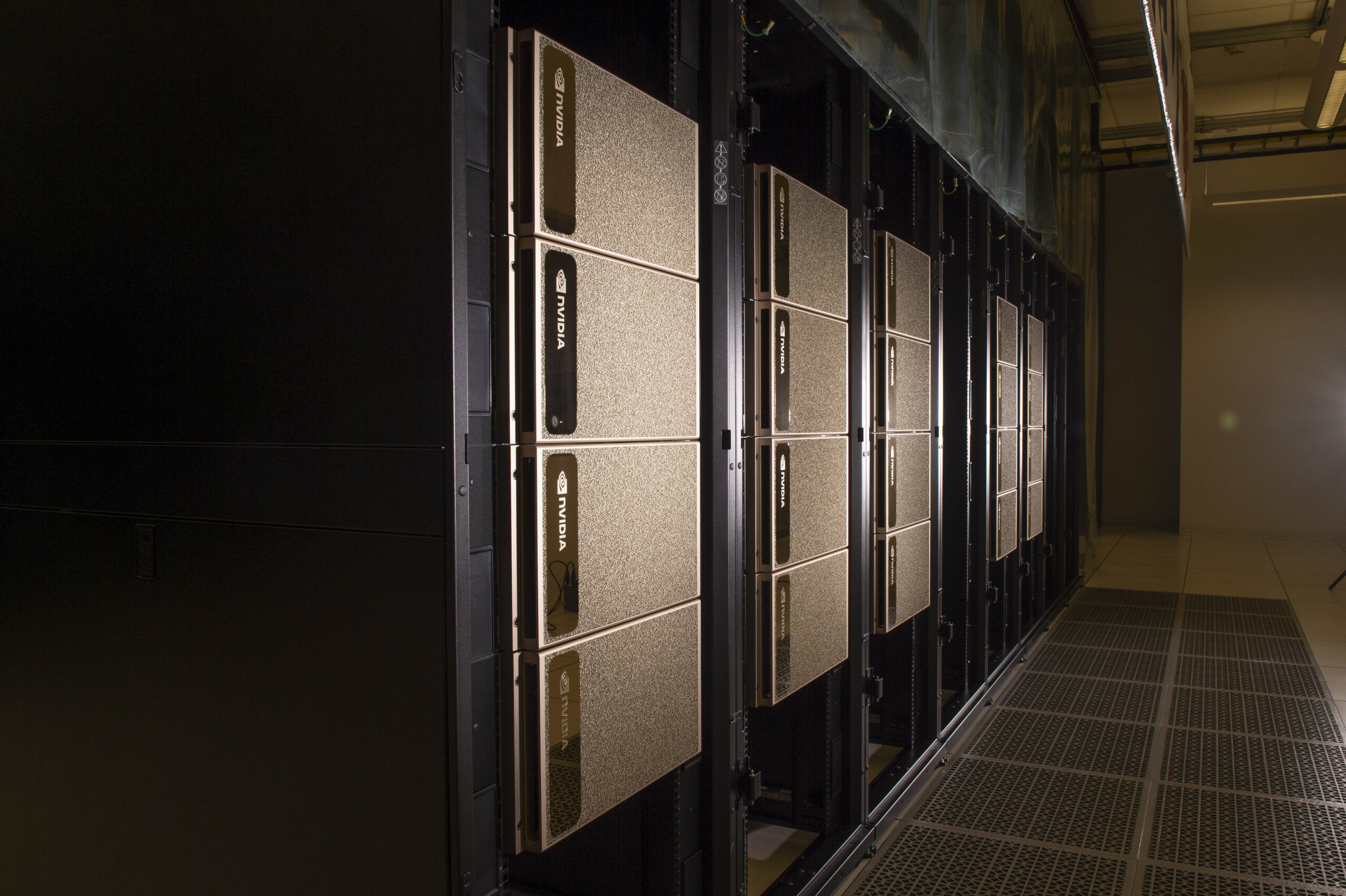
SMU Guildhall, the university’s graduate program for video game design, has a major role to play in ensuring that accurate, useful data gleaned from Department of Justice press releases – such as perpetrators’ names and crime locations – is shared through the warehouse.   

Existing artificial intelligence models can make mistakes. For instance, an algorithm scanning a DOJ press release might incorrectly label a victim named “Madison” as the name of the city where a crime occurred.  

Computer scientist Corey Clark, who is Guildhall’s deputy director for research, and SMU postdoctoral researcher Steph Buongiorno are creating a video game called “Dark Shadows,” based off the popular game “Fallen Shadows.” In “Dark Shadows,” each player acts as an investigator of an imaginary crime and, in finding clues, will organize actual human trafficking data by proxy.  

As they play the game, video players will teach the AI driving the program to make fewer mistakes, as well as how the algorithm can make connections between different press releases for possible leads in an investigation. This method is known as “human-in-the-loop AI.” 

Video gamers will not be given any information that would allow them to find a human trafficking victim or perpetrator. And Clark stressed that the game doesn’t give players or a computer program the ability to direct an actual investigation. The game is a tool – not a replacement for law enforcement. 

Clark has also used video games to enhance data-driven research to speed up the discovery of new cancer-fighting drugs, along with other applications. 

DFW HIGHER EDUCATION REVIEW

EXPLORE THE #1 REGION IN TEXAS FOR HIGHER EDUCATION

This story is published as part of the Dallas-Fort Worth Higher Education Review, published by the Dallas Regional Chamber to showcase how DFW’s colleges and universities are fueling excellence in our region and behind through unique data and stories covering a range of topics.

Texas Instruments Biomedical Engineering and Sciences Building will be used to train needed workers and enhance the state’s biotech industry   

UT Southwestern Medical Center and The University of Texas at Dallas jointly celebrated the opening of the Texas Instruments Biomedical Engineering and Sciences Building, designed to accelerate training and foster medical innovations to improve patient care. 

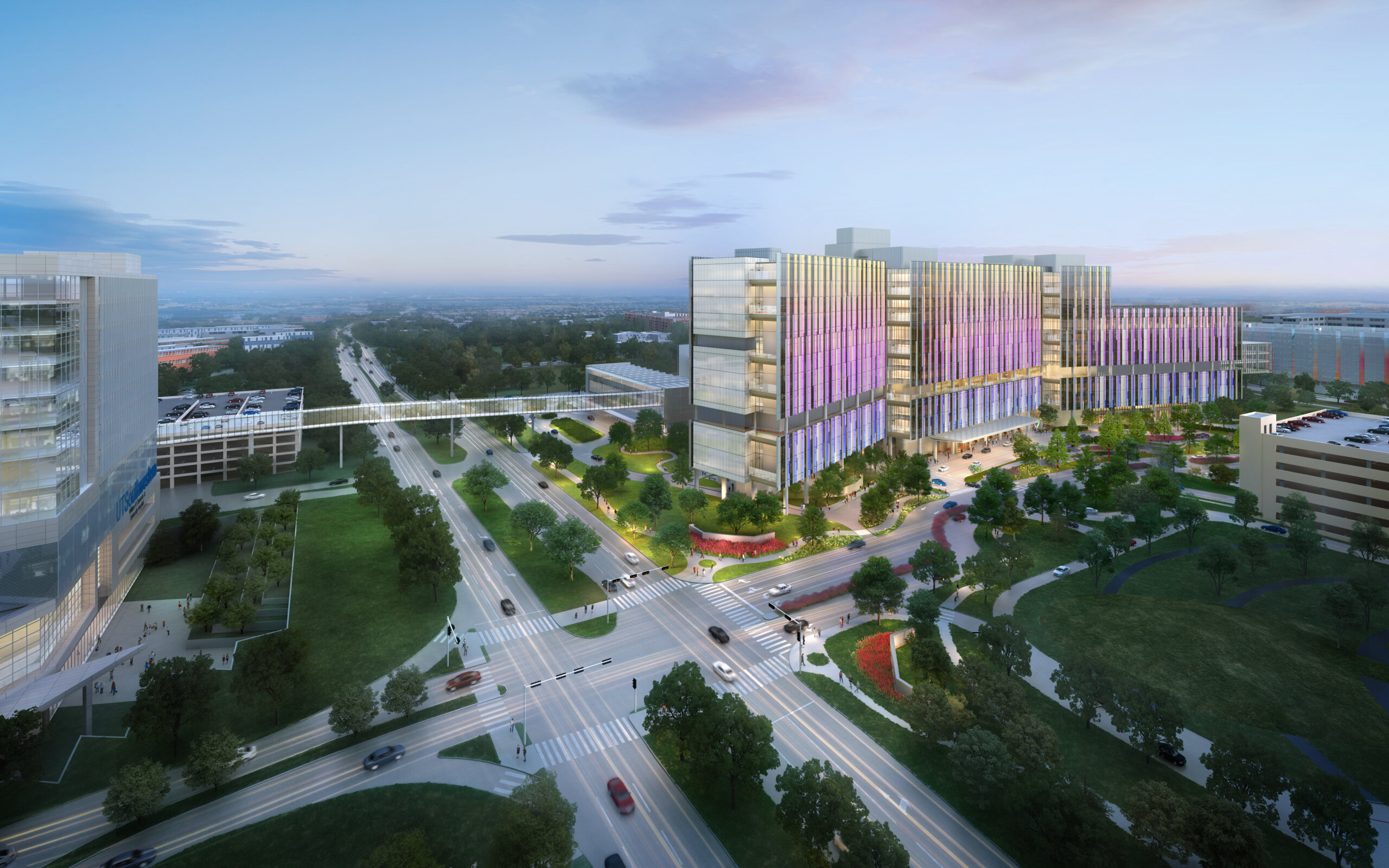
The $120 million, five-story, 150,000-square-foot building, located on the UT Southwestern campus, was made possible by a transformative gift from Texas Instruments (TI) and support from other donors, as well as investment from the Permanent University Fund of The University of Texas System. The facility supports the work of dozens of faculty from both institutions and their teams with wet and dry laboratory space, areas designated to promote multidisciplinary interactions, and a Biodesign Center featuring a large assembly/design studio, a metal fabrication shop, and rooms for 3D printing. A dedication ceremony was held in October 2023. 

“The new Texas Instruments Biomedical Engineering and Sciences Building will advance the UT System, the Metroplex, and Texas as a hub for biomedical innovation, supporting the integration of world-class engineering and health sciences to advance collaboration among physicians, engineers, students, and researchers to improve health care for Texas and beyond,” said James B. Milliken, Chancellor of The University of Texas System.  

“As the momentum of biomedical innovation has continued to accelerate across Texas and especially the Dallas-Fort Worth region, the need for facilities that can foster underlying research to produce solutions for unmet medical needs and train the next generation of innovators is critical,” said Daniel K. Podolsky, M.D., President of UT Southwestern. “Thanks to support from Texas Instruments, the Eugene McDermott Foundation, Lyda Hill Philanthropies, and other generous donors, this new facility will cultivate a distinctive educational environment to advance transformational bioengineering that will improve patient care, facilitate advances in related fields such as artificial intelligence, molecular imaging, robotics, and genetic engineering, and further solidify North Texas as a hub for biomedical innovation.” 

Texas is among the top five states with the highest level of bioengineers and biomedical engineers. Employment of those positions nationally is projected to grow by 7% between 2023 and 2033, which is faster than the average for all occupations, according to the Bureau of Labor Statistics. About 1,400 openings for bioengineers and biomedical engineers are projected each year, on average, over that 10-year period, with the median annual wage at $100,730 in 2023.  

“Biomedical engineering and science are major drivers of UT Dallas’ rapidly growing research portfolio,” said UT Dallas President Richard C. Benson, Ph.D. “The already robust partnership between UT Dallas and UT Southwestern will take another huge step forward upon the launch of our shared facilities. This partnership will also provide students and faculty with more opportunities to create transformative technologies that will improve lives. We are grateful for the visionary support of Texas Instruments in this endeavor.” 

“We are proud to serve as a catalyst for the environment being dedicated today, where scientists, engineers, and other innovators can find fresh solutions that will lead to new therapies, new drugs, and new devices to help patients,” said Haviv Ilan, President and Chief Executive Officer of TI. “I’m personally inspired by what a shared vision has led to – a center for life-improving innovations we can only begin to imagine.” 

The new facility builds upon the decades-long partnership between UTSW and UT Dallas, which established the state’s first biomedical engineering Ph.D. program in 1974. Today, both UT Dallas and UTSW offer a Ph.D. in biomedical engineering through the UT Dallas Erik Jonsson School of Engineering and Computer Science and the UT Southwestern Graduate School of Biomedical Sciences. UT Southwestern also offers an M.D./Ph.D. in medicine and biomedical engineering through the UTSW Medical School and Graduate School. 

Recently, Pegasus Park, a neighboring Dallas development targeting biomedical innovation and entrepreneurs, was selected as home to the federal government’s Advanced Research Projects Agency for Health (ARPA-H) Customer Experience Hub, which will focus on developing accessible health solutions with the potential to be readily adopted. The project is considered a significant boost to the growing biotech and life sciences industries. 

DFW HIGHER EDUCATION REVIEW

EXPLORE THE #1 REGION IN TEXAS FOR HIGHER EDUCATION

This story is published as part of the Dallas-Fort Worth Higher Education Review, published by the Dallas Regional Chamber to showcase how DFW’s colleges and universities are fueling excellence in our region and behind through unique data and stories covering a range of topics.

Students from two University of North Texas System institutions are working alongside Texas Health Resources (THR) to collectively implement community health projects.  

The University of North Texas Health Science Center at Fort Worth’s (UNTHSC) College of Public Health is one of those partners working with THR’s Community Health Improvement Department. 
The department works with community leaders, local organizations and North Texas educational institutions to identify and understand health disparities and the social and environmental conditions affecting health. The focus is on using data-driven initiatives to improve the health of local communities. 

In a strategic approach toward advancing health equity, THR, UNTHSC, UNT and other local university leaders met in 2021 to envision the mission and purpose, and what could be achieved together through a Texas Health University Consortium. 

“We are all doing really good work. Universities are training students and providing our pipeline for public health and health professionals, and this is a great opportunity for those students to maximize their skills and learning experiences by serving the community prior to entering the workforce,” said Laurie C. Long, PhD, community site supervisor and program director of strategic initiatives for THR’s Community Health Improvement. 

The department, led by Catherine Oliveros, DrPH, views communities through a health equity lens to innovate and facilitate care for the whole person, meeting people where they live, work, play and worship across North Texas. THR has been named as a U.S. Health and Human Services Healthy People 2030 Champion for the work being done to achieve the nation’s Healthy People 2030 vision. 

“It takes a village to address community health issues and move beyond the traditional hospital environment,” Long said. “The top health concerns for our local communities are chronic conditions like diabetes, heart disease, stroke and respiratory conditions, health care access, literacy and navigation, and mental health.” 

Developing community-based student internship opportunities was one of the first consortium projects. Currently, most placements are for public health students, who work with THR subject matter experts in Faith Community Nursing and Community Health Ministries, Sexual Assault Nurse Examiner, Community Impact, Wellness for Life Mobile Health and other community outreach efforts. The student experience varies from semester to semester to meet the needs of the community and current initiatives. UNTHSC’s internship placements often allow students to move from design ideation to implementation and data analytics. 

“UNTHSC’s Master of Public Health interns have been able to take on a high level of engagement,” Long said. “It’s so valuable that they are with us for a full year instead of a semester. UNTHSC has a strong process for matching students’ interests, backgrounds and goals with the needs of the partnering institution.” 

In fall 2023, THR accepted seven students to work on a community readiness assessment across 12 counties. Five undergraduate students from UNT in Denton were paired with two graduate students, one from UNTHSC and one from Baylor University. 

UNTHSC student Yun Tran, who graduated with the MPH Public Health Leadership online degree in fall 2024, said that working with undergraduate students brings fresh perspectives to the planning process. 

Tran and her partner helped plan, implement, analyze and report on the results of the community readiness survey, working with THR’s Community Health Improvement team throughout the process. 

This assessment is important in gaining funding for different initiatives. THR typically provides $5 million to community projects each year. With matching funds, the organization was able to give back $8 million to North Texas communities in 2023. 

“Partnerships like this are a big win for THR, the students, participating universities and, most importantly, the community,” Long said.  

Like THR, UNTHSC continues taking big steps moving forward.  

“As part of our efforts to place the community at the center of all we do, we’ve established the Community Corps, which is currently enrolling members who wish to partner with us on our education, research and service activities,” said Dr. Emily Spence, CPH associate dean of community engagement and health equity. 

DFW HIGHER EDUCATION REVIEW

EXPLORE THE #1 REGION IN TEXAS FOR HIGHER EDUCATION

This story is published as part of the Dallas-Fort Worth Higher Education Review, published by the Dallas Regional Chamber to showcase how DFW’s colleges and universities are fueling excellence in our region and behind through unique data and stories covering a range of topics.

The award-winning Center for Women Entrepreneurs (CWE), a program from the Jane Nelson Institute for Women’s Leadership at Texas Women’s University, awards yearly grants that are transformative to the women who receive them. 

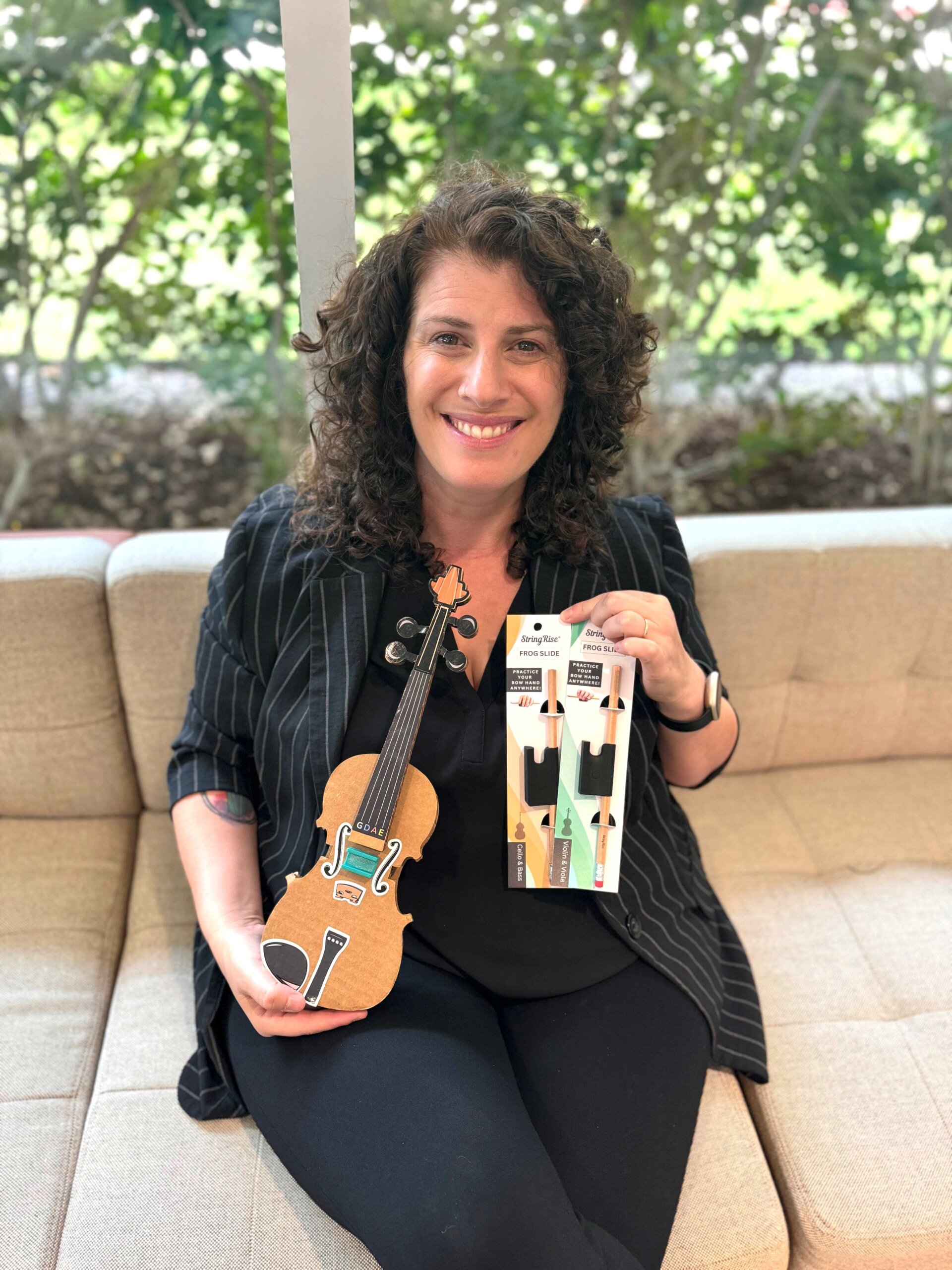
Creating a program for underserved children who don’t have access to high-quality music education was always a life-long goal for Nicole Boutros Melrose. As a young child growing up  experiencing trauma, playing the violin provided her with a way to express herself and she wanted to offer that life-altering experience to others.  

After accomplishing that goal and impacting over 300 families in East Dallas with a successful string program for underserved children, Melrose wanted to do more. People started to ask questions about the box violins that she made by hand. She realized that she needed to create a product in addition to working with educators in areas such as trauma identification and beginning strings.  

In 2021, she founded her new business, StringRise, and filed a patent for her box instruments and teaching equipment. Around the same time, she saw a Facebook post from Texas Woman’s University about grants for women-owned businesses in Texas. 

“As a first-generation Arab American, I have encountered unique challenges in navigating the entrepreneurial world, often without a strong network or support system,” Melrose said. “When I came across the TWU grant, I saw it as an incredible chance to not only elevate my business, but also to represent the diversity of Texas women entrepreneurs. I knew this grant could be a powerful catalyst for my growth, allowing me to be supported for the next phase of my business.” 

Melrose applied for a StartHER grant, and was one of the 25 awardees in 2023 to receive a $5,000 grant from CWE.  

The CWE provides the tools for women-owned Texas businesses to succeed, including business advising, funding, networking, training and resources. Since 2018, CWE has awarded more than $2.3 million in grants to women entrepreneurs across the state, focusing on startups, women veterans and rural businesses. 

Among the CWE’s specific programs aimed at boosting entrepreneurial activities is the StartHER Grant, which supports women-owned startups in launching new initiatives and driving early-stage growth through innovative projects. The program began in 2018, and has since awarded $625,000 in grant funding to 125 women across Texas.  

When Melrose received word that she had received the StartHER grant, she had just finished the expensive process of getting the patents and was focused on producing high-quality products that could get into retail. 

“Our beta launches had gone really well, but those products were 3D printed, and we knew we needed to take the next step by getting a mold made for our products,” Melrose said. “The grant made that possible—it allowed us to start the molding process, and now we’re officially in retail stores and growing. The product is doing really well, and the StartHER grant made that possible.” 

The StringRise products are buildable string kits designed to teach students about posture, positioning and sound production, while mini bows and frog slides help students learn how to hold the bow with a lightweight object that mimics the real thing. 

“Underlying every aspect of StringRise is accessibility — we are working for the thriving and equitable future of string education, in which every student can have access to the tools and resources to play their instrument at a high level,” Melrose said. “Music has transformed my life and the lives of the students I have worked with and as StringRise grows, I am excited to see more lives transformed by the power of music.” 

Melrose says the award helped facilitate her fledgling business venture. 

“In the end, we are so grateful that we did not have to rely on our own resilience, and that the TWU grant was so supportive every step of the way,” Melrose said.  

DFW HIGHER EDUCATION REVIEW

EXPLORE THE #1 REGION IN TEXAS FOR HIGHER EDUCATION

This story is published as part of the Dallas-Fort Worth Higher Education Review, published by the Dallas Regional Chamber to showcase how DFW’s colleges and universities are fueling excellence in our region and behind through unique data and stories covering a range of topics.

Texas Woman’s University (TWU) and Bezos Academy will open a tuition-free, Montessori-inspired preschool for children of the university’s student-parents as well as Denton families. Additionally, the preschool will provide TWU students with hands-on learning experience.

The preschool, named Bezos Academy Denton, will feature six classrooms with capacity for 120 students between 3 and 5 years old. An opening date has not been determined, but construction is set to be completed in fall 2025. 

Twenty percent of seats will be reserved for children within the TWU community with the other 80% serving Denton families. The City of Denton contributed $1.5 million to the $6 million project to increase the center’s capacity to accommodate the city’s growing child care needs. The preschool will offer full-day, year-round, Montessori-inspired programming. 

The preschool will also provide hands-on learning opportunities to students pursuing degrees in child development and early childhood education. 

“They will have the opportunity to complete some of their field experience requirements in the Bezos classrooms,” said Brigitte Vittrup, PhD, interim dean of the TWU’s College of Professional Education. “It offers great opportunities for experiential learning that go beyond the classroom.” 

Field experience that undergraduate students could complete at Bezos Academy Denton includes observation of developmentally appropriate practices, teaching in a preschool classroom and learning about child care administration. 

“This partnership will be a game-changer for the many families in our communities who struggle with child care costs,” said TWU Chancellor Carine Feyten. “Texas Woman’s and Bezos Academy share a mission to develop lifelong learners and leaders by increasing educational access.” 

Low-cost child care is among the most cited needs for student-parents across the country, who are especially affected by the lack of affordable child care. Nationwide, more than two-thirds of student-parents live at or near the poverty level. The Education Trust, a national advocacy organization committed to creating economic and racial parity in American education, estimates student-parents would need to work an average of 53 hours per week to cover both their education and child care costs. 

“One in five college students in America is also a parent. That means they have to focus on their educational and professional achievement while ensuring their child starts life off on the right foot,” said Mike George, president of Bezos Academy. “By bringing tuition-free, full-day preschools to schools like Texas Woman’s University, we’re hoping to help student-parents and members of their surrounding community nurture their children’s love of learning without sacrificing their own.” 

Denton Mayor Gerard Hudspeth welcomes the project, noting it will help address the city’s child care needs. 

“Across the United States, affordability is often left out of the discussion about child care supply, which causes financial strains on families,” Hudspeth said. “An ingredient to Denton’s well-being is accessing quality child care solutions that provide the educational, social and emotional foundations for our youngest residents. The city is proud to partner with Texas Woman’s University to provide an essential service that will benefit Denton into future generations.” 

This partnership supports the TWU strategic plan’s Family Matters initiative and dovetails with longtime TWU values. 

Since 2017, the Texas State Department of Health and Human Services has recognized Texas Woman’s as a mother-friendly worksite, and since 2018, TWU has earned the agency’s silver-level designation. Texas Woman’s is also recognized as one of the Best Colleges for Students with Children in the nation. 

DFW HIGHER EDUCATION REVIEW

EXPLORE THE #1 REGION IN TEXAS FOR HIGHER EDUCATION

This story is published as part of the Dallas-Fort Worth Higher Education Review, published by the Dallas Regional Chamber to showcase how DFW’s colleges and universities are fueling excellence in our region and behind through unique data and stories covering a range of topics.

Investors in the Texas Christian University community have new financial opportunities through the Horned Frog Investment Network. 

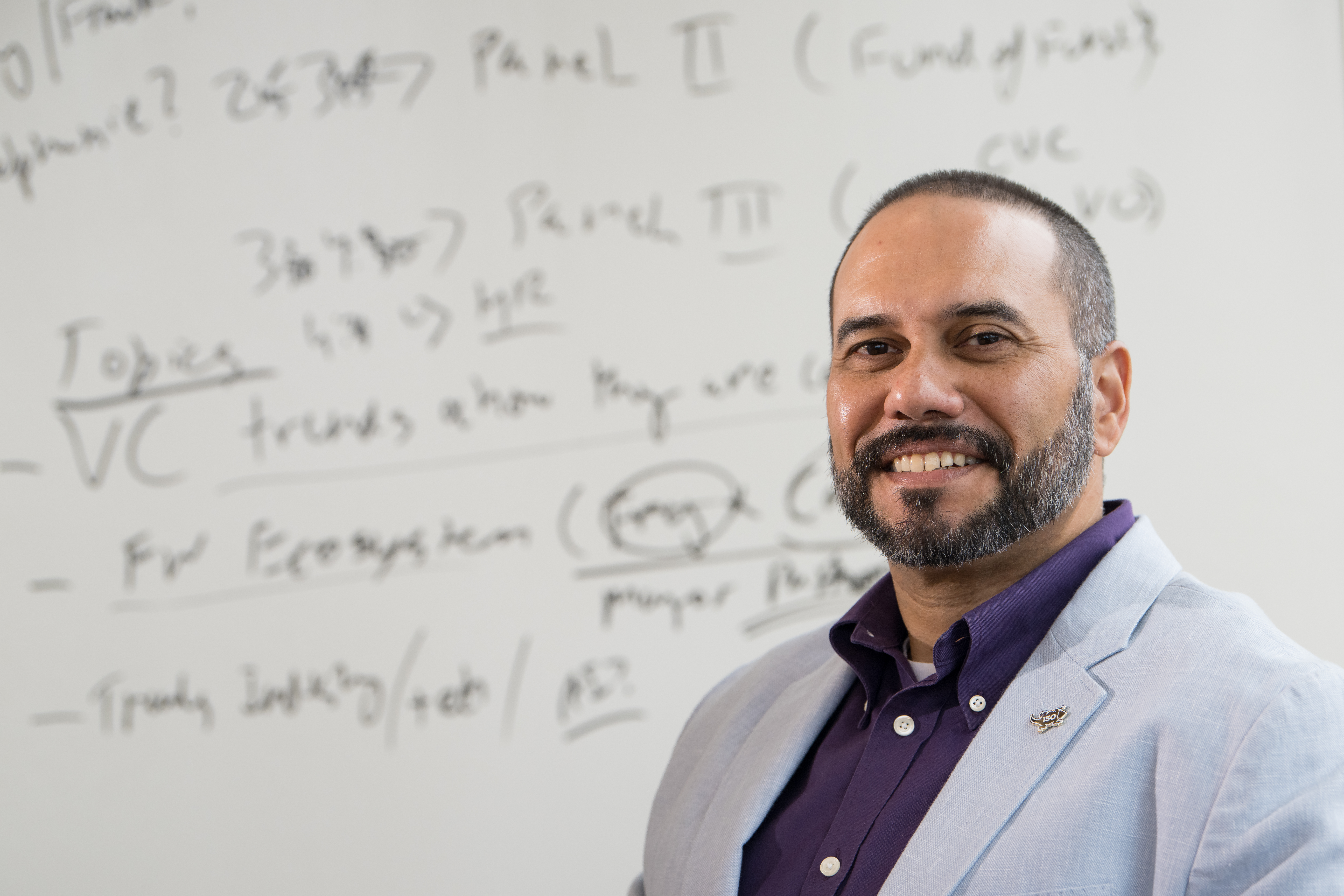
Rodney D’Souza, associate professor of professional practice in TCU’s Neeley School of Business and managing director of the Institute for Entrepreneurship and Innovation, photographed November 16, 2023 by Leo Wesson.

Founded in March 2022, the Horned Frog Investment Network brings together various stakeholders, including investors, startup leaders and Neeley School of Business MBA students, with the goal of funding select startups. While most members of the network have a direct affiliation to TCU, either as alumni or parents, others live in the Fort Worth community. 

Rodney D’Souza, managing director of the Institute for Entrepreneurship and Innovation, leads the investment network alongside program managers Andrew Hicks ’13 (MBA ’21) and Joe Dickerson ’11 (MBA ’20). 

“We started the Horned Frog Investment Network to give people access to investment opportunities that they had traditionally not seen before when it comes to the venture capital and private equity space,” Hicks said. “A big part of that is connecting our network of investors with really high-quality opportunities around the country.”  

It works like this: Each year, two to three MBA students are hired to evaluate hundreds of companies to determine whether they’re a good fit for the investment network, while community members of the network are also trained on what to look for in deals. Companies that have been rigorously vetted by the students then propose their investment opportunities in meetings held throughout the year, hoping to inspire the potential investors that their company is the right fit.  

“The students at TCU are getting in-class training of looking at deals, what are red flags and how do you overcome them, how to negotiate, all those kinds of things,” D’Souza said. “At the same time, community members who have an inclination and have the capital are also being trained on what to look for in deals and where to source them from.” 

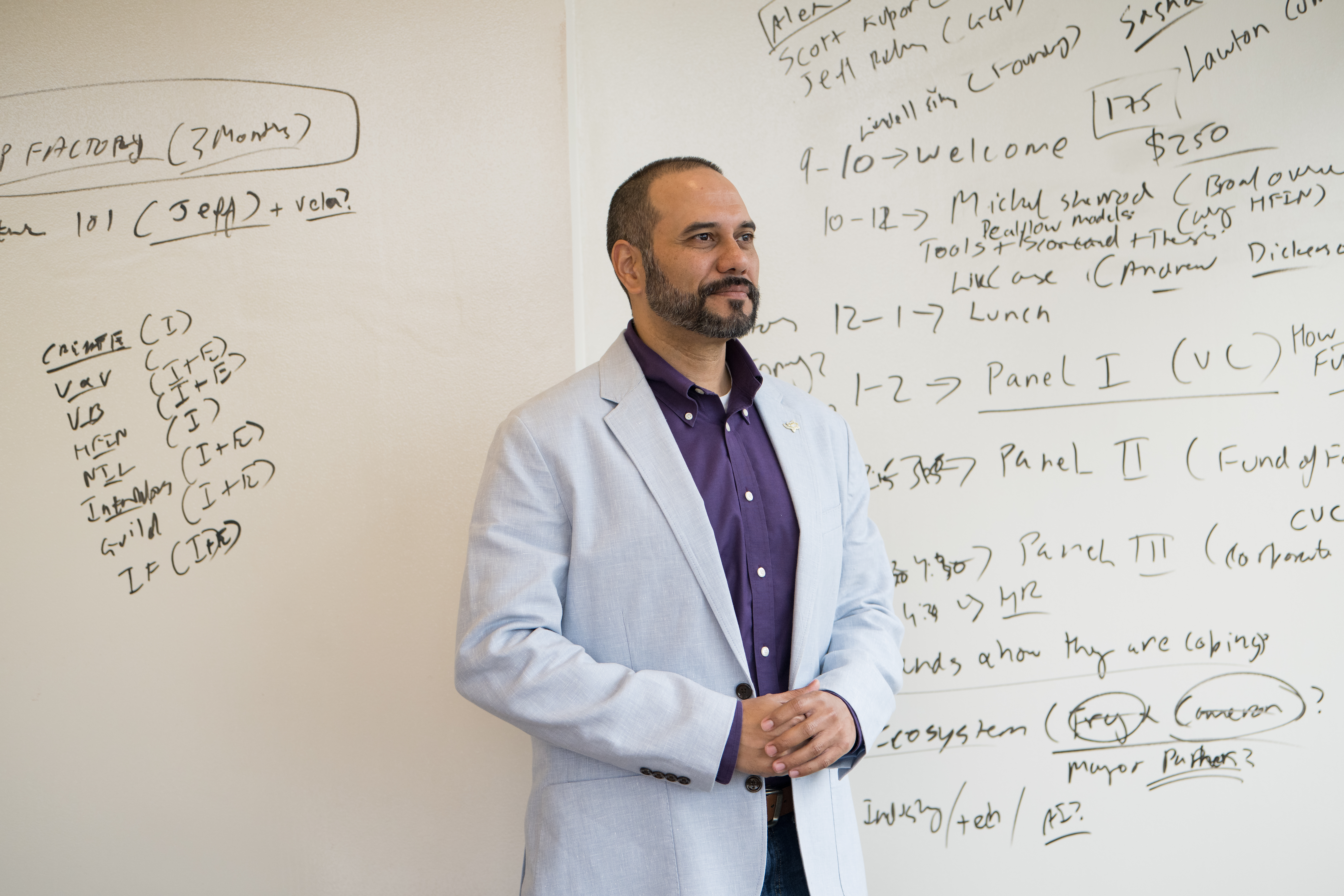
Rodney D’Souza, associate professor of professional practice in TCU’s Neeley School of Business and managing director of the Institute for Entrepreneurship and Innovation, photographed November 16, 2023 by Leo Wesson.

Once those seeking funding step out of the room, the potential investors discuss the pros and cons of each opportunity. If a company inspires sufficient interest, the group schedules a deep dive to learn more. From there, members opt in only to what excites them. 

In Spring 2023, based on student recommendations, three startups pitched to a gathering of approximately 50 network members. One of these companies, Austin-based Spot Insurance, caught the attention of investors. Spot specializes in embedded insurance, offering consumers the option to add coverage to anything from flights to ski passes with a simple checkbox. 

While seeking $30 million in funding, Spot Insurance presented to the Horned Frog Investment Network. Several network members were impressed and invested a total of nearly $900,000. This investment provided a significant boost to Spot Insurance, a company operating in a region not typically associated with venture capital. As D’Souza points out, the Horned Frog Investment Network is filling a crucial geographic gap in funding opportunities. 

“This part of the country, flyover country, obviously isn’t getting the attention that the coasts are,” D’Souza said, noting that epicenters for venture capitalism include California’s Silicon Valley, New York City, Seattle and Boston. 

While Texas currently ranks No. 16 in venture capital investment according to U.S. News and World Report, the Horned Frog Investment Network is playing a vital role in driving its growth. By providing funding and mentorship to promising startups, the network is helping to foster a thriving entrepreneurial ecosystem in the state. Altogether, Horned Frog Investment Network members have made investments to the tune of $4.5 million since its inception. 

“There are very, very few schools in the country that have any sort of exposure to do real transactions in the venture capital world,” Hicks said, adding that the students “are basically given a massive leg up when it comes to entering the job market from both being prepared and having that true experience.” 

DFW HIGHER EDUCATION REVIEW

EXPLORE THE #1 REGION IN TEXAS FOR HIGHER EDUCATION

This story is published as part of the Dallas-Fort Worth Higher Education Review, published by the Dallas Regional Chamber to showcase how DFW’s colleges and universities are fueling excellence in our region and behind through unique data and stories covering a range of topics.

Nearly 1 in 5 adults in Tarrant County’s 76105 zip code has diabetes. Fewer than half have health insurance, and few elderly residents receive recommended preventive care. Life expectancy is 70.3 years, far fewer than Tarrant County’s overall average of 78.7 years. 

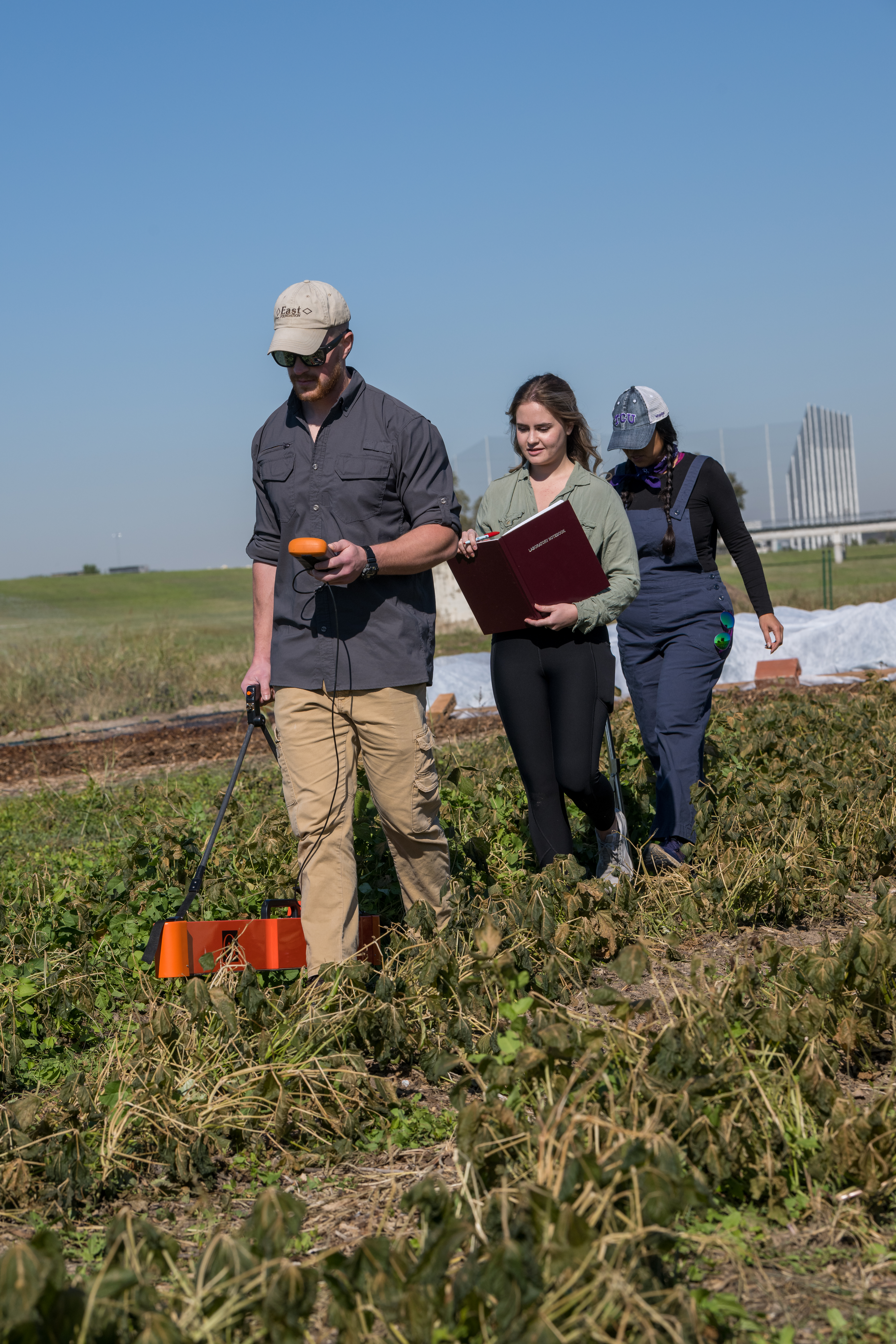
Professor Omar Harvey’s research team measures various qualities of the soil at Opal’s Farm, an urban farm in southeast Fort Worth, TX. Shown, L-R: unidentified farm worker, graduate student Benjamin Strang, undergraduate senior Brooke Newell and graduate student Ursula Nunez. Photo by Leo Wesson, November 17, 2022

Supermarkets in the area often close or avoid opening in the first place. That contributes to food deserts, which in turn affects health and basic quality of life. 

Texas Christian University alumna Linda Fulmer, ’89 MEd, is a longtime east Fort Worth resident who, a decade ago, convened Fort Worth civic leaders for a conversation about health disparities among neighborhoods. Back then, “people were coming over here [to east Fort Worth] and talking to us about what to eat and how to cook it. But they didn’t seem to notice that we don’t have access to those ingredients here,” she said. 

That meeting led to a search for ways to improve residents’ access to healthy foods. One idea caught on: grow the food in the area. 

In 2022, three TCU professors helped land a three-year, nearly $400,000 Sustainable Agriculture Research and Education grant from the U.S. Department of Agriculture. The collaboration unites nonprofit organizations and farmers with Omar Harvey, associate professor of geological sciences, Esayas Gebremichael, assistant professor of geological sciences, and Stacy Grau, professor of entrepreneurship and innovation practice at the Neeley School of Business. The effort aims to help the farms thrive and improve food security for city residents. 

Partner farms include Opal’s Farm, Tabor Farms and Mind Your Garden Urban Farm, all in the city’s southeast side. Nonprofit community partners include the social-impact organization CoAct, the Healthy Tarrant County Collaboration (Fulmer is its executive director) and the office of County Commissioner Roy Charles Brooks. The organizations will run outreach and training events with community members, network with food banks and help farmers navigate regulations and obstacles. 

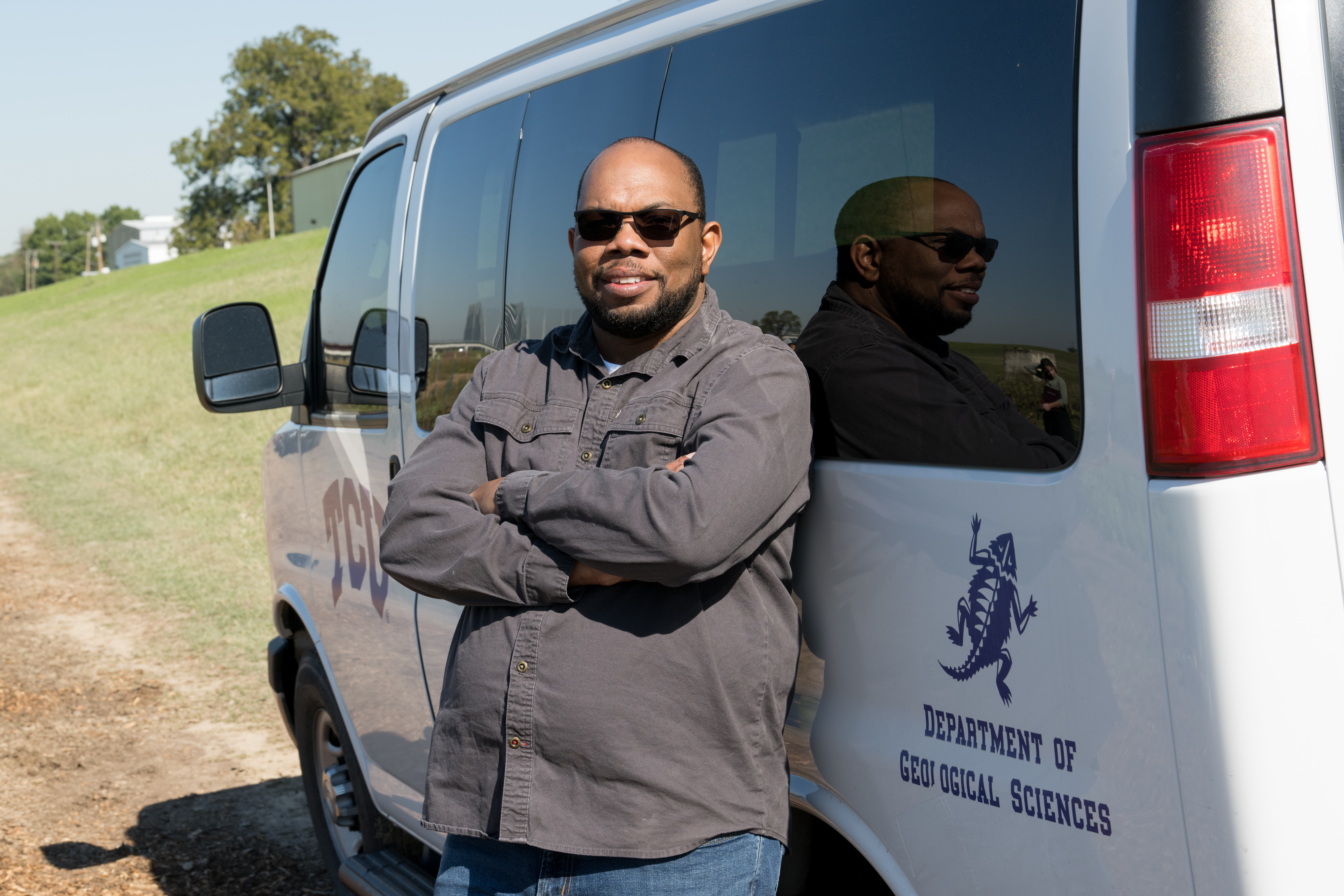
Omar Harvey, associate professor of geology and geological sciences in TCU’s College of Science and Engineering, is photographed on a research trip to Opal’s Farm, an urban farm in southeast Fort Worth, TX. Photo by Leo Wesson, November 17, 2022

“These three farms are just a pilot,” Harvey said. “We want to look at the full capacity of urban agriculture in the city.” 

The geology experts on the grant team will use drones to explore land elevation, soil drainage and sun exposure, while farmers will learn to deploy the drones to monitor plant growth. Harvey and his students will study how adding compost affects an experimental tomato crop. 

They’ll analyze soil health as they go, testing its acidity and levels of nitrate, phosphorus and carbon content. 

Drone and soil test data will allow farmers to apply the right amount of water or enrich with compost only where it’s needed. 

Meanwhile, Grau and her students will gather data at farmers markets and work with farmers to better understand customers and business models. 

“The people who are living in an under-resourced community, living in a food desert, what do they need? What are the main issues that they are struggling with?” Grau said. “It’s not as simple as, ‘Hey, we need more tomatoes.’ We want to use design thinking to understand what their needs are, what their pain points are, what their challenges are, what they like.” 

Professor Omar Harvey’s research team measures various qualities of the soil at Opal’s Farm, an urban farm in southeast Fort Worth, TX. Shown, L-R: graduate student Benjamin Strang, undergraduate senior Brooke Newell and graduate student Ursula Newell. Photo by Leo Wesson, November 17, 2022

Early on, this process can turn up key information. For example, any vegetable grown in the city may seem like a win. But Grau has learned urban farms often grow produce that isn’t much use to community members. They either don’t know how to eat it or cook with it, or it isn’t culturally relevant. 

“Instead of going in with a very prescribed methodology, we want to just try some things and see where it leads us,” she said. “That’s the point of design thinking: You let things take shape based on what people are telling you.” 

Efforts to address food insecurity, Herrera said, mean being intentional about understanding the community: “You have to understand who they are and what their day-to-day experiences look like.” 

Take a community member with a two-hour bus commute to work, Herrera said. Stores may not be open, or the bus route may not have a direct route to that grocery store, once that person gets off work. 

Urban farming has powerful potential, and not merely to feed residents. Farming creates jobs and can help strengthen social ties among neighbors. Crops, orchards and greenhouses put vacant lots to use. Adding compost to soils can keep food waste out of the landfill, conserve water and pull carbon from the atmosphere. 

“Our long-term goal is to really change the food system here in Fort Worth,” said Gregory Joel, manager of Opal’s Farm, “and be less reliant on these big grocery stores that most of the time move out of the neighborhoods that we serve. 

“I tell people all the time: Building a garden is probably the most revolutionary thing you can do.” 

DFW HIGHER EDUCATION REVIEW

EXPLORE THE #1 REGION IN TEXAS FOR HIGHER EDUCATION

This story is published as part of the Dallas-Fort Worth Higher Education Review, published by the Dallas Regional Chamber to showcase how DFW’s colleges and universities are fueling excellence in our region and behind through unique data and stories covering a range of topics.

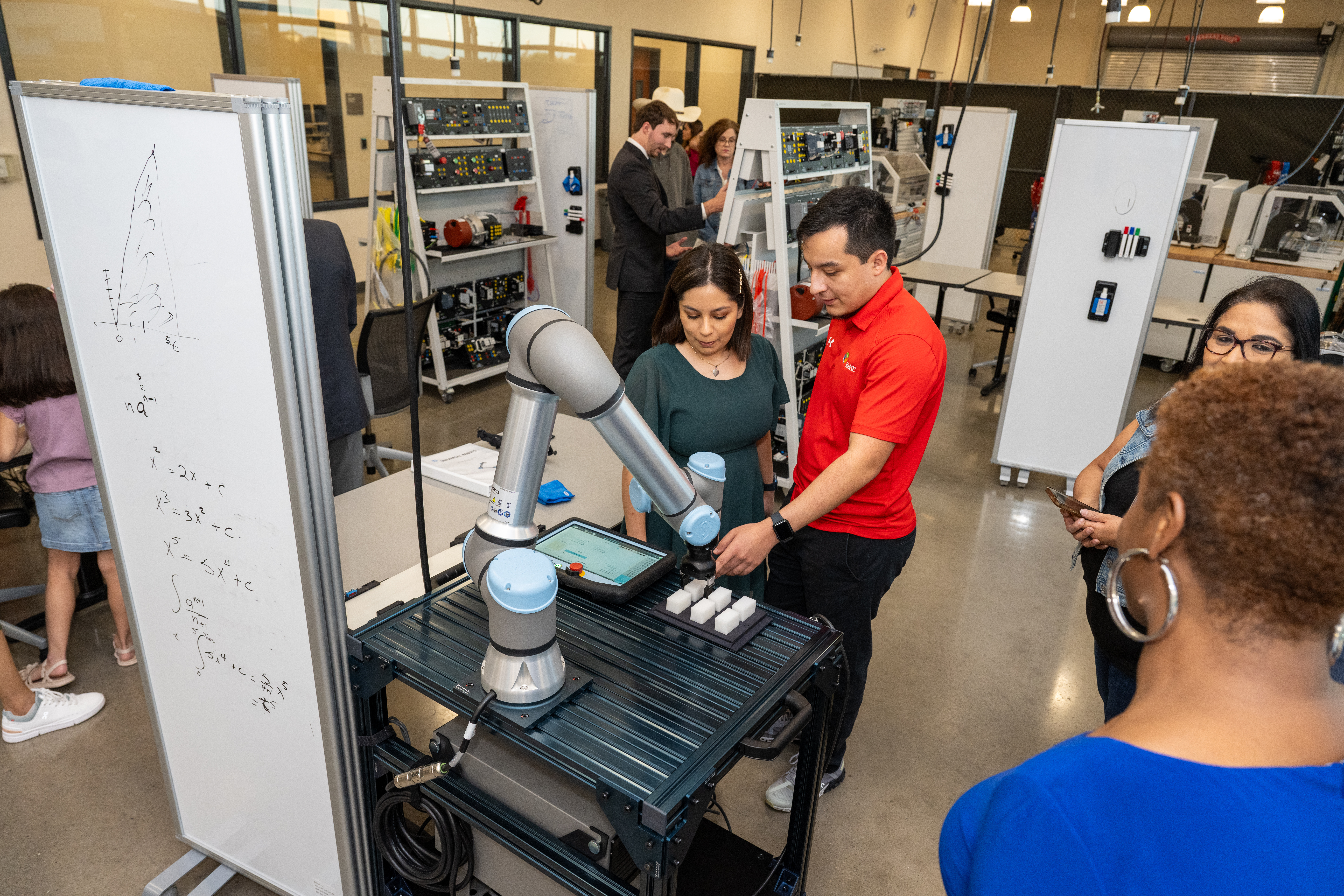
Since 2020, Dallas College has been at the forefront of workforce development by offering a hands-on, Amazon-registered apprenticeship program in mechatronics and robotics. This program provides trainees from across the nation with the opportunity to gain practical experience in mechatronics technology, equipping them with cutting-edge skills on the latest equipment and processes that fuel today’s economy.

Graduates of the 12-week Amazon Mechatronics and Robotics Apprenticeship (MRA) Program have the option to build on their credentials by pursuing an associate degree in Advanced Manufacturing/Electromechanical Technology from Dallas College. This industry-aligned technical training pathway ensures that students are well-prepared for the demands of high-growth industries. 

By collaborating closely with Amazon and other partners, Dallas College has aligned training programs with the specific needs of our industry partners. The industry-recognized credentials that these apprentices earn enable them to jumpstart rewarding careers in mechatronics and robotics.  

“Stackable technical credentials and innovative program delivery models reinforce Dallas College’s position as a leader in building robust North Texas talent pipelines to address the workforce needs of the growing manufacturing and transportation and logistics sectors,” said Dr. Justin Lonon, Dallas College chancellor. 

What started out as a partnership with Amazon in 2020, has since expanded to serve the local community through open-enrollment programs at Dallas College workforce centers located in Garland, southern Dallas and The Shops at RedBird.  

The Amazon MRA program hosts approximately 200 apprentices annually, with more than 800 participants having completed the program since its inception. Collectively, apprentices have been awarded more than 1,500 industry-recognized certifications through the Smart Automation Certification Alliance. 

“Mechatronics technicians play a crucial role in ensuring that manufacturers, logistics and distribution companies maintain the quality and safety standards that modern consumers expect,” said Dr. Veronique V. Tran, vice provost of Dallas College’s School of Manufacturing and Industrial Technology. “As companies like Amazon leverage automation to create better, safer and more rewarding jobs, Dallas College is committed to training multi-skilled technicians who keep these industries thriving.” 

In addition to Amazon, other large employers such as Jones Lang LaSalle, Coldwell Banker Richard Ellis, Cushman & Wakefield and Elite Line Services participate in this Department of Labor registered apprenticeship program. The program partners with local hotels and transportation companies to provide comprehensive support services to students while they reside in Mesquite and train at Dallas College Eastfield Campus.   

After the 12 weeks of training, the students complete their on-the-job-training onsite in Maintenance Reliability and Engineering departments across the US. The classroom and lab experiences offered by Dallas College, combined with hands-on industry partner training, provide a pathway to higher paid technician roles.  

More information on the Advanced Manufacturing/Mechatronics Technology program can be found at: https://www.dallascollege.edu/cd/credit/manufacturing-mechatronics-tech/pages/degrees-cert.aspx. 

Employers interested in setting up apprenticeship programs or exploring manufacturing, mechatronics, electronics and industrial automation training opportunities can contact the Dallas College School of Manufacturing and Industrial Technology at AskMIT@DallasCollege.edu. Dallas College offers customized upskilling and apprenticeship programs tailored to the needs of various industries. 

DFW HIGHER EDUCATION REVIEW

EXPLORE THE #1 REGION IN TEXAS FOR HIGHER EDUCATION

This story is published as part of the Dallas-Fort Worth Higher Education Review, published by the Dallas Regional Chamber to showcase how DFW’s colleges and universities are fueling excellence in our region and behind through unique data and stories covering a range of topics.

Innovation is a hallmark of academic medical centers, where the latest technologies and scientific discoveries are translated into new treatments and procedures to improve patient care. 

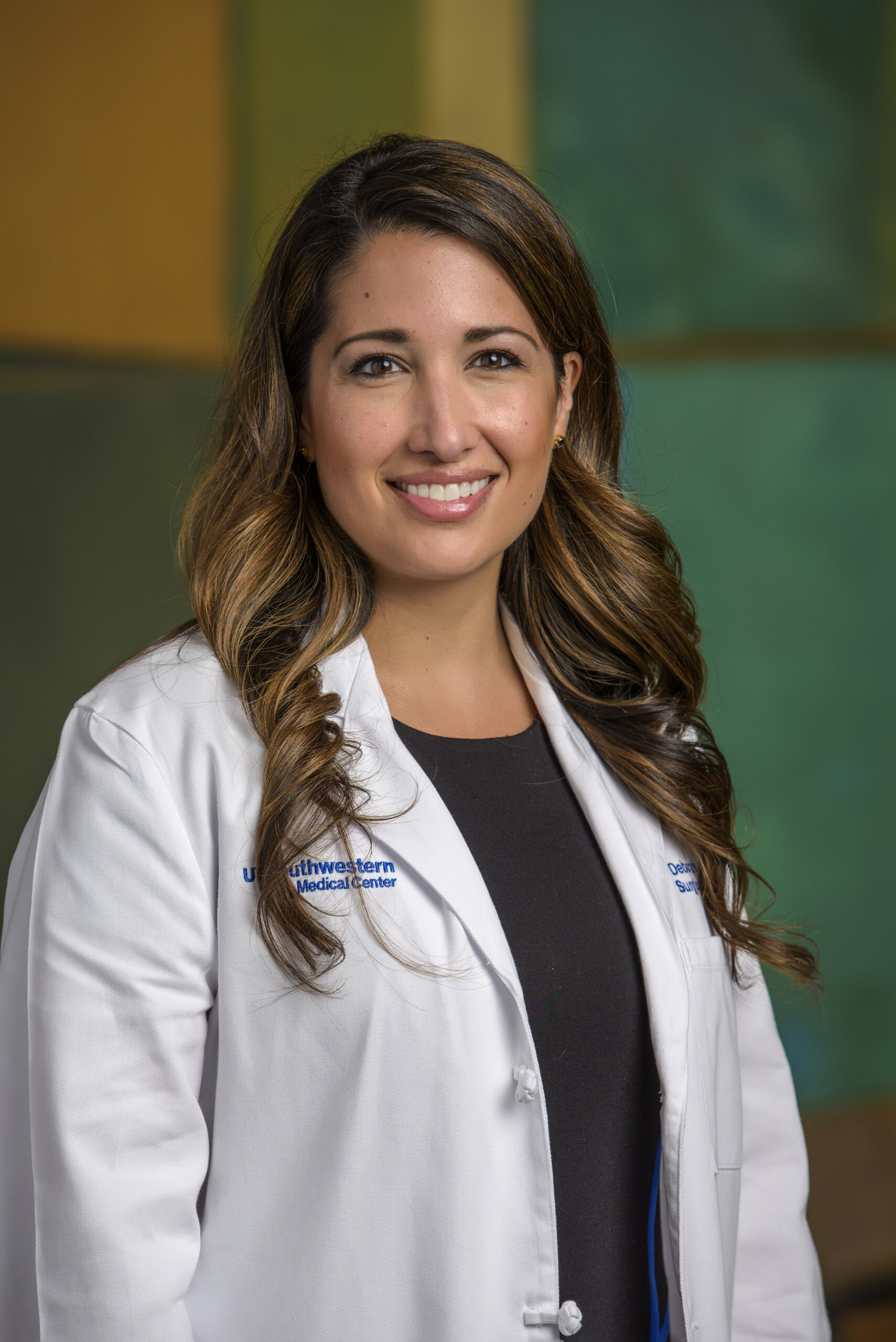
At UT Southwestern Medical Center, Deborah Farr, M.D., Associate Professor of Surgery, had an idea in 2018 for using robotic surgery to perform mastectomies for breast cancer patients, in hopes that a minimally invasive approach would provide a better physical result for women. 

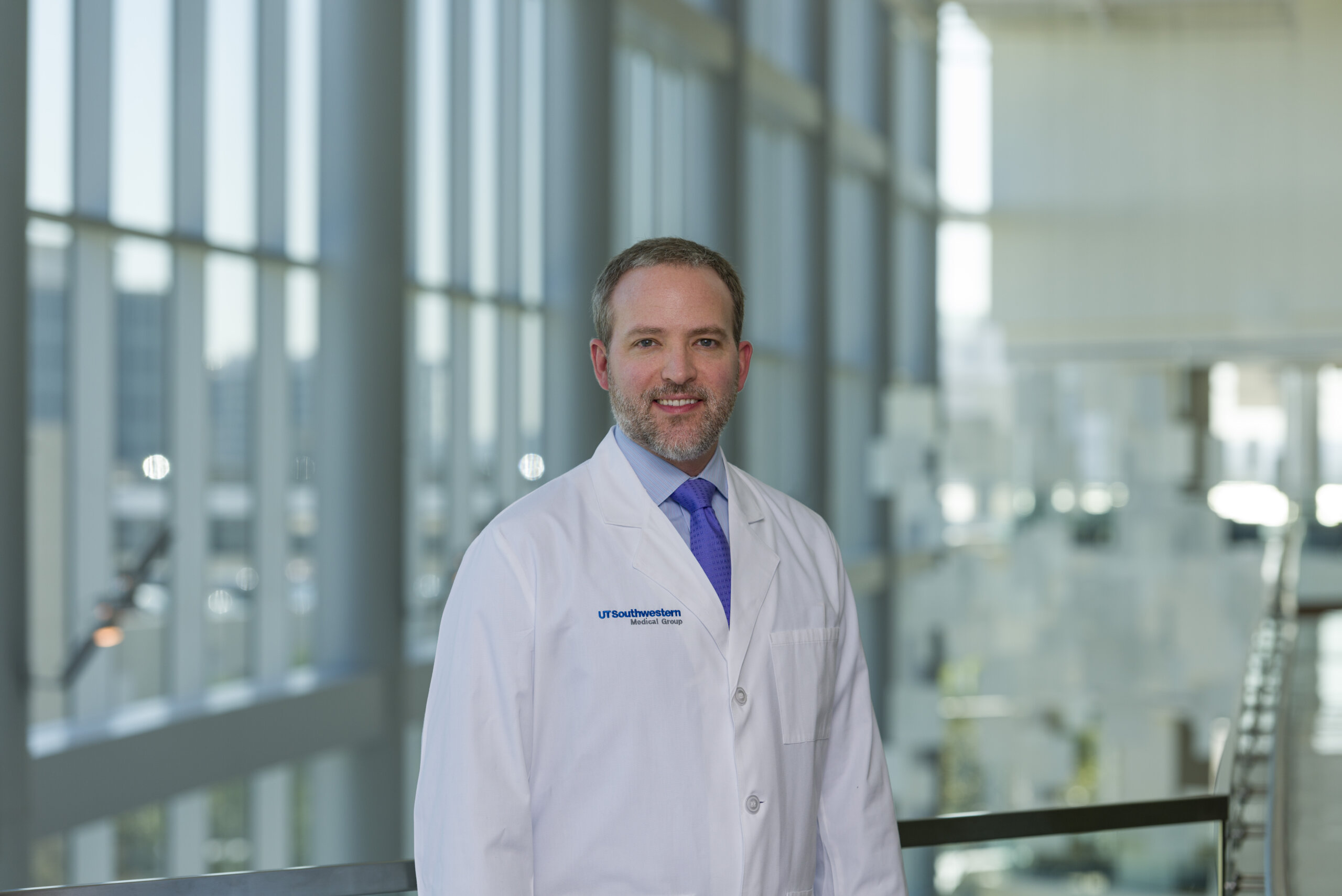
Nicholas Haddock MD

Collaborating with Nicholas Haddock, M.D., Professor of Plastic Surgery and Orthopaedic Surgery, she developed a first-of-its-kind robotic nipple-sparing mastectomy (rNSM) and reconstruction procedure that provides remarkably natural-looking outcomes while preserving full sensation in the breast.  

Dr. Farr said the journey to bring the advanced procedure to patients in North Texas was “marked by curiosity, stubbornness and a little luck.” At the time, the U.S. Food and Drug Administration (FDA) and others were raising concerns around the safety of robotic breast surgery. But with the support of UT Southwestern, Drs. Farr and Haddock pressed ahead.  

UTSW was the first hospital in the U.S. to perform a single-port robotic nipple-sparing mastectomy and profunda artery perforator (PAP) flap reconstruction. In January 2024, the physicians published the results of a four-year study showing that the procedure is not only a safe and feasible approach to breast reconstruction – it also gives patients a very good chance of retaining some or all of the sensitivity in their breasts. 

Rather than making incisions in the underwire area below the breasts, the procedure uses a single-port robot to enter the breast from the armpit to remove tissue and reconstruct the breast, avoiding the nerve damage that results in desensitization. The treatment removes patients’ cancer without some of the disheartening long-term side effects of a traditional mastectomy. 

Robot-assisted procedures require two providers – one at the bedside and one controlling the robot from a console in the operating room. For the early rNSM clinical trials, Dr. Farr operated the robot while Herbert Zeh III, M.D., Chair and Professor of UTSW’s Department of Surgery, was at bedside, helping articulate the borders of the breast tissue. After several surgeries, he taught a physician assistant to serve in this role. 

Several cases into their initial study, Dr. Farr said, the physicians noticed a surprising trend: Every patient had retained sensitivity in their breasts. Women were reporting “hyper-sensation” and full sexual function in follow-up, saying they could feel soft touch as well as pressure in the nipple and breast. 

Deborah Farr MD

“Dr. Haddock and I were floored,” Dr. Farr said. “In a traditional mastectomy, the breast tissue and nerves are often stretched and potentially severed from the incisions and manipulation of the tissue. Even if the reconstructed breasts looked fantastic, patients would often feel as if their breasts were numb and detached, similar to how your legs feel after getting an epidural.”    

With rNSM, nerve disruption is significantly reduced. Entering through the side is much gentler, and the physicians suspect this is why their patients retained sensation. They started doing formal sensation measurements with each patient on follow-up, and every patient in the initial study maintained sensation. 

Patients began spreading the word, and people in the medical community got wind of UTSW’s positive outcomes – including the FDA, which in 2021 invited Drs. Farr and Haddock to apply for an investigational device exemption (IDE). That would grant a formal license to hold a larger clinical trial, which was granted and launched in January 2022, and the results to date have been outstanding. 

UT Southwestern has performed about 100 rNSM procedures, and 80% of patients have retained sensation.  

“In the past, there was a ferocious approach to eradicating breast cancer at any cost to a patient’s happiness and appearance,” Dr. Farr said. “Today, our passion to save patients’ lives remains undeterred but we are also able to focus on enhancing women’s quality of life after treatment.” 

Watch the video of the procedure here.

DFW HIGHER EDUCATION REVIEW

EXPLORE THE #1 REGION IN TEXAS FOR HIGHER EDUCATION

This story is published as part of the Dallas-Fort Worth Higher Education Review, published by the Dallas Regional Chamber to showcase how DFW’s colleges and universities are fueling excellence in our region and behind through unique data and stories covering a range of topics.

Researchers at The University of Texas at Dallas are developing a vaccine delivery system that could boost immune response while eliminating the need for booster shots. 

The key is a zinc-based chemical cage called a metal-organic framework that encapsulates a vaccine element, or antigen. In a study published in Chemical Science, researchers demonstrated in mice that as the injected vaccine cage breaks down in the body, it releases the antigen over several days, provoking a more robust immune response than the multiple injections of a conventional vaccine.

They also found that the performance of the vaccine delivery mechanism might get a boost from zinc, which is a trace nutrient essential for many biological functions in humans, including maintaining a healthy immune system. Zinc atoms form the structure of the biofriendly, metal-organic cage called zeolitic imidazolate framework-8, or ZIF-8. 

“Our delivery system achieved immunity in one dose due to the immunological effects of zinc as well as the sustained release of the vaccine particle from its chemical cage,” said Dr. Jeremiah Gassensmith, corresponding author of the study and an associate professor of chemistry and biochemistry in the School of Natural Sciences and Mathematics. 

Vaccines work by introducing a small amount of killed or weakened disease-causing germs, or some of their components, to the body. These antigens prompt the immune system to produce antibodies against a particular disease. 

One drawback of modern vaccines is that the antigens break down quickly in the body, so more than one injected dose is typically required to achieve and maintain immunity. Patient compliance also decreases as the number of booster shots increase. 

In previous research in mice, Gassensmith and his colleagues showed that delivering antigens via their zinc-based metal-organic framework provoked a better immune response than conventional delivery methods, but the researchers didn’t test whether zinc played a role. 

In the new study, the research team incorporated a model antigen called ovalbumin — egg white protein — into ZIF-8 cages and into a standard delivery system and compared the immune responses to each in mice. 

“All of the mice that received a single injection using the ZIF-8 delivery method produced more antibodies than three injections using standard vaccine delivery methods,” said Ryanne Ehrman, a chemistry doctoral student in Gassensmith’s lab and co-lead author of the study. 

As the ZIF-8 cages degraded, the antigen was released in a controlled, constant manner over several days. The researchers found higher concentrations of zinc in the lymph nodes, which they believe could have boosted the immune response. 

“With the standard vaccine, the antigen cleared the injection site in less than 36 hours, whereas with our method, it hung around for about 21 days,” Ehrman said. “This is significant because the immune system needs time to register whatever it has been exposed to. Our system does that as a single dose, as opposed to multiple boosters.” 

The ZIF-8 vaccine delivery method has not been tested in humans, but Gassensmith said that in addition to reducing the number of doses a patient might receive, the approach has other potential advantages over conventional vaccines. For example, the formulation is in powder form and can be stored and transported at room temperature. The production process is also scalable. 

“I was able to produce 20,000 doses just in our lab,” Ehrman said. “That capability scaled to pharmaceutical industry facilities could have important applications if we face another global pandemic.” 

Gassensmith said follow-up experiments will determine whether other metals, such as magnesium, used in the cage framework might have an effect on immune response.  

DFW HIGHER EDUCATION REVIEW

EXPLORE THE #1 REGION IN TEXAS FOR HIGHER EDUCATION

This story is published as part of the Dallas-Fort Worth Higher Education Review, published by the Dallas Regional Chamber to showcase how DFW’s colleges and universities are fueling excellence in our region and behind through unique data and stories covering a range of topics.

A team from The University of North Texas Health Science Center at Fort Worth (UNTHSC), in partnership with the Texas Alzheimer’s Research and Care Consortium, has published key study results in the Journal of Alzheimer’s Disease. 

Ann Abraham Daniel, a graduate of UNTHSC’s College of Biomedical and Translational Sciences, was the lead author of the article, “Hypermethylation at CREBBP is Associated with Cognitive Impairment in a Mexican American Cohort,” which was published in the April 2023 issue of the journal.

Ann Abraham Daniel

“Like all researchers, we were hoping for the best, but the very fact that there were some significant results that we saw was very exciting,” Abraham Daniel said. “Our whole hypothesis is that environmental factors play a role in cognitive findings in different groups.” 

Working directly with Dr. Robert Barber, a professor in UNTHSC’s Texas College of Osteopathic Medicine, and Dr. Nicole Phillips, an assistant professor in UNTHSC’s CBTS, the team used DNA methylation patterns among about 300 Mexican American and about 250 non-Hispanic white participants enrolled in the consortium. These participants had a clinical diagnosis of normal cognition or cognitive impairment − mild cognitive impairment or Alzheimer’s disease. The study showed a strong association between cognitive impairment and DNA methylation in the CREB Binding Protein gene among Mexican American participants. 

The CREBBP gene provides instructions for making CREB-binding protein, which regulates the activity of many genes in tissues throughout the body. Mutations in CREBBP are known to cause Rubinstein-Taybi syndrome, the symptoms of which include cognitive dysfunction. 

“We are hoping in the future that we can give ethnic risk profiles that can help Mexican Americans know their risk for Alzheimer’s disease and cognitive impairment,” Barber said. “They are the fastest-aging segment of the U.S. population that develops Alzheimer’s disease at a younger age, and if we don’t have any more knowledge or treatments, we are going to be in trouble.” 

Approximately 5.8 million people in the U.S. live with Alzheimer’s disease – the sixth-leading cause of death in the country, according to the Alzheimer’s Association. It is estimated that 500,000 new cases of the disease are diagnosed in the U.S. annually.  

These results are currently being expanded and replicated in samples collected from participants enrolled in Dr. Sid O’Bryant’s Health & Aging Brain Study − Health Disparities. O’Bryant, executive director of UNTHSC’s Institute for Translational Research and a TCOM professor, received a five-year, $148.78 million grant in October 2022 to conduct the first-ever large-scale study of the biology of Alzheimer’s disease within a health disparities framework across the three largest racial and ethnic groups in the U.S. – African American, Hispanic, and non-Hispanic white. 

“We are excited about the potential of the ongoing work because the Healthy Aging Brain Study − Health Disparities cohort has several significant advantages,” Barber said. “These include a larger and more diverse sample, and the collection of a much wider array of data that include amyloid and tau PET scans, whole genome sequencing and DNA methylation profiles. With these additional data types and broader participant diversity, the potential for additional discoveries is great. This is really exciting and a big honor for Ann.” 

The paper is the first first-author publication for Abraham Daniel, who graduated from UNTHSC in May 2023 and used data from Phillips’ lab for the paper. She is now working as a postdoctoral research fellow at the Mayo Clinic in Florida, and her research is still within the Alzheimer’s disease field. 

To request the full text of the article or for more information, contact Diana Murray, IOS Press, 718-640-5678 or d.murray@iospress.com. To learn more about the Healthy Aging Brain Study − Health Disparities study, call 817-735-2963. 

DFW HIGHER EDUCATION REVIEW

EXPLORE THE #1 REGION IN TEXAS FOR HIGHER EDUCATION

This story is published as part of the Dallas-Fort Worth Higher Education Review, published by the Dallas Regional Chamber to showcase how DFW’s colleges and universities are fueling excellence in our region and behind through unique data and stories covering a range of topics.

Mikaela Stewart, an assistant professor of biology in Texas Christian University’s College of Science & Engineering, is on a mission to further cancer research.  

Stewart began researching mutation of the Breast Cancer gene 1, wanting to understand why someone with a mutation of the gene faced a higher risk of breast and ovarian cancers, but not other cancers. Her interest in these genetic mutations led her to a postdoctoral fellowship at the University of Washington, where she worked alongside Mary-Claire King, the pioneering scientist renowned for her mid-’90s discovery of Breast Cancer gene 1, commonly called BRCA1.

Mikaela D. Stewart, assistant professor of biology in the College of Science & Engineering, works in her lab at TCU on Thursday, November 9, 2023. Dr. Stewart has studied the genetics of hereditary breast and ovarian cancer since her days as a post-doctoral fellow at the University of Washington working alongside Mary-Claire King, the pioneering scientist who discovered the BRCA1 gene in the mid-’90s. Photo by Joyce Marshall.

Stewart then came to Texas Christian University in 2017, where she discovered the role of estrogen in women carrying a mutated gene, which can wreak havoc in women carrying a mutated BRCA1.  

“For someone with a BRCA1 variant, estrogen can essentially act like a pair of scissors, cutting a person’s DNA,” Stewart said. When DNA damage goes unrepaired, the cells, over time, can become cancerous. 

In 2018, Stewart, King and structural biologist Rachel Klevit discovered the role of a partner gene that binds to BRCA1 in preventing breast cancer. Stewart’s recent research at TCU indicates that when a healthy Breast Cancer gene 1 and a healthy partner gene are bound together, they decrease the amount of damaged estrogen-harming DNA. 

“The importance of this discovery is that it allowed us to narrow down which of the many functions of BRCA1 are most likely contributing to its ability to prevent cells from becoming cancerous,” Stewart said.  

Klevit, the Edmond H. Fischer/ WRF Endowed Chair in Biochemistry at the University of Washington School of Medicine, said Stewart’s research gives the scientific community a possible hypothesis for the strong link between inherited mutations in BRCA1 and cancers in the estrogen-sensitive breasts and ovaries. Studies proving how removing ovaries reduces the risk of women getting breast cancer almost as much as a double mastectomy were what spurred researchers, including Stewart, to scrutinize estrogen’s role in cancer. 

Mikaela D. Stewart, assistant professor of biology in the College of Science & Engineering, works in her lab at TCU on Thursday, November 9, 2023. Dr. Stewart has studied the genetics of hereditary breast and ovarian cancer since her days as a post-doctoral fellow at the University of Washington working alongside Mary-Claire King, the pioneering scientist who discovered the BRCA1 gene in the mid-’90s. Photo by Joyce Marshall.

In fall 2019, Stewart began working alongside Eric Simanek, the Robert A. Welch Chair of Chemistry at TCU. Their collaboration, which Stewart said is complementary to her main avenue of research, is funded by a four-year grant that the National Institutes of Health renewed in September 2023 for three more years. Unlike Stewart’s work on the BRCA1 variants, her collaboration with Simanek is looking at ways to short-circuit cancers in people who don’t have acquired or inherited mutations. 

The unique molecules made in Simanek’s lab are designed to prevent proteins from coming together with their partners, keeping cancer cells from growing. Each contains enough protein properties to fool a real protein into binding with it instead of joining with the partner it needs to function. 

Simanek’s lab is making the potential pharmaceutical molecules, and Stewart’s lab tests those molecules to see if they bind to important proteins involved in the cancer cycle, which might lead to new therapies to kill cancer cells. 

But it isn’t just about their research — it’s also teaching the next generation of scientists so that medical therapies can continue to evolve. Stewart, who chose TCU because she could split her time between research and teaching, involves students in research. 

“I’m always very motivated by the idea that there’s always more to discover if we can figure out the best questions to ask,” Stewart said. “While I can’t achieve this alone or maybe even in my lifetime, the folks I train will keep helping to unfold the many mysteries that remain.” 

Stewart’s passion for teaching in addition to her abiding interest in research has long impressed Klevit. 

“Training undergraduates is a huge investment of time,” Klevit said, “but Mikaela has been incredibly committed to doing that.” Stewart, meanwhile, said she hopes to continue to unlock more mysteries involving breast cancer. 

DFW HIGHER EDUCATION REVIEW

EXPLORE THE #1 REGION IN TEXAS FOR HIGHER EDUCATION

This story is published as part of the Dallas-Fort Worth Higher Education Review, published by the Dallas Regional Chamber to showcase how DFW’s colleges and universities are fueling excellence in our region and behind through unique data and stories covering a range of topics.

Tuberculosis is the world’s most deadly infectious disease, killing approximately 1.3 million people worldwide each year. The combinations of powerful antibiotics used to treat the most drug-resistant cases can prove so hard to tolerate that some patients simply stop taking them, speeding death from the disease.    

But an SMU-led team funded by the National Institutes of Health (NIH) has found a new way to destroy multidrug-resistant strains of Mycobacterium tuberculosis. The team’s research is creating hope for an oral medication that can fight the toughest cases with fewer side effects.      

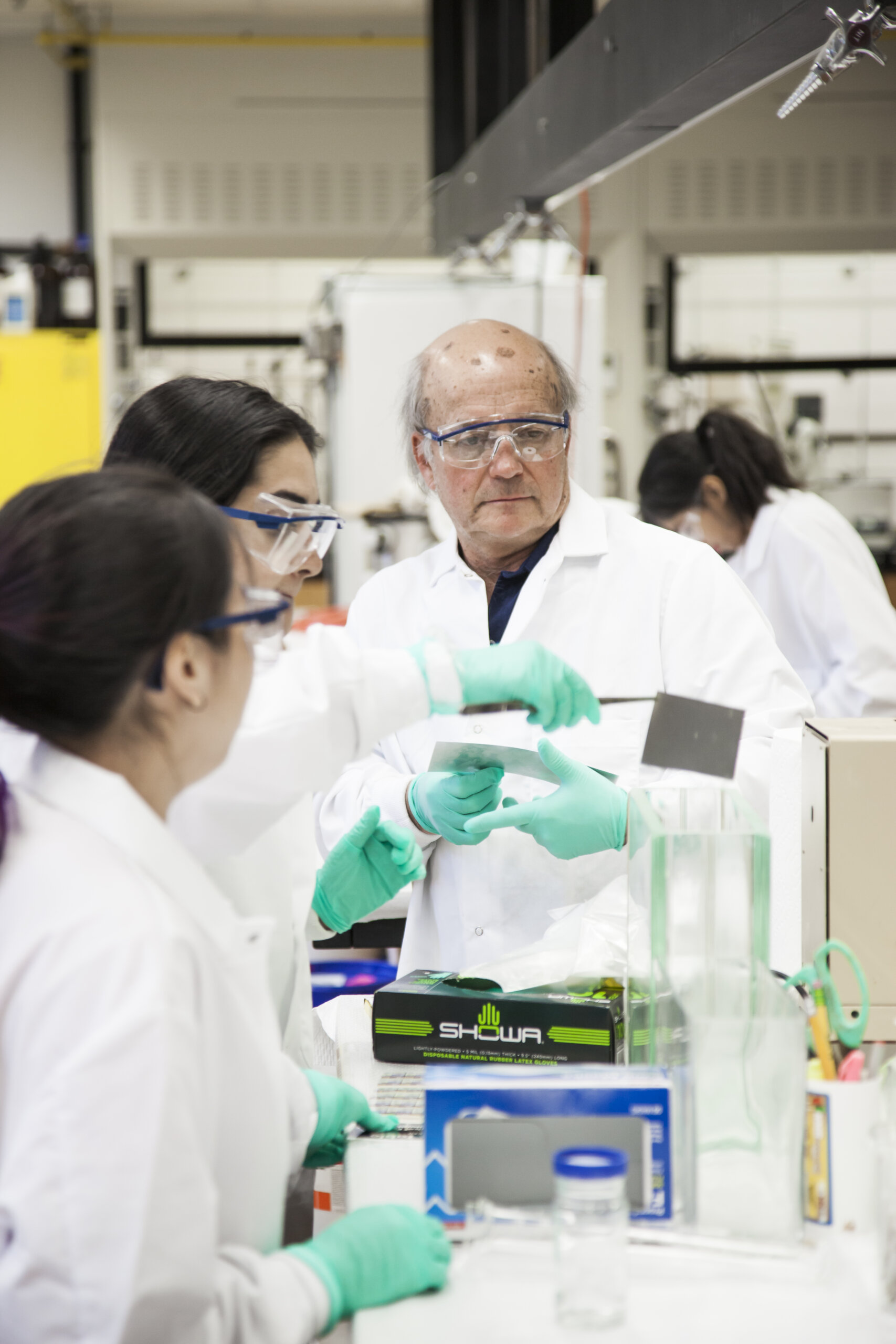
For more than ten years, SMU chemistry professor John Buynak has been structurally altering antibiotics, leading to a modified version of a class of antibiotics that weaken the cell wall of mycobacterial strains, causing bacteria to burst and die.   

What makes it so hard to destroy is that the bacteria causing tuberculosis has “figured out” how to block most antibiotics from dismantling the bacterial cell wall.   

Initial lab testing is promising – shown to be 20-times more effective at killing mycobacterial strains than traditional antibiotics known as carbapenems. And unlike existing carbapenems, Buynak’s modified version may be less likely to negatively affect normal bacteria and cause unnecessary side effects such as vomiting, itchy skin or fevers. 

Now, with a $3.5 million NIH grant, Buynak and scientists from the University of Central Florida, the U.S. Naval Academy and the University of Kentucky are collaborating to see if there might be an even better version of the atypical carbapenem that Buynak created. They are also seeing if they can turn this atypical carbapenem into a drug that can be taken orally by patients.  
“If properly developed, these new antibiotics will provide clinicians with a fallback strategy in treatment of patients infected with highly resistant mycobacterial strains,” Buynak said.   

Current treatment for multidrug-resistant tuberculosis involves giving patients combinations of powerful antibiotics over a course of months and it is often poorly tolerated by the patient, leading to a high mortality rate.    

Drugs called beta-lactam antibiotics, including carbapenems, had been written off as a possible way to treat particularly resistant mycobacterial strains, because mycobacteria’s defense mechanism had made them ineffective.   

But Buynak’s new atypical carbapenem has an entirely different way to kill the cell wall.  

“A different target means that we can use a different ‘magic bullet’ to target them,” Buynak said, explaining that selectively inhibiting a specific enzyme allows beneficial bacterial strains to survive the antibiotic while selectively killing the mycobacterial strains.   

The extremely tough task of modifying an existing antibiotic required Buynak’s extensive knowledge of what different elements – like carbon or oxygen – would and wouldn’t do in a chemical reaction, so he could use a series of simpler chemical reactions to construct increasingly complex molecular architectures.    

“We were the first to make this particular new class of beta-lactams and thus we needed to develop a new synthetic strategy to generate them,” the molecular chemist said. “It took about two years of trial and error before we succeeded.”  

Buynak’s work has benefits beyond discovery: education. Buynak has put SMU students to work in creating this new disease-fighting antibiotic: Four graduate students and more than 20 undergraduates. 

It also took several more years to determine that the atypical carbapenem was particularly good against Mycobacterium tuberculosis, relative to other strains. Atypical carbapenem was also found to be an effective way to kill other mycobacterial strains, like that which causes leprosy.  

DFW HIGHER EDUCATION REVIEW

EXPLORE THE #1 REGION IN TEXAS FOR HIGHER EDUCATION

This story is published as part of the Dallas-Fort Worth Higher Education Review, published by the Dallas Regional Chamber to showcase how DFW’s colleges and universities are fueling excellence in our region and behind through unique data and stories covering a range of topics.

Children’s HealthSM and UT Southwestern Medical Center unveiled plans in February 2024 for a new $5 billion pediatric health campus in Dallas’ Southwestern Medical District. Spanning more than 33 acres, the campus will offer a patient-centric design that can meet the rapidly increasing need for more pediatric services ranging from the most common to the most complex. It will serve as a joint hub for innovation, academic research and training, and the development of lifesaving technologies to provide exemplary care for the youngest members of our community.

The approximately 2 million-square-foot hospital will have two 12-story towers and one eight-story tower to replace the existing Children’s Medical Center Dallas, significantly expanding inpatient, surgical and ambulatory capacity to meet the needs of one of the fastest-growing and largest metropolitan areas in the country. Expected to open in the next six to seven years, the facility will be built on the UT Southwestern campus at the corner of Harry Hines Boulevard and Mockingbird Lane, across from UTSW’s William P. Clements Jr. University Hospital. 

The new pediatric campus will address an acute need in Dallas-Fort Worth, where population growth consistently outpaces the national average. The pediatric population in Dallas-Fort Worth is currently almost 2.5 million and is expected to surpass 3 million children by 2032 and double by 2050. 

The project will be funded through a combination of philanthropy, debt financing and revenues generated over time through clinical operations of both institutions. 

In May 2024, the health systems announced a historic gift of $100 million from the Jean and Mack Pogue family in support of the campus project. To recognize the Pogue family gift, the site for the new pediatric campus will be named Pogue Park. The park will encompass the outdoor grounds surrounding the new facilities and will include sprawling green spaces intended to support compassionate healing and reduce stress in a restorative and natural environment.  

And in September, UTSW and Children’s announced a $25 million gift from the Hamon Charitable Foundation to help build the new campus.  

Highlights of the project include: 

    • 4.5 million-square-feet of construction 
    • 552 beds (38% increase) with space for future expansion 
    • Expanded Emergency Department space (15%) and operating rooms (22%) 
    • Two helicopter pads 
    • A Level I pediatric trauma center, 90 ER exam rooms and 24 observation rooms 
    • A connector bridge between the new campus and Clements University Hospital, ensuring continuity of care for babies with direct access to the pediatric expertise provided at the Children’s Health Level IV Neonatal Intensive Care Unit (NICU) and Cardiovascular Intensive Care Unit (CVICU) 
    • A new fetal care center to provide the region’s most advanced and accessible services for complex maternal and fetal health care, including fetal surgery capabilities at the adjoining Clements University Hospital 
    • A new outpatient clinic building that will add 96 exam rooms to the 344 that will continue to operate at the existing Children’s Health Specialty Center Dallas outpatient facility on Stemmons Freeway at Medical District Drive 

“For more than 110 years, Children’s Health has served the children of North Texas, adapting and growing with the needs of our community,” said Christopher Durovich, President and Chief Executive Officer of Children’s Health. “This new pediatric campus, a joint investment with UT Southwestern, enhances our shared capacity to provide comprehensive care for children, including those with the most complex medical and surgical needs. It enables us to continue pioneering academic research, lifesaving treatments and industry-leading technology for pediatric patients for generations to come.”  

“The pediatric campus is the next chapter in our more than 60-year partnership with Children’s Health and will elevate clinical innovation and transformative science that will benefit pediatric patients and their families for generations to come,” said Daniel K. Podolsky, M.D., President of UT Southwestern Medical Center. “The expertise on our campus, supported by state-of-the-art technologies and facilities, will enhance our commitment to excellence and compassion in providing the very best care for children and position us to accelerate the future of pediatric medicine together.” 

The new pediatric campus will draw upon the extensive academic resources and collaborative, leading-edge research underway at UTSW. The innovative design of facilities – next door to UTSW’s globally ranked research hub – will help recruit leading pediatric clinicians, established and emerging researchers, residents, fellows, medical students and the most talented individuals in nursing, medical technology and related health professions. 

DFW HIGHER EDUCATION REVIEW

EXPLORE THE #1 REGION IN TEXAS FOR HIGHER EDUCATION

This story is published as part of the Dallas-Fort Worth Higher Education Review, published by the Dallas Regional Chamber to showcase how DFW’s colleges and universities are fueling excellence in our region and behind through unique data and stories covering a range of topics.

With a new drone testing facility, UNT researchers are paving the way for the future of transportation and mobility.  

The University of North Texas is soaring into the next phase of uncrewed aerial vehicle (UAV) use with its UNT Advanced Air Mobility (UAAM) test facility.

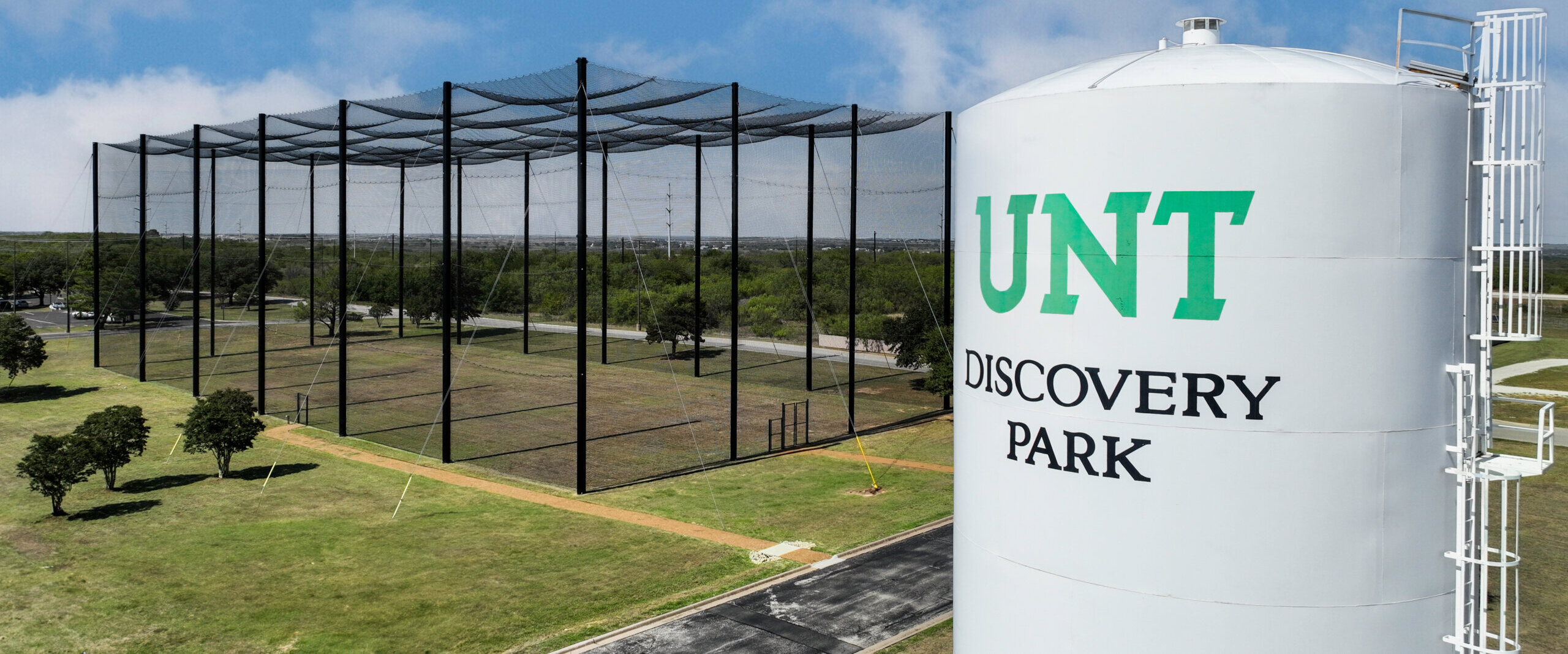
University of North Texas netted drone facility at Discovery Park.. Photographed on Sept 24, 2024 (Carlos Marquez / UNT)

The outdoor netted drone facility is located at UNT’s Discovery Park, the largest research park in the North Texas region. Standing at 80 feet tall, 120 feet long and 300 feet wide, the sprawling 36,000-square-foot UAAM facility is the largest of its kind in Texas and one of the largest nationally.  

 It is part of UNT’s Center for Integrated Intelligent Mobility Systems (CIIMS), an interdisciplinary research endeavor paving the way for the future of transportation and mobility. The research center creates solutions for the complexities of devices such as UAVs and autonomous cars from the programming needed to operate them to policies guiding their successful integration into everyday society. 

 “This testing facility really positions UNT as a leader in advanced air mobility research,” says Terry Pohlen, senior associate dean of the G. Brint Ryan College of Business who serves as CIIMS co-director and director of UNT’s Jim McNatt Institute for Logistics Research. 

 Funding for the netted drone facility came from the Jim McNatt Institute for Logistics Research, the College of Engineering, the Division of Research and Innovation and the Office of the President. Construction began in 2022 under the guidance of faculty affiliated with CIIMS and the facility celebrated its opening in spring 2024. 

 To focus more on UAV research, CIIMS faculty made the conscious decision to fully encase the facility in the netted material. “The Federal Aviation Administration has a very rigorous regulation when it comes to flying,” says Shengli Fu, professor and electrical engineering department chair. “Because it’s fully netted, the facility counts as indoors so we can test without needing a certification every time. We can conduct more tests, accelerate the testing process, all while maintaining safety standards.” 

 During testing, users are encouraged to stay outside the netted facility while a UAV is in operation. The netting provides a buffer, ensuring that the drone remains within a controlled environment and away from potential hazards while still being open enough that pilots can easily see inside. Only licensed drone pilots are authorized to operate aerial UAVs. 

 The facility is available to both faculty and students for research such as testing new parts for drones, exploring safety measures like collision avoidance and examining communication between UAVs and ground vehicles. Given the facility’s large size, researchers also can test signal strength from multiple angles, heights and distances.  

 “Transitioning ground communication techniques to the sky isn’t straightforward,” Fu says. “The base must remain on the ground, presenting unique challenges that we will be able to address with this space. We’re used to thinking in two dimensions, but with UAVs, we must tackle issues in three-dimensional space.” 

 UNT researchers expect drone use to take off in the future with endless possibilities. Freight delivery could move into the sky, hospitals could send air ambulances to transport critical patients from rural areas or drones could bring reception transmitters to areas affected by disasters. 

 Such research is already underway with UNT teaming up with government agencies and companies nationwide to test advanced air mobility technologies. UNT researchers and their external collaborators previously tested an uncrewed air taxi concept using a surrogate aircraft in an air corridor between Discovery Park and Hillwood’s AllianceTexas Flight Test Center in Justin. That project unites a group of 15 entities, including representatives from UNT, Bell Textron, Unmanned Experts Inc., AAMTEX, NASA, Hillwood and the Federal Aviation Administration. 

 Electrical engineering professor and CIIMS member Kamesh Namuduri also is leading another project to research ways to make working in disaster zones safer for first responders. Funded by a $1.5 million grant from the U.S. National Science Foundation, Namuduri and his team are examining how information is shared between different teams and agencies during disaster-relief operations to determine ways to make communication and response times faster and more efficient.  

 Namuduri says institutions like UNT are crucial for uniting industries and government in ensuring safe UAV use. “As the industry progresses rapidly, the pivotal role of higher education becomes clear. While the government concentrates on regulatory measures, it’s imperative for educational institutions to ensure that companies develop technology ready for real-world application. We can help with comprehensive testing of any ideas and concepts,” Namuduri says. 

DFW HIGHER EDUCATION REVIEW

EXPLORE THE #1 REGION IN TEXAS FOR HIGHER EDUCATION

This story is published as part of the Dallas-Fort Worth Higher Education Review, published by the Dallas Regional Chamber to showcase how DFW’s colleges and universities are fueling excellence in our region and behind through unique data and stories covering a range of topics.

East Texas A&M University (formerly known as Texas A&M University-Commerce) is set to become a major destination for agricultural education, thanks to a new Agricultural Education Multipurpose & Training Center currently under construction. The center promises to bring exciting new opportunities to students and the East Texas community.  

A Dynamic Facility

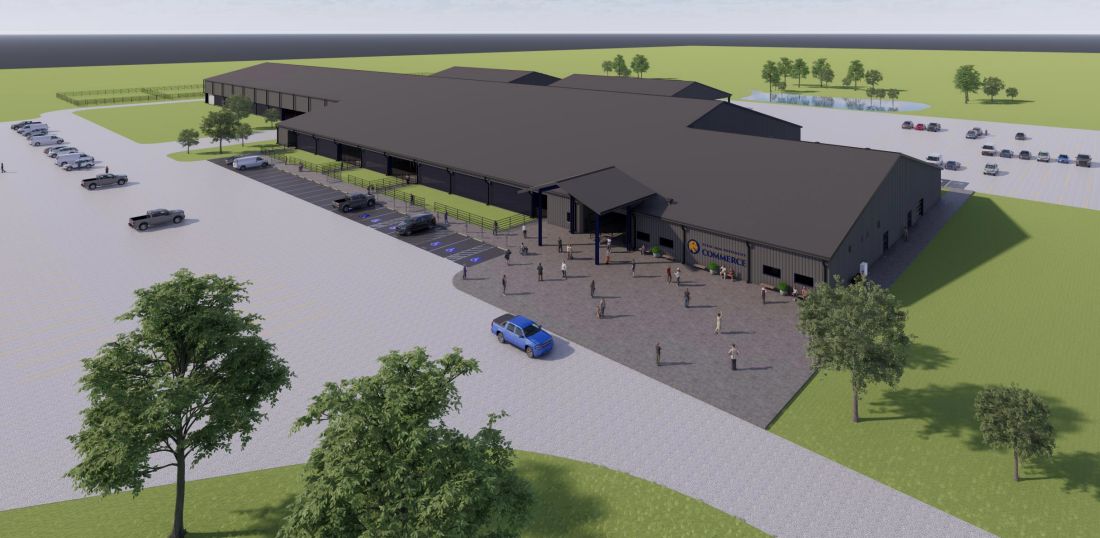
Projected to open in 2026, the facility will occupy 190,000 square feet along State Highway 24, just south of Commerce. The complex will house the university’s College of Agricultural Sciences and Natural Resources and serve as a dynamic hub for agricultural research, teaching, economic development, international student exchange, and knowledge transfer initiatives. 

East Texas’ Hub for Agricultural Education  

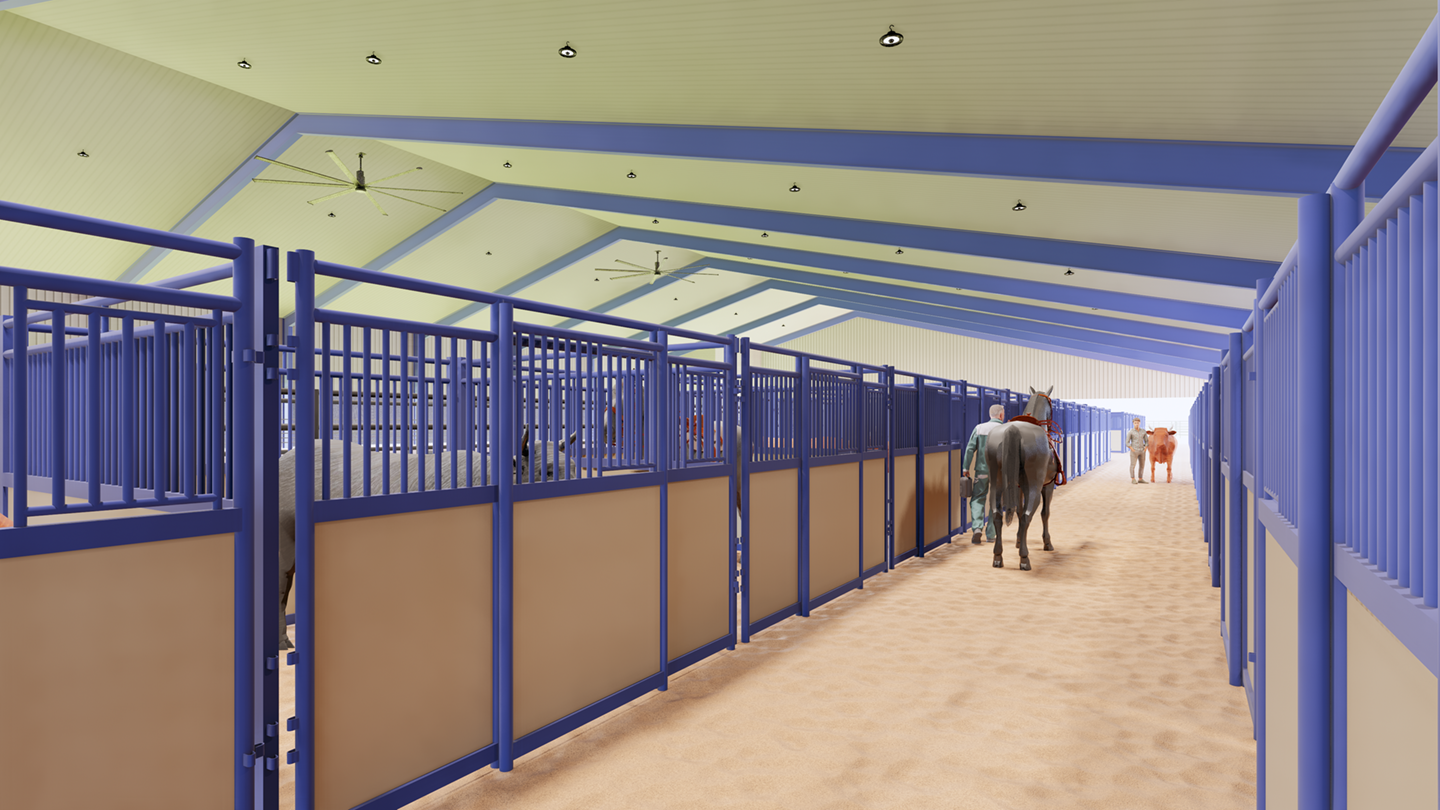
The new facility is expected to become a major regional center for agricultural (ag) education. It will feature event spaces, including a sizable arena for livestock shows, rodeos, conferences and educational fairs. It will also feature labs, stables, classrooms, and accommodations for up to 200 RVs, allowing visitors to stay on the premises. 

“The ag center will allow us to not only better educate the current students in our growing college but also perform outreach to potential students as we provide state-of-the-art facilities for FFA contests and other events,” said Dr. Byron Housewright, interim associate dean of CASNR.  

The East Texas A&M Rodeo team is especially excited to host events at its new home base. The team, which is entering its 11th year and already boasts multiple National Championship titles, will bring in many visitors, including other college teams, fans and business partners. 

“It’s no secret that these facilities will be tremendous for recruitment,” said Rodeo Head Coach Dameon White. “The new ag center will provide four times the amount of animal stalls we currently have access to and other elite amenities that will make this an exciting destination for rodeo athletes and fans at our competitions.” 

Enhanced Ag Programs 

The upgraded ag facilities will benefit several innovative degree programs, including Equine Studies, Agricultural Science and Technology, Sustainable Agriculture and Food Systems, and Animal Science. 

Education will take center stage with laboratory spaces equipped with multimedia resources and the latest lab equipment. In addition to existing care facilities, the new ag center will expand on facilities dedicated to animal husbandry, veterinary care and humane animal handling techniques. 

Housewright emphasized that the new facilities will also become a driving force in faculty recruitment, elevating the educational experience for East Texas A&M students. 

“We have world-class faculty in our college, and the new center will allow us to be more competitive in securing great educators, which will, in turn, benefit the students,” he said. 

Expanding Ag Research

The complex will also create the necessary infrastructure to perform groundbreaking research and secure more considerable research funding, a high priority as East Texas A&M pushes to reach R2 (High Research Activity) status as determined by the Carnegie Classification of Institutions of Higher Education. Housewright stated that forthcoming research projects could include equine joint research and animal behavior studies. Other proposed equine studies include research into stress response and feeding. 

Looking Toward the Future 

In 2021, Texas Senate Bill 52 provided nearly $45 million to fund the new ag facilities at East Texas A&M. The university seeks supplemental funds to complete the project during the next legislative session in early 2025. 

“This facility will be a game-changer for us as we will be able to immerse students in their chosen field of study,” Housewright said. “We can’t wait to showcase this complex upon its completion.” 

Learn more about the College of Agricultural Sciences and Natural Resources at East Texas A&M at tamuc.edu/Ag.  

DFW HIGHER EDUCATION REVIEW

EXPLORE THE #1 REGION IN TEXAS FOR HIGHER EDUCATION

This story is published as part of the Dallas-Fort Worth Higher Education Review, published by the Dallas Regional Chamber to showcase how DFW’s colleges and universities are fueling excellence in our region and behind through unique data and stories covering a range of topics.

By Mike Rosa, Senior Vice President, Prosperity & Economic Development

The Dallas Regional Chamber (DRC) has kept a record of notable corporate location announcements in the Dallas-Fort Worth (DFW) region since 2010. To put a bow on 2024, I am unable to resist sharing some of the year’s numbers, notes, and trends.

Our region continues to win. In 2024, we recorded 97 corporate announcements in the region, up from 67 in 2023 and passing the previous one-year high of 94 in 2021.

Success is shared across the region. Fifteen regional cities had multiple announcements, and 31 cities had at least one. Dallas, Fort Worth, Plano, Irving, and Lancaster were the top five cities for the number of announcements. This does not happen without outstanding communities and great local economic development leadership.

Our region is attractive for all kinds of companies and functions. In 2024, there were 32 headquarters announcements—20 manufacturing, 19 logistics, 17 corporate offices, and nine technology or data projects. The region’s 97 corporate announcements spanned across 32 different industry types like aerospace, auto, business services, finance, food and beverage, life sciences, and technology. Due to the work of many, including the DRC and new gems like Pegasus Park, it’s great to see the life science brand of our region rising to join our other established brands – like headquarters, financial services, technology, and advanced manufacturing – adding to the unmatched diversity of our regional economy.

With Gov. Abbott on an international mission

DFW is a global region. Of the 97 announcements, 24 were made by international companies, representing 12 countries. Canada, Mexico, and Germany were leading source countries. Last year, the DRC joined several regional cities alongside the State of Texas team and Governor Greg Abbott on two international missions; one to India and another to East Asia with visits to Taiwan, South Korea, and Japan – all countries with prominent companies located in DFW.

Finally, California is still golden for DFW, as 16 California companies moved or expanded here.

We are in a great position with many opportunities for 2025. The relationships and work we enjoyed with our community economic development allies and state partners in 2024 positioned DFW—and Texas—at the top. Looking to 2025, the DRC team will focus on a few things this year to enhance our ability to lead and support economic development for our region.

We will continue to pursue companies. We have just completed an updated list of potential headquarters relocations and life sciences companies to engage with and attract to the Dallas Region in 2025.

We are refreshing our pitch to talent. Our “Say Yes to Dallas” talent attraction campaign first launched in 2017. In 2025, we will roll out a redesign promoting the message of unlimited opportunity in the Dallas Region.

We will update an international study. In 2016, a DRC study identified countries where we should focus efforts to recruit foreign companies and investment. This year, we will update our data, information, and presentations on DFW’s international corporate base, global trade, and assets for international corporate locations. These updates will guide us to effectively join international missions and build DRC-led missions with our regional allies and partners in 2025 and beyond.

We will inform the Texas legislature on critical issues. We know infrastructure is now a critical win/loss factor for Texas because we work in real-time with companies and location advisors. We will use our first-hand knowledge to inform the DRC’s advocacy efforts in the 89th Texas Legislative Session.

2024 was a successful and interesting year for economic development in our region. We look forward to continuing our work in 2025.

To learn more about the work the DRC is doing in Prosperity & Economic Development, visit our website.

To stay up to date about the latest news, upcoming events, and specific initiatives, subscribe to the Economic Development newsletter here.

By Catie George, Director, Communications & Storytelling

Dallas is the top city for corporate headquarters locations according to a new survey by Site Selection Magazine.

In the annual survey, 36 site selection consultants were asked to name their top three cities for corporate headquarters locations—and Dallas appeared on more lists than any other city in the nation. The honor marks a back-to-back No. 1 ranking, as DFW was also the top pick in the 2024 survey.

“The Dallas Regional Chamber is delighted that our intentional efforts to build our region’s brand within the site selection community are being reflected,” said Mike Rosa, Senior Vice President of Prosperity and Economic Development at the Dallas Regional Chamber (DRC). “We work hard to build and maintain relationships with site consultants and keep our brand strong for them. They are an important constituent for the chamber because of their role in advising corporations on where to locate.”

Site selection consultants represent thousands of companies in their corporate location decisions. As a partner of the National Site Selectors Guild, the DRC meets with consultants individually when traveling or working on specific projects and at semiannual Guild forums. The DRC has twice hosted Guild forums in Plano and Dallas.

“For DRC members, it is great to see that the brand of this region for headquarters locations is strong among site consultants who advise companies on where to go,” said Rosa. “It’s great we are top of mind. The recent history of corporate location in our region proves that, and it’s why we have that reputation.”

The subjective survey-based ranking complements Site Selection Magazine’s Governor Cup, recognizing the state with the most new and expanded facility projects in a given year. Texas has taken home the cup for 12 years running, with DFW in the lead of Texas metros and sitting just behind Chicago in the nationwide ranking in the most recent ranking from 2024.

In 2024, there were more than 100 corporate location announcements in the DFW region, including more than 30 headquarters projects. DFW also ranks No. 1 in the U.S. for five-year job growth.

To read the full Site Selection Magazine survey results, visit their website.

To learn more about the DRC’s Prosperity and Economic Development work, visit our website.

The Dallas City Council announced Wednesday, Jan. 22, the appointment of Kimberly Bizor Tolbert as the new Dallas City Manager. Tolbert has been the acting City Manager for the past 10 months.

Dale Petroskey, President and CEO of the Dallas Regional Chamber, said the following:

“The Dallas Regional Chamber is very excited Kim has officially been named Dallas City Manager. She has demonstrated great leadership in her career with the City of Dallas, including in her role as Interim City Manager. She knows Dallas, believes in the city’s potential, and will serve us well.

We look forward to working with Kim and our other partners at City Hall to set Dallas up for success for the next 30 years and beyond by ensuring our infrastructure can support growth and that the city is nimble enough to respond to great economic development opportunities. Of course, public safety and healthy communities are essential to this future prosperity, so we need an adequate police force and a concerted focus on reducing the homeless population while helping our homeless neighbors overcome barriers to pursue opportunities for a better life. Working toward these goals helps ensure our city and region remain a destination for companies that bring good job opportunities.

The business community looks forward to partnering with Kim to do a lot of good for our city for years to come.”

Darcy Anderson of Hillwood is 2025 Vice Chair and will be 2026 Board Chair

Jim Springfield, President of Blue Cross and Blue Shield of Texas (BCBSTX), officially began his role as Chair of the Dallas Regional Chamber’s (DRC) Board of Directors at the DRC’s 2025 Annual Meeting Thursday, Jan. 16.

2025 DRC Board Chair Jim Springfield

In his one-year term as Chair, Springfield will preside over the DRC’s efforts to improve the quality of life for all people in the Dallas Region through work in Prosperity & Economic Development; Education, Talent & Workforce; Public Policy; and Diversity, Inclusion & Community Engagement.  

“I’m thrilled to be a part of the strong work the chamber is doing to drive economic growth and foster collaboration between the North Texas business community, educational institutions, and workforce development organizations,” Springfield said. “Creating a strong economy and wonderful quality of life for this region is a vision we share, and I can’t wait to witness the growth firsthand.”  

Springfield leads the overall strategic direction of BCBSTX as well as the growth strategy for Individual and Family Markets. Springfield is a graduate of Baylor University and University of Houston-Clear Lake.  

“When Jim arrived in Dallas nearly four years ago, he immediately immersed himself in the work of the DRC,” said DRC President & CEO Dale Petroskey. “He’s a great leader and a great partner, and we couldn’t be more thrilled he’s agreed to serve as our 2025 Board Chair. As a proven leader of a company that focuses on improving community health and wellness, Jim is the ideal person to lead our Chamber this year.”  

Springfield succeeds 2024 Board Chair Cynt Marshall, former CEO of the Dallas Mavericks. Marshall will continue to serve on the DRC’s Board of Directors as Immediate Past Chair. She is now President & CEO of the consulting firm Marshalling Resources. 

2025 DRC Vice Chair of the Board Darcy Anderson

The DRC Board has selected Darcy Anderson, Vice Chairman of Hillwood, as the 2025 Vice Chair of the DRC Board—a position previously referred to as Chair-Elect. Anderson will assume the role of Chair in 2026.  

“I am honored to assume the role of Vice Chair for the Dallas Regional Chamber and to work alongside Jim Springfield and the remarkable leaders of this organization,” said Anderson. “The DRC plays a critical role in shaping the future of our region, and I am committed to supporting its mission to create opportunities, foster innovation, and advance our shared prosperity.” 

As is the DRC’s custom, Springfield, as Chair, and Anderson, as Vice Chair, will co-chair the DRC’s Diversity, Inclusion & Community Engagement Council in 2025. This tradition was established in 2020 to ensure the DRC Board and staff maintain an unwavering focus on narrowing opportunity gaps in the region. 

“Darcy and the team at Hillwood are great champions of the work of the DRC and of our entire region. They are always looking to the future and building strategies to capitalize on our collective potential,” said Petroskey. “His sound judgment and commitment to making tomorrow even better than today will make him an excellent Vice Chair and partner to Jim and the DRC in 2025, and we look forward to his leadership in 2026.” 

To view a complete list of DRC Board Members, click here