
By Mati Fombang, Managing Director, Talent Strategies
Estimated reading time: 2 minutes
Today’s workforce has different expectations than just a few years ago. While compensation and workplace flexibility remain important, employees are increasingly looking for opportunities to grow, develop new skills and see a long-term future within their organizations.
These themes took center stage on Thursday, June 18, during the DRC’s Talent Talk, presented by Holmes Murphy and INSPYR Solutions, as HR leaders from various industries examined talent retention strategies for an evolving workforce.
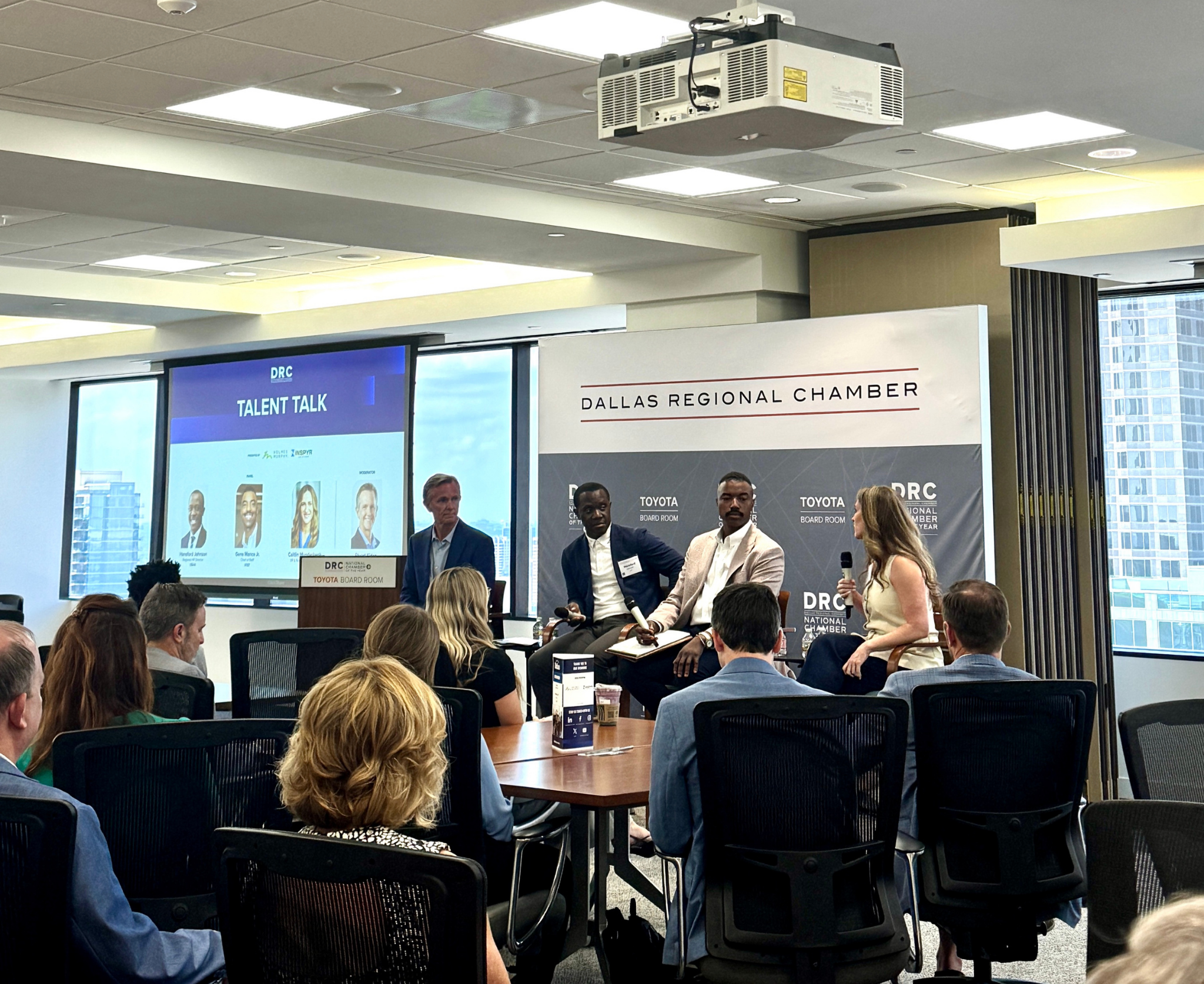
Retention is not just about keeping employees; it’s about personal and internal growth
Panelists discussed how employers can invest in career development, internal mobility and leadership development to prepare their teams for the future and position their organizations for long-term, company-wide growth.
“It’s not really a broad attrition problem. It’s about: ‘are we future-proofing ourselves?’” said AT&T Chief of Staff Gene Mance. “When we think about what has happened in the last 12 to 18 months, it’s moved beyond workplace flexibility and towards employees who are focused on their development and how they can grow in their career.”
Mance also noted that employers can optimize growth-focused talent retention by creating visible pathways for employee advancement.
“Retention is not just about keeping a person in their same role. It’s about: ‘how can I allow them to expand their skill set and grow into different areas of the business?’”
Leadership and belonging shape the employee experience
Panelists identified strong relationships with direct supervisors, regular development conversations and clear expectations as common characteristics among employees who stay and grow within their organization. They encouraged employers to make development conversations intentional rather than occasional, empowering employees to discuss career goals, receive feedback and understand how they can scale internally.
“It is not just focusing on retention per se—but focusing on growth. How can we shift our minds from ‘how do we keep our employees?’ to ‘how do we grow our employees?’” said USAA Regional HR Director Hansford Johnson.
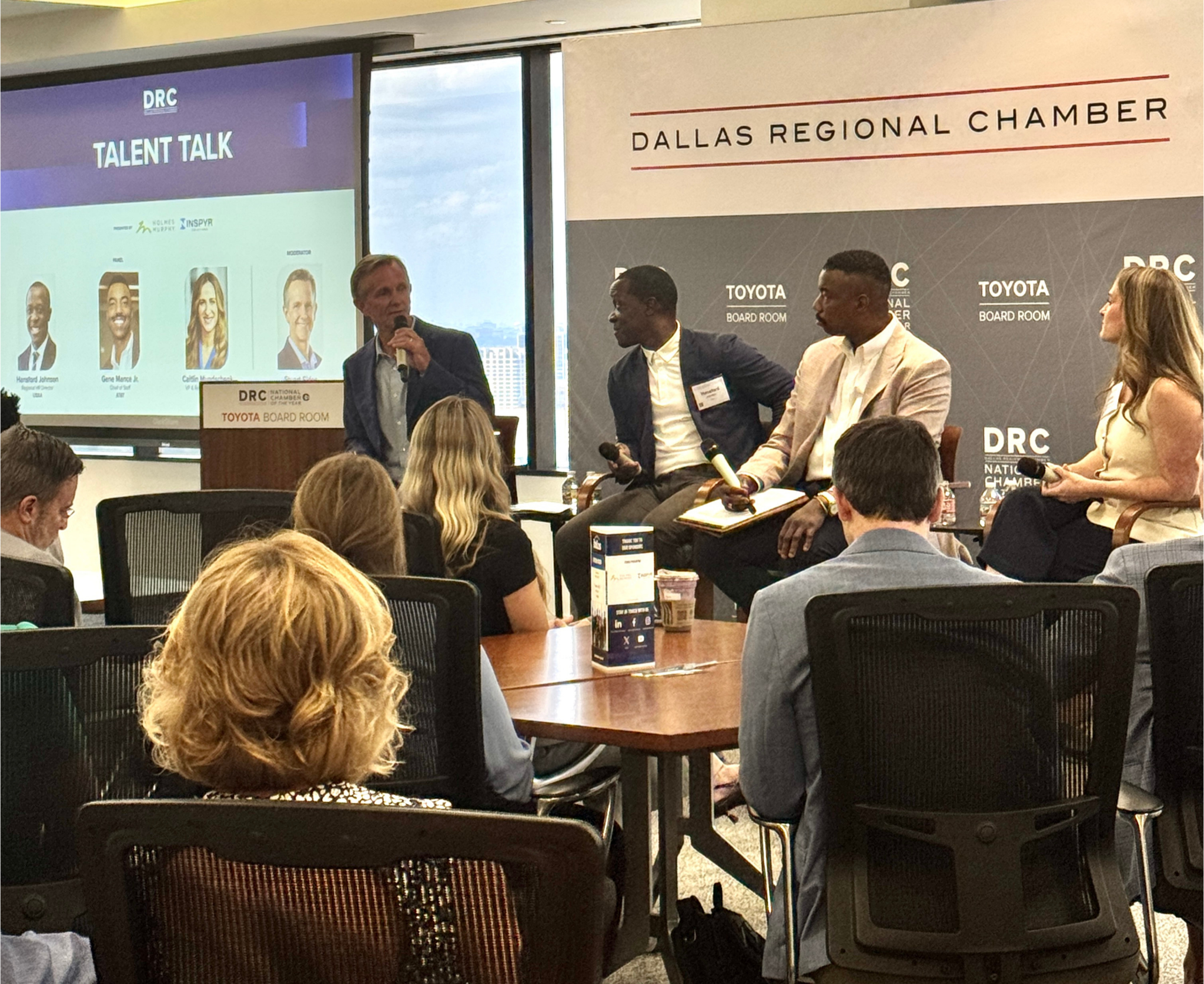
Panelists also consistently pointed to belonging as a key driver of employee retention, agreeing that employees are more likely to stay when they feel connected to their teams, their leaders and their organization’s mission. That sense of connection extends beyond formal programs and is reinforced through day-to-day interactions, recognition, mentorship and opportunities to build community and culture.
Employers can build effective retention efforts with data and employee feedback
Johnson encouraged employers to assess talent retention efforts with data, pointing to USAA’s structured onboarding approach for new senior leaders as an example. This approach focused on building connections, answering questions and identifying potential concerns early through intentional check-ins at 30 days, 60 days, six months and one year post-hiring date—and it achieved 97% retention for director-level hires within its first year.
Panelists also noted that employee engagement feedback can help employers identify specific groups that could benefit from additional leadership support or development opportunities, discussing examples like expanding paid time off and mobility support benefits for skilled trades employees, creating greater continuity across project teams and developing targeted focus groups to solve everyday challenges.
“We talk more about engagement, as opposed to retention, because if you are doing engagement well, retention does not need to be its own specific line of work,” said JE Dunn VP and Regional HR Director Caitlin Mundschenk.
Notably, panelists also agreed that engaging employees is not solely HR’s responsibility; it requires commitment from leaders, managers and employees alike. When organizations engage employees wholistically, they create a workplace where people can continuously learn, contribute and envision a long-term future.
While the panelists represented different industries and work environments, they consistently agreed that development is no longer a “nice-to-have” benefit—it is a business strategy. Whether through intentional career conversations, leadership development, internal mobility, mentorship or clear pathways for growth, organizations that invest in their people are better positioned to retain them.
Thinking about new ways to strengthen your talent pipeline? Contact the DRC’s Talent Strategies team to connect on your company’s needs.