The Dallas Regional Chamber announced that Darcy Anderson, Vice Chairman of Hillwood, a Perot Company, is the 2026 Chair of the DRC’s Board of Directors. Anderson will be formally recognized in the role at the DRC’s Annual Meeting on Wednesday, Feb. 4.
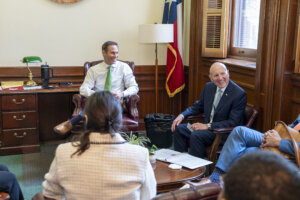
Darcy Anderson with Texas Senator Nathan Johnson at the DRC’s 2025 Austin Fly-In.
Anderson’s one-year term begins during a period of leadership transition for the organization. Anderson will work closely with Brad Cheves, who began his tenure as the DRC’s President & CEO on January 5. Anderson served on the search committee that selected Cheves.
“The strength of this organization starts with its leadership,” Cheves said. “Darcy brings deep experience, credibility, and a strong understanding of this region. His partnership will be important as we look ahead and begin shaping the DRC’s next strategic plan.”
In addition to the CEO transition, Anderson will play a key role in the DRC’s development of its 2027–2029 Strategic Plan, which will set priorities for the organization in the years ahead.
“This role is meaningful to me, both personally and professionally,” Anderson said. “Hillwood has been invested in the Dallas Region for decades, and we see firsthand how decisions made today shape growth for years to come. Serving as Board Chair at a time when we’re welcoming new leadership and looking ahead to the next strategic plan is an opportunity to help ensure the region stays competitive, well-planned, and positioned for long-term success.”
In Anderson’s role at Hillwood, he works closely with Ross Perot Jr. on the Perot family’s real estate, energy, and investment businesses. Over his career, he has held senior leadership roles across development, operations, and corporate support, helping guide large-scale, long-term projects in North Texas and beyond.
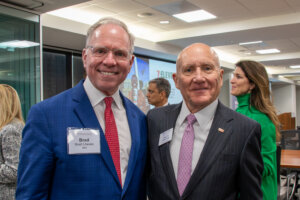
Anderson with DRC President & CEO Brad Cheves.
Previously, Anderson served as Chief People Officer at Perot Systems Corporation, overseeing real estate, facilities, security, and employee services. He has also supported multiple Perot family initiatives across business, civic, and nonprofit efforts.
A graduate of the United States Military Academy at West Point, Anderson completed five years of active-duty service in the U.S. Army Corps of Engineers and later served as Civilian Aide to the Secretary of the Army for North Texas from 2020 to 2025. In addition to his leadership of the DRC, Anderson serves on the Board of the Scouting America Circle Ten Council in Dallas and on the Board of Comfort Systems USA (NYSE: FIX).
Jennifer Chandler, President of Bank of America Dallas, is the 2026 Vice Chair, leading into her service as the 2027 Board Chair. Chandler also served on the DRC CEO search committee in 2025.
“The Dallas Regional Chamber plays an essential role in shaping the future of our region, and it’s a privilege to serve in this capacity,” Chandler said. “As Vice Chair, I’m deeply committed to the DRC’s work and to partnering with Darcy, Brad, and our Board to help ensure the organization remains strong, thoughtful, and focused on what’s best for North Texas.”
From strengthening the business climate to advancing talent, infrastructure, and quality of life, the DRC’s work is grounded in helping the region grow thoughtfully and competitively, with an eye toward both opportunities today and what comes next.
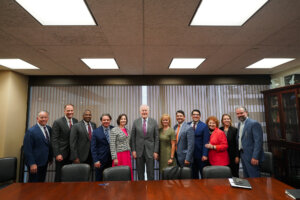
The DRC’s annual Congressional Forum allows our members to hear directly from the members of Congress representing us in D.C.
When Congress edges closer to a federal funding deadline, questions quickly ripple through the business community. What happens if the government shuts down? Which operations slow? And how much disruption should employers realistically expect?
Federal government shutdowns do create uncertainty. When agencies pause or reduce operations, activities like contracting, permitting, grant reviews, and regulatory approvals can slow or stall. For businesses that rely on those processes, even short interruptions can affect timelines, cash flow, and planning.
That uncertainty is felt nationwide — and the Dallas Region is no exception. But context matters. While shutdowns can cause temporary friction, North Texas enters these moments from a position of strength, with economic fundamentals that help insulate our region and allow businesses to recover faster than most.
What a shutdown can mean for businesses
In the short term, shutdowns tend to create operational headaches rather than long-lasting damage.
Businesses may experience:
Delays in federal approvals or permitting
Pauses in grant reviews or research funding decisions
Interruptions in procurement or contracting cycles
Even companies without direct federal ties can feel secondary effects. Furloughed federal employees and contractors may reduce spending, which can affect restaurants, retailers, child care providers, and service businesses in local communities.
Over longer periods, repeated or prolonged shutdowns can contribute to broader uncertainty, particularly in industries that are heavily regulated or federally funded, such as aerospace, life sciences, defense, and advanced research. That uncertainty can complicate investment decisions or slow supplier networks.
Still, history shows these effects are typically temporary. Even during the most recent 42-day shutdown—the longest in U.S. history—economic impacts were concentrated and short-lived.
Texas’ strong foundation matters
Texas enters these moments with a powerful advantage: scale and diversification.
With a gross state product of approximately $2.7 trillion in 2024, Texas would rank as the world’s eighth-largest economy if it were a standalone nation. The state’s growth continues to outpace the national average, driven by a broad mix of industries including energy, technology, manufacturing, professional services, and a rapidly expanding financial sector.
That diversity matters. It helps buffer DFW and the state from outsized impacts tied to any single federal disruption.
What this means for the Dallas Region
And our bi-annual D.C. Fly-In takes our members to Capitol Hill, to meet directly with members of Congress, like Sen. John Cornyn.
The Dallas Region is home to tens of thousands of federal employees and contractors, and several of our strongest industries—including defense, logistics, financial services, and life sciences—interact regularly with federal agencies. When federal processes slow, some companies and research institutions may experience short-term delays in project execution, hiring, or funding decisions.
At the same time, the region is exceptionally well-positioned to absorb and manage those pressures.
North Texas is one of the fastest-growing regions in the country, adding more than 150,000 residents annually in recent years. That growth supports a deep, resilient workforce and a consumer base that continues to expand even during periods of uncertainty.
Equally important, no single industry dominates the Dallas Region’s economy. That balance helps ensure that when one sector slows, others continue to drive momentum.
Our logistics and trade advantage
The Dallas Region’s role as a national logistics and trade hub further strengthens our resilience.
DFW International Airport and Dallas Love Field connect businesses to global and domestic markets, while extensive rail and highway networks keep goods and people moving even when federal operations slow. Texas’ long-standing position as the nation’s leading export state reinforces that advantage.
Together, these assets allow the region to adapt quickly, maintain economic activity, and rebound efficiently once normal federal operations resume.
Preparing for what’s ahead
In November, Congress passed a short-term continuing resolution to keep the government funded while negotiations continue. Lawmakers now face a January 30, 2026, deadline to pass the remaining spending bills or risk another shutdown.
Businesses with higher exposure to federal activity should use this window to assess vulnerabilities and plan accordingly. Practical steps like developing operational contingencies, maintaining communication with federal partners, and coordinating with state and local stakeholders can help minimize disruption.
The DRC is here to keep our members informed and prepared. Remember: even when national conditions fluctuate, we remain competitive.
Was your business affected by the shutdown, or are you implementing a plan to mitigate future impacts? Reach out to me at jtankel@dallaschamber.org.
By Ashlynn Bouldin, Intern, Communications & Web Content
Average reading time: 3 minutes
As industries evolve with artificial intelligence, the business community is urged to find new ways of unlocking human potential and building the skills needed to position companies and talent for the future.
The DRC’s Talent Talk, presented by BGSF Professional Services and Holmes Murphy, assembled business and workforce experts to analyze how employee-centric business models ensure long-term success and talent retention.
Below are the key insights shared by experts at the November event.
Centralizing employees increases talent retention
Suketu Shah, Managing Director and Partner at Boston Consulting Group, emphasized the importance of employee satisfaction and centricity in talent retention. “When you ask employees if they get treated better than their customers or the shareholders, only about 25% answer the affirmative.” Meanwhile, “employees who are motivated and happy will stay there and are 50% less likely to leave.”
Centralizing employees in your business requires purposeful cooperation between employers and their teams. “Employee centricity is not about more perks,” said Shah, “it’s about more participation. It’s about more inclusion of your employees and making work ‘work’ for you.”
Chloe Skibba, Partner at Boston Consulting Group, added that talent retention also requires trust between each level of a company. “A recent Korn Ferry study found that 80% of employees said that they would stay [at their company] if they had a manager that they trust.”
As Shah noted, “the future of work is not about choosing between people or performance. It’s about realizing that they’re one and the same thing — that employee centricity is all about trust, fairness, and creating joy for employees in what they do.” For companies to attract and retain talent effectively, they must secure their employees at the heart of their business, prioritizing their motivation, trust, and happiness, as “joy may be the most underrated business metric of the last decade.”
Employee centricity supports AI efficiency
“As AI reshapes work, the winners will embrace co-creation with their employees, not push stuff at them,” described Shah. “Those who don’t [embrace co-creation] will have these quiet quitters who leave their organizations.” To retain talent while incorporating AI into the workplace, employers must actively include their employees in the processes and projects involving AI.
Skibba highlighted that, in AI-forward businesses, prioritizing employees is crucial. “[AI] is productive in some ways, but it can create expectations and burn people out … As you grow your team, invest in them, engage with them. Make sure that you are enabling them to recharge without guilt, and trust them to manage their energy along with their output.”
According to Shah, the 2024 BCG Decoding Global Talent survey revealed that “companies who are very employee-centric are seven times more likely to be AI-mature or will [reach that maturity] faster, and they are 43% more likely to have more employees.” There is a visible relationship between AI efficiency and employee centricity, and companies seeking to grow with technological change should do so with that relationship in mind.
Apply AI with purpose and invest in employees to retain talent
In this era of rapid technological change and innovation, it is easy to be reactive and seek short-term solutions. But it is imperative that businesses act proactively to position themselves for long-term success.
Shah encouraged leaders to “embrace change” via purposeful AI application. “Find a couple of areas where you can pilot the technology the right way with clear use cases and clear expectations of the ROI that you want to get. If it doesn’t work, then stop and do the next thing.”
Skibba cautioned businesses against hasty AI implementation. “A lot of companies want to start by scatter shooting a tool like copilot or Chat GPT” when they should be asking themselves, “what is one problem or challenge we have that we think AI can be really useful for?”
To effectively apply AI while also attracting and retaining talent, employers should invest in their employees, embracing technological innovation as a team. “75% of employees in high AI-mature companies said their organization trains them regularly on new tools,” said Skibba. “Embedding learning and AI literacy into your culture and engaging by meeting with trust and connection is the winning solution to building your talent.”
Companies that centralize their employees by establishing trust, involving them in the development of new tools and processes, and investing in their growth are equipped to retain the talent needed for success and longevity in this era of technological change.
Thinking about new ways to strengthen your talent pipeline? Email talent@dallaschamber.org to connect on your company’s needs.
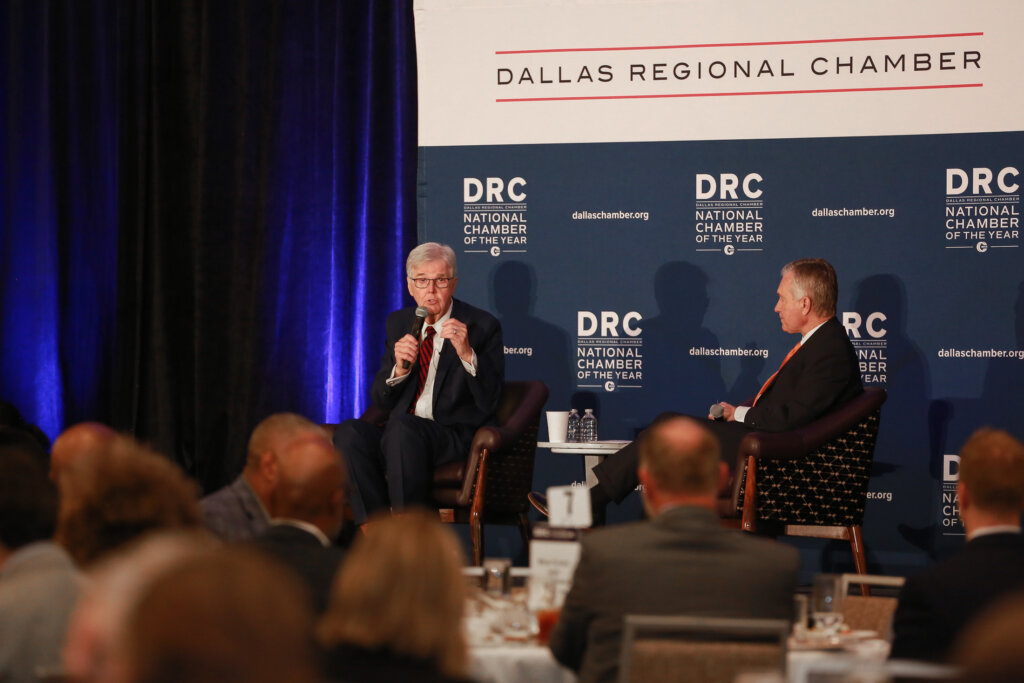
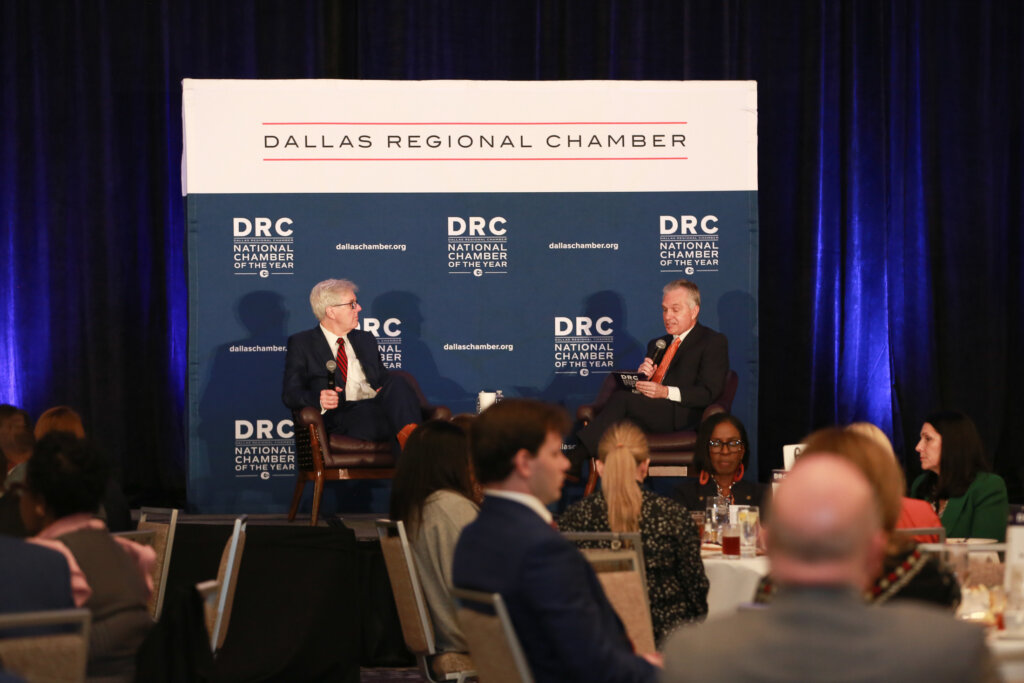
Lt. Gov. Dan Patrick focused on growth, infrastructure, and education as central to Texas’ next chapter.
As Texas lawmakers and business leaders begin looking toward the 90th Texas Legislature in 2027, the Dallas Regional Chamber convened one of the state’s most influential officials to reflect on recent policy decisions and the challenges ahead for a rapidly growing state.
On Thursday, Nov. 20, the DRC hosted Texas Lt. Governor Dan Patrick at the Fairmont Dallas for its biannual State of the State event, presented by Toyota Motor North America and Blue Cross Blue Shield of Texas. The conversation drew business and civic leaders together to understand how education, infrastructure, and energy policy will shape Texas’ continued growth following the 89th Legislative Session.
Patrick, who presides over the Texas Senate, framed his remarks around the scale of the state’s expansion, noting that Texas adds roughly 1,600 residents each day.
“Texas is the place that everyone else in the country, in the world wants to be,” Patrick said. “That is why businesses are moving here.”
That growth, Patrick said, brings increasing demands on the systems that support Texas’ economy and quality of life.
“We have to be prepared for the future, for the water needs, the grid needs, and the educational needs,” he said.
Preparing students—and the workforce—for a growing Texas
Education emerged as a central theme of the discussion, reflecting both its size within the state budget and its role in preparing a growing workforce. Patrick pointed to recent legislative action on school choice, resulting in the nation’s largest such program.
“[We’ve] been trying to pass that for a long time, since 2013, and we finally got it over the goal line,” he said, describing the billion-dollar initiative benefiting 100,000 students.
“The average teacher in 2019 in Texas was making $54,000 a year,” he said. “Today, after the pay raise we gave them again, the average teacher in Texas is now making $69,000.”
Patrick also emphasized education pathways tied directly to workforce needs, particularly in technical and skilled trades, where demand continues to outpace supply. He highlighted models such as Dallas ISD’s P-TECH program, which allows students to earn postsecondary credentials while still in high school.
“Every student has the right to pursue their passion,” Patrick said. “Some for college, some for the military, some for the skilled labor… We have to show the world what’s available to young people.”
Water infrastructure under pressure from rapid growth
Turning to infrastructure, Patrick highlighted water supply and distribution as growing challenges for fast-growing regions across Texas, particularly as aging systems struggle to keep pace with population growth.
“We have plenty of water in Texas, it’s just not where most people are,” Patrick said, adding that an estimated 25% of water is lost through leakage.
Patrick outlined a landmark state investment in water infrastructure, dedicating $1 billion annually for the next 20 years to critical water needs and marking a shift toward treating water systems as critical statewide assets rather than solely local responsibilities.
Then-DRC President & CEO Dale Petroskey moderated the keynote.
“This is the first session where the state said we are going to look at water like we look at roads,” Patrick said, noting that cities and counties often lack the resources to address large-scale infrastructure needs on their own, especially amid the state’s booming growth.
“We have to keep up, we have to partner with cities and counties to help them,” Patrick said.
The Texas Legislature’s plan to secure the state’s water future was approved by Texas voters as a constitutional amendment in the November 2025 election, creating a dedicated funding stream for water infrastructure projects drawn from existing sales-tax revenue.
Powering the next wave of economic expansion
Patrick said rising population growth and the expansion of energy-intensive industries—particularly data centers and artificial intelligence—are driving sharp increases in power demand across the state.
“We want to be the AI capital of the world,” Patrick said, noting that ambition brings new demands on the state’s power grid.
He pointed to current capacity of roughly 85,000 megawatts and ERCOT projections showing demand could grow significantly over the next decade, underscoring the need for new generation.
Patrick highlighted legislative action to accelerate the development of reliable, dispatchable power. Lawmakers approved a new financing program designed to incentivize the construction of natural gas plants, offering long-term, low-interest loans to support additional generation and strengthen grid reliability.
“We have to manage this, grow it, and invest in it,” Patrick said. “But we have to be smart about it.”
Finding common ground in a fast-growing state
Reflecting on the 89th Texas Legislative Session, Patrick noted that much of the Legislature’s work advanced through bipartisan cooperation.
“98% of the bills we passed in the Texas Senate and the Texas House are with bipartisan support,” Patrick said, citing shared priorities such as education, health care, and public safety.
Looking ahead, Patrick framed Texas’ growth as both an opportunity and a responsibility for state leadership.
“The real work of an elected official is to make sure that we create jobs, that we attract business, that we educate the public,” Patrick said, “and give every Texan a great opportunity to live the Texas dream and the American dream.”
Contact: Dana Jennings, Executive Vice President (Email)
Average reading time: 6 minutes
Cheves has served as SMU’s chief development officer since June 2004.
The Dallas Regional Chamber (DRC) today announced Brad Cheves, Senior Vice President for Development and External Affairs at Southern Methodist University (SMU), has been named its next President & CEO, effective Jan. 5, 2026.
Cheves succeeds Dale Petroskey, who announced in July his decision to step away from his role at the end of 2025 after nearly 12 years leading the DRC. His appointment follows a nationwide search.
“It is a distinct honor to assume the role of President & CEO of the Dallas Regional Chamber, an organization that contributes so much to the quality of life and economic vibrancy of our region,” said Cheves. “Under the tremendous leadership of Dale Petroskey, the Executive Committee, and the Board of Directors, the DRC has been recognized as a national model for similar institutions.”
Petroskey said he is thrilled with the selection of Cheves.
“Brad is stepping into the best job in America, leading the top chamber in the nation at this sweet moment in time for the Dallas Region, and I know he will cherish that responsibility every day, as I have,” Petroskey said. “Brad is a proven leader, highly respected, and well-established throughout our community—and a friend to so many of us. He is the perfect person to lead the DRC’s incredibly talented and hard-working team and our members into a new chapter filled with exciting new possibilities.”
A record of leadership and results
At SMU, Cheves has led the university’s efforts in fundraising, marketing, communications, and community engagement. He spearheaded SMU Ignited: Boldly Shaping Tomorrow—a $1.656 billion campaign that surpassed its goal three years early and stands among the largest in Texas higher education history.
Cheves also directed SMU Unbridled: The Second Century Campaign and helped secure the George W. Bush Presidential Center for the SMU campus. Earlier, he served as Vice President for Advancement and Public Affairs at Pepperdine University, where he created the university’s first Office of Marketing and modernized its advancement operations.
Jim Springfield, 2025 DRC Board Chair and President of Blue Cross and Blue Shield of Texas, said Cheves’ relationships and community insight will benefit members throughout the region.
SMU campaigns led by Cheves have elevated SMU’s standing as a global teaching and research institution.
“We are thrilled to have Brad as the next leader of the DRC,” Springfield said. “His experience and connection with our community will serve stakeholders uniquely well as we build upon an outstanding foundation for the future of the Dallas Regional Chamber.”
Darcy Anderson, 2026 DRC Board Chair and Vice Chairman of Hillwood, a Perot Company, added that Cheves’ record of achievement aligns perfectly with the DRC’s mission.
“Brad’s record of achievement and impact at SMU provides a strong foundation for advancing the DRC’s legacy of excellence in service and impact, while continuing the remarkable momentum built under Dale’s leadership,” Anderson said.
Community leadership and regional perspective
Beyond his professional accomplishments, Cheves is deeply involved in civic life across North Texas. He serves on the boards of Broadway Dallas, the Dallas Assembly, the Dallas Council on Foreign Relations, the Texas Lyceum, the Circle Ten Council of Scouting America, and the Honorary Board and Men’s Advocacy Group of New Friends New Life. He is also an elder at the Preston Road Church of Christ.
Cynt Marshall, 2024 DRC Board Chair and President & CEO of Marshalling Resources, said Cheves’ energy and regional knowledge make him well-suited to lead the organization into its next chapter.
“We are excited to welcome Brad Cheves as our new President and CEO of the Dallas Regional Chamber,” Marshall said. “Brad’s energy, ability to lead, and intimate knowledge of the region will serve us well as we enter a new era for the DRC. From a very talented pool of candidates, Brad was chosen for his incredible track record of getting big things done and positively impacting communities.”
A thoughtful and inclusive search process
Cheves’ appointment culminates a comprehensive national search that began shortly after Petroskey announced his planned retirement in July. The search was led by Russell Reynolds Associates, in partnership with a nine-member selection committee of past, current, and future DRC Board Chairs.
David Krahe, Managing Director at Russell Reynolds Associates, praised the DRC’s approach to CEO succession.
“Getting CEO succession right begins long before the search starts,” Krahe said. “The Dallas Regional Chamber Board set a strong example by listening broadly and engaging diverse voices to shape its next era of impact. We were proud to partner with the board on a process grounded in foresight and purpose.”
Building on a legacy of impact
Jennifer Chandler, 2027 DRC Board Chair and Dallas President and Head of Philanthropic Solutions at Bank of America, praised Petroskey’s leadership and expressed confidence in the DRC’s future.
“Dale Petroskey’s leadership has been instrumental in elevating the DRC to national prominence, including being named National Chamber of the Year,” Chandler said. “With record growth and continued opportunity ahead, we are confident the DRC is well positioned for its next chapter of leadership and impact across the Dallas Region.”
Chandler was appointed 2027 Board Chair by the DRC’s Executive Committee on Tuesday, July 8, to support her service on the selection committee.
Petroskey assumed the role of DRC President & CEO on April 1, 2014. Under his stewardship, the organization’s budget grew by more than 50%, allowing North Texas’ largest regional chamber to invest millions back into the community through high-impact initiatives — including the highly effective “Take Care of Business” COVID-19 vaccination campaign in 2021, the “Safe in the City” initiative to bolster downtown vibrancy, and regional economic efforts to position Dallas as a hub for emerging industries like life sciences and applied artificial intelligence.
Since 2010, the DRC’s economic development work has contributed more than 300 company headquarters to the Dallas Region. During Petroskey’s tenure, the number of Fortune 500 companies in Dallas–Fort Worth grew by 33%, and more than 70 Fortune 1000 companies became DRC members.
“The DRC is poised to continue as a convening agent for all the elements that contribute to the quality of life for our citizens—vibrant educational institutions, effective economic development initiatives, innovative regional partnerships, unique leadership development opportunities, and a continuing commitment to our community,” Cheves said. “I look forward to contributing to the ongoing growth of the DRC as we enter an exciting new era of opportunity for our region.”
About Brad Cheves
A native of Albuquerque, New Mexico, Cheves earned a bachelor’s degree in business administration and finance from Abilene Christian University and a Juris Doctor from Pepperdine University School of Law. He is a member of the State Bar of Texas and has worked with the Texas State Legislature.
Cheves and his wife, Angela, have three sons—Kyle, Conner, and Keaton—all of whom are SMU Mustangs.
The 2025 federal tax and spending package, known as the “one big, beautiful bill,” was passed by Congress and signed into law by President Trump on Friday, July 4. The bill is one of the most significant pieces of tax legislation in recent years and will have a broad impact on various industries and businesses across the Dallas Region.
The DRC takes our members on regular trips to Washington, D.C. to advocate for policies that benefit the Dallas Region business community.
Through prioritizing domestic manufacturing, permanent tax relief, and supporting our talent pipeline, the bill provides a range of provisions designed to stimulate growth, innovation, and a strong workforce.
Here’s what businesses can expect from the changes.
2017 tax breaks are now permanent
Among the most impactful provisions of the bill are the expansion and permanence of the business tax relief rates passed in the 2017 Tax Cuts and Jobs Act. The corporate tax rate is now permanently lowered from 35% to 21%, and businesses can once again fully write off the cost of equipment in the year it was purchased and placed in service.
Additional tax breaks include immediate expensing for research and development costs, depreciable property, and manufacturing plant construction. These measures aim to provide businesses with certainty, support for long-term investments, and the ability to innovate and grow in the U.S.
Tax credits boosted for manufacturing, semiconductors, and advanced industries
In a major win for U.S. manufacturing, the bill increases tax credits for domestic manufacturing investments, particularly in the semiconductor industry. Semiconductor firms building manufacturing facilities in the U.S. will receive enhanced tax credits—boosted from 25% to 35%—to incentivize the chipmakers. These credits are expected to accelerate construction timelines, drive local job creation, and reduce dependence on foreign supply chains.
Broadened Pell eligibility will increase access to workforce training
The bill invests in increased access to workforce training for students through the establishment of the Workforce Pell program. This new program extends eligibility for the Pell Grant—the most common form of postsecondary financial aid in the country—to students enrolled in short-term training programs in high-demand, high-wage occupations.
Beginning in the 2026-27 school year, Workforce Pell will enable students pursuing certain credentials in critical industries—such as healthcare, technology, and construction—to draw down federal financial assistance for their education.
Expanded employer-provided child care credits ease workforce pressures
Recognizing the importance of a comprehensive approach to addressing the growing cost of child care, the bill significantly expands tax credits for employer-supported child care. Businesses can now receive up to $500,000 in tax credits for qualified child care programs, with 40% of related expenses now eligible. Previously, businesses could only receive up to $150,000 in credits, up to 25% of qualifying expenses. For small businesses, these credits increased to $600,000 and 50%, respectively.
Investments in small businesses aim to drive growth
The bill aims to provide a major boost for local small business owners. Eligible self-employed individuals and small business owners can qualify for a new 20% deduction of qualified business income (QBI). This deduction is designed to ease the tax burden on smaller firms, helping them to stay competitive with larger operations.
In addition to the percentage-based deduction, qualifying small business owners with a certain level of QBI will receive a minimum deduction of $400, regardless of income, providing long-term tax stability needed to grow, according to the U.S. Chamber of Commerce. These tax provisions aim to improve margins and spur investment for the large ecosystem of self-owned businesses across the Dallas Region.
What this means for business
These provisions in the bill represent a strategic federal investment in the future of the North Texas economy. From major manufacturers to small start-ups, the legislation provides tax certainty, enhances benefits for companies and workers, and ensures that critical industries can remain competitive on the world stage.
For the Dallas Region, this bill provides significant opportunity for our business community to leverage transformational federal policy to continue to shape the dynamic and resilient economy of the future.
In the first six months of 2025, the DRC — powered by our Tomorrow Fund investors and more than 700 members and partners — has helped further our region’s position as the nation’s undisputed leader in economic growth, innovation, and opportunity.
This mid-year report showcases the measurable impact we’ve achieved together. Every victory was fueled by your investment in our shared vision for an even stronger Dallas Region.
Prosperity & Economic Development
The Dallas Region isn’t just competing—we’re dominating.
37 corporate locations secured, including 14 headquarters — plus both Nasdaq and the New York Stock Exchange chose Dallas for regional presences
Launched AI Office Hours— a one-of-a-kind service offering free, personalized sessions connecting companies with AI experts to unlock a competitive advantage
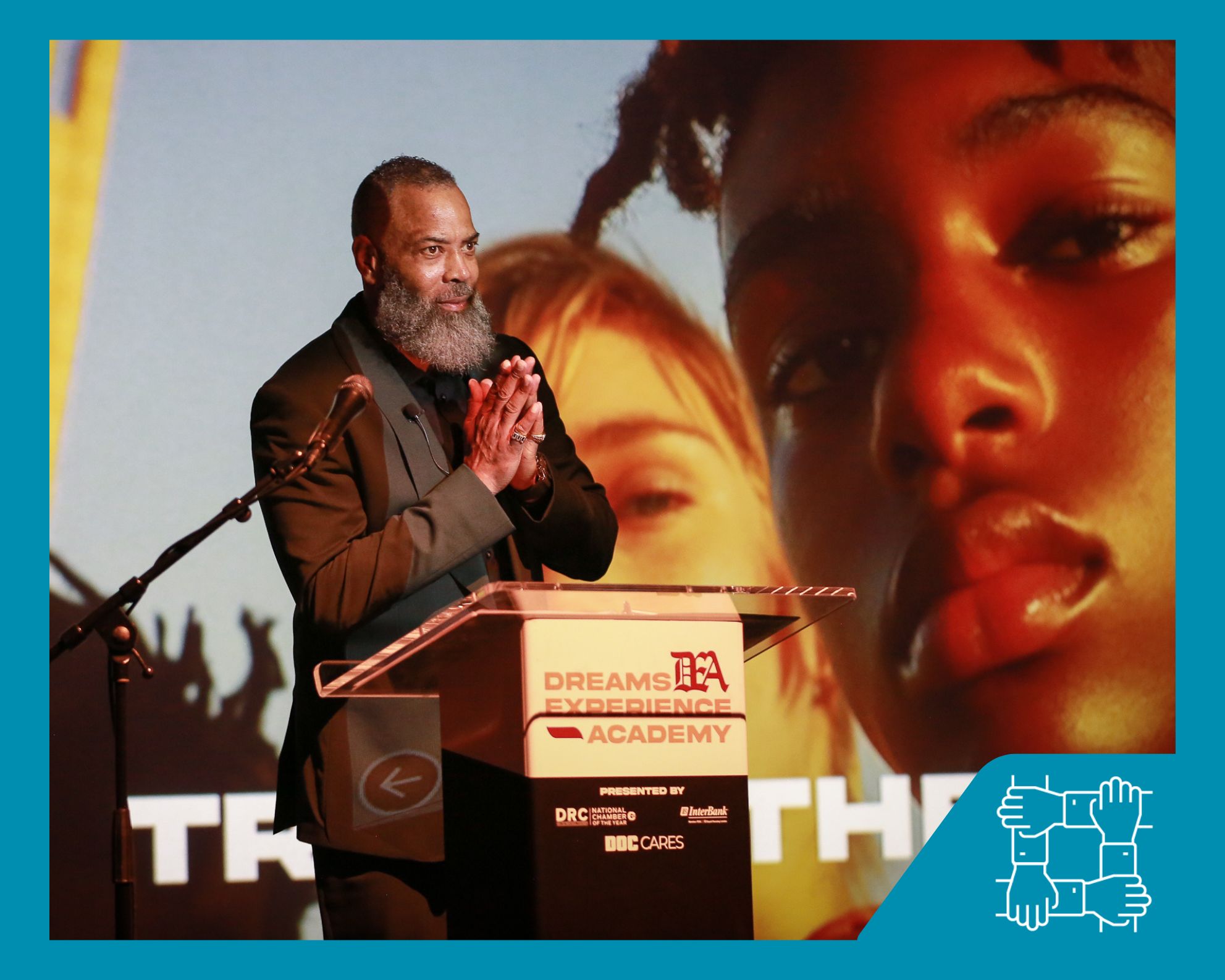
The DRC supported Grammy winner The D.O.C.’s vision for addressing student absenteeism through the Dreams Experience Academy.
DRC Event Highlights
Where vision meets action.
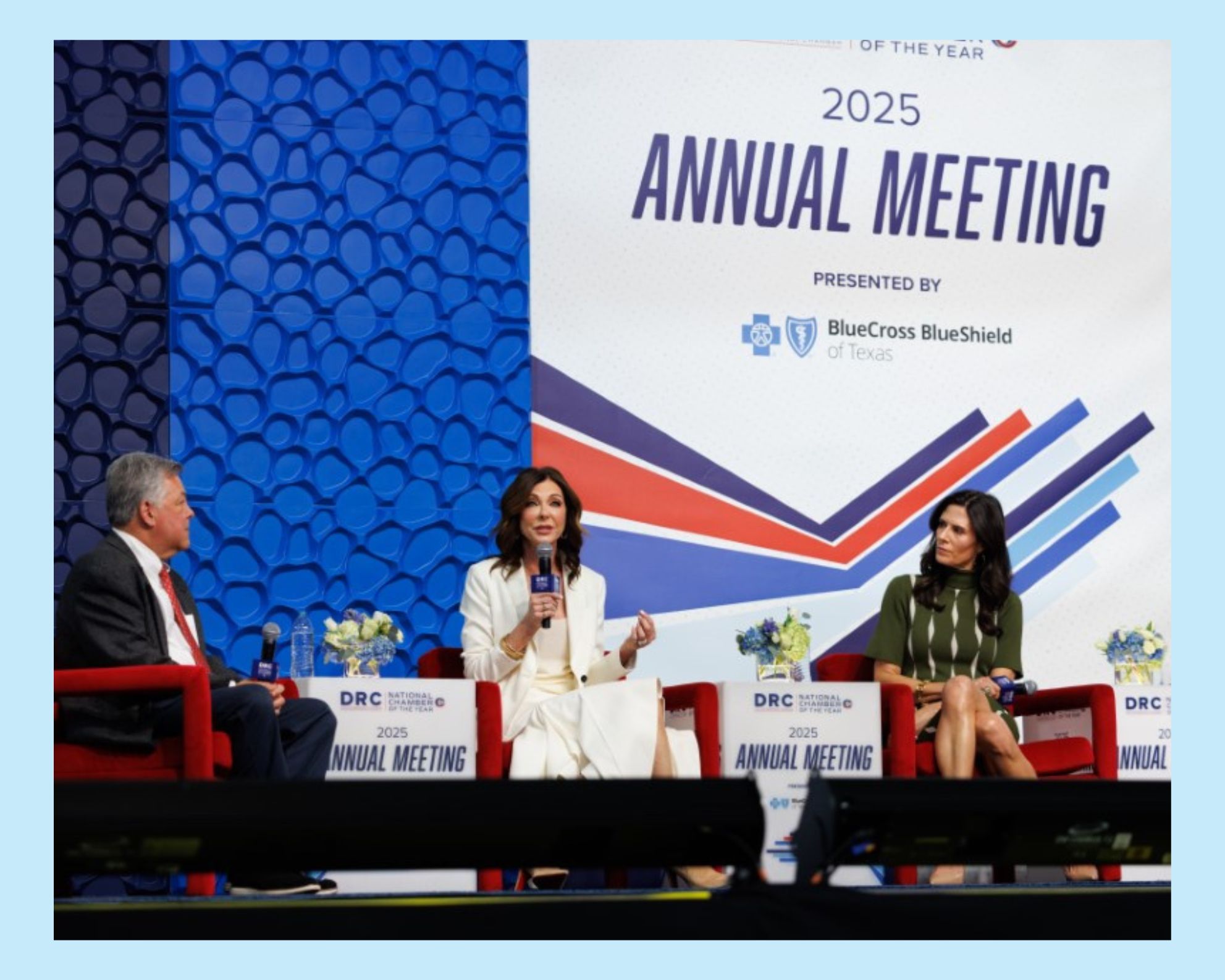
DRC Annual Meeting: Sports titans gathered to showcase the Dallas Region’s community-building power
Austin Fly-In: Business leaders united at the Texas Capitol to champion regional priorities
Convergence AI Dallas: AI leaders revealed game-changing business transformations at a summit in ‘North America’s AI powerhouse’
Opportunity Summit: More than 150 companies came together to explore Southern Dallas County’s strategic advantages and booming development opportunities
Our Annual Meeting celebrated a year of seizing opportunities “inside the winning locker room” at Globe Life Field.
Contact: Dana Jennings, Executive Vice President (Email)
Dale Petroskey, President and CEO of the Dallas Regional Chamber (DRC), today announced his intention to step down from his role at the end of 2025 after nearly 12 years leading the organization.
Petroskey, who will turn 70 in the coming weeks, cited personal reasons for his decision, including a desire to be more available for his family after his wife Ann’s pancreatic cancer diagnosis in December.
“I love this job and wish it could go on forever, but nothing lasts forever,” Petroskey said in an email to the DRC Board of Directors. “This time is right for me and my family, and it’s right for the DRC.”
He noted his goal of having his successor in place for the DRC’s 2026 Annual Meeting on Tuesday, Jan. 27, at the Morton H. Meyerson Symphony Center. Petroskey added that the time of his departure presents the next CEO with the opportunity to take ownership of the process for developing the DRC’s 2027-2029 Strategic Plan, which is set to begin in the coming months.
“Whoever succeeds me will be stepping into one of the most interesting and rewarding jobs in America,” Petroskey shared. “I’ll miss being in the middle of the action every day, meeting interesting new people and connecting good people to other good people who can help one another. That’s the nature of this job and one of the reasons I enjoy it so much.”
The DRC has retained executive search firm Russell Reynolds to lead the search for Petroskey’s successor.
“I’ll be running hard every day from now until the end of the year because we still have a lot of important work to do,” Petroskey said. “I want this selection process and the transition to be flawless so that the next CEO can take the DRC to the next level.”
At the DRC’s Board of Directors meeting on Thursday, July 10, Chair Jim Springfield, who is President of Blue Cross and Blue Shield of Texas, will propose a selection committee to work with Russell Reynolds. The proposed committee will be comprised of past and future Board Chairs, including Springfield.
“Dale is an exceptional leader who has elevated the Dallas Regional Chamber to new heights,” Springfield said. “His visionary approach, love of people, and commitment to going above and beyond traditional chamber work have made our region stronger and more competitive. I know I speak for many in our community when I say we will miss his leadership tremendously, but we’re grateful for the strong foundation he’s built and his commitment to a smooth transition process.”
Petroskey assumed the position of DRC President and CEO on April 1, 2014. Under his stewardship, the DRC’s annual budget has grown by more than 50%, allowing North Texas’ largest and only regional chamber to deploy money back into the community for high-impact initiatives, including $700,000 for the successful “Take Care of Business” campaign to get more people vaccinated against COVID-19, a minimum of $500,000 for the newly launched “Safe in the City” campaign to drive business development through community vibrancy in Dallas’ downtown, and positioning the Dallas Region as a hub for high-potential industries, including life sciences and applied artificial intelligence.
The DRC’s leadership of economic development efforts for the region has seen more than 300 companies choose the region for their headquarters since 2010. In Petroskey’s tenure, the number of Fortune 500 companies in Dallas-Fort Worth has grown by 33% and more than 70 Fortune 1000 companies are DRC members.
Petroskey’s approach to establishing the DRC as an “above-and-beyond chamber” culminated in 2022, when the DRC was named the National Chamber of the Year by the Association of Chamber of Commerce Executives.
Before arriving at the DRC, Petroskey’s career included service as Assistant White House Press Secretary to President Ronald Reagan, Senior Vice President at the National Geographic Society, and President of the National Baseball Hall of Fame.
As he prepares to add the DRC to his long list of distinguished positions held, Petroskey emphasized his commitment to his remaining tenure.
“The good news is I still have six months to go, and I’m going to savor every moment,” Petroskey concluded.
On Thursday, Jan. 16, Globe Life Field in Arlington was abuzz with energy from business leaders, community partners, and sports executives as the Dallas Regional Chamber (DRC) hosted its 2025 Annual Meeting, presented by Blue Cross and Blue Shield of Texas.
As the DRC’s largest event of the year, the Annual Meeting program celebrated the accomplishments of 2024, gave a glimpse into priorities for 2025, and showcased some of the Dallas Region’s greatest assets.
Petroskey welcomes attendees to the 2025 Annual Meeting
“I like to say that if you’re a member of the Dallas business community, you’re already on a winning team. But if you’re a member of the DRC, you’re inside the winning locker room,” said Dale Petroskey, DRC President and CEO. “This business community is a team—a team that likes working together. I think that’s why we’re so successful.”
The Annual Meeting marked one year since the DRC launched its 2024-2026 strategic plan, “Building Tomorrow Together.” At the 2024 Annual Meeting, 2024 Board Chair Cynt Marshall, then-CEO of the Dallas Mavericks, charged the business community with “seizing the moment” as the DRC’s strategic plan got underway.
“Today I’m delighted to report that we did indeed seize the moment to do good work,” said Marshall, now bearing the title of President and CEO of Marshalling Resources. “As I look out over this audience, I see amazing people who, in 2024, gave up their time, talent, and treasure to the citizens of Dallas and our region… You’ve made Dallas better.”
Petroskey encouraged attendees to explore the DRC’s 2024 Impact Report to see a full list of accomplishments from Marshall’s tenure as Chair.
At the end of her remarks, Marshall officially passed the baton to 2025 Board Chair Jim Springfield, President of Blue Cross and Blue Shield of Texas.
“I’m excited to work with all of you to bring a bright future to life for the Dallas Region,” Springfield said. “We have much to be proud of and so much more to achieve. Now, as we look ahead to 2025, the DRC’s focus is squarely on advancing initiatives that will drive long-term growth and prosperity for our region.”
Specifically, Springfield referenced the work the DRC and its member companies will do in Austin during the 89th Texas Legislative Session to advance its legislative agenda.
Exploring the power of sports business
L to R: Welts, Miller, Marshall, Petroskey, Jones, Leibman, Springfield, and Bibb pose after the program
The event’s centerpiece was a dynamic keynote panel moderated by Chuck Morgan, the legendary voice of the Texas Rangers, and featuring leaders from Dallas’ iconic sports franchises. The discussion underscored why the Dallas Region is the No. 1 market in the U.S. for sports business, according to the Sports Business Journal, and highlighted the industry’s community-building power.
“Sports is not just a passion… it’s a culture for our community and a lifestyle,” said Charlotte Jones, Chief Brand Officer and Co-Owner of the Dallas Cowboys. “It’s a place where all walks of life come together—every generation, every culture, everyone.”
Neil Leibman, President and COO of the Texas Rangers, credited Dallas’ passionate fan base and state-of-the-art facilities as cornerstones of its sports dominance, while Dallas Wings CEO and Managing Partner Greg Bibb highlighted the collaborative spirit among regional teams and the business community.
Rick Welts, sharing the stage with his peers for the first time as the Dallas Mavericks’ new CEO, spoke to the transformative power of sports leadership.
“We have an outsized opportunity to improve our communities,” Welts said. “[Sports] is the most hopeful thing we have in our society today, and we’re all just lucky to be a part of it.”
Bibb agreed, adding, “In an increasingly fragmented world, sports is the last great unifier.”
Gina Miller, Vice President of Broadcasting, Media & Communications for FC Dallas, highlighted the role of the media ecosystem in contributing to Dallas’ status in sports business.
“That’s why there’s so much value for these corporate partnerships for sports franchises,” Miller said. “It’s going to get covered, it’s going to get engagement… [sports] is always front-of-mind in those editorial meetings, I can guarantee you that.”
Gratitude for the business community and the privilege to work in the region was a throughline in the comments from the playmakers on stage.
Marshall, Petroskey, and Springfield share a laugh watching the keynote program from the dugout
“There’s not a day goes by where we don’t recognize the privilege we have to serve in the roles that we have, and it’s because of our fans and people like you that make that possible,” Jones said.
She continued, “Back in 1989, Mayor Annette Strauss gave [the Jones family] one piece of advice that’s never been more true. She said, ‘if you love Dallas, it will love you back.’ Rick, those are my words for you.”
In his comments, Arlington Mayor Jim Ross captured the spirit of Annual Meeting.
“There is no better community than North Texas when it comes to working together.”
THANK YOU TO OUR SPONSORS
PRESENTING
SPEAKER
SPONSOR RECEPTION
HAPPY HOUR
PLATINUM
MEDIA PARTNERS
GOLD
SILVER
Amazon | Capital One Bank | Fidelity Investments | Forvis Mazars | Haynes and Boone, LLP | The Men and Women of Hunt Consolidated, Inc. | Oncor | Southwest Airlines | Toyota Motor North America | Wells Fargo
BRONZE
Amegy Bank of Texas | Arcosa | Bank of America | DHD Films | Dallas Mavericks | Frost | Grant Thornton | HKS, Inc. | Troutman Pepper Locke | Slalom | Texas Instruments, Inc. | Thomson Reuters | The University of Texas at Arlington
Even before the COVID-19 pandemic, the state of Texas faced serious physician shortages in health care professions. Texas Tech University Health Sciences Center (TTUHSC) prioritizes building the health care workforce in Dallas and across Texas through nationally recognized education and partnerships with local independent school districts (ISDs) and health care providers, addressing the critical demand for health care professionals and strengthening community ties.
Within the Jerry H. Hodge School of Pharmacy, the faculty and pharmacy residents collaborate with other professionals across the enterprise, serving patients through partnerships with other health care institutions, community pharmacies and clinics. In 2021, the TTUHSC School of Nursing expanded its Traditional Bachelor of Science in Nursing (BSN) program by launching its first class at the Methodist Mansfield Medical Center site, benefiting from a partnership with the Methodist Health System and the area’s rapid growth and accessibility.
The Texas Comptroller reported in 2022 that the state had the fourth-lowest nurse-to-population ratio, with only 9.62 nurses per 1,000 residents. With 1,215 students from the greater DFW area enrolled across the university, TTUHSC continues its dedication to addressing workforce needs and expanding access to care.
While these partnerships with health care systems provide unparalleled opportunities for the students within the nursing and pharmacy programs, TTUHSC has taken an interest in igniting a passion for health care at an even younger age.
To form a robust health care workforce pipeline, TTUHSC makes strategic partnerships with local ISDs. The university’s programs ignite passion in young students early and utilize cutting-edge simulation training and hands-on experiences in the Dallas–Fort Worth region. Student training prepares young learners with the practical skills and up-to-date knowledge necessary to meet the demands of a rapidly-evolving industry.
In February 2024, the School of Nursing and the Jerry H. Hodge School of Pharmacy in Dallas hosted a visit for the NAF Academy – a national nonprofit that unites schools and businesses to better prepare students for college, career, and future success – in Dallas ISD, including students from Sunset High School, Hillcrest High School, Bryan Adams High School and Skyline High School. Students participated in hands-on experiences in the simulation center, including health assessment, IV insertion, maternal-fetal assessment and gastrointestinal tube management, as well as spending time in the School of Pharmacy sterile products lab, where they learned the correct handwashing procedures and important steps to follow as they prepared medication for IV bags. By working with a panel of students and faculty, high school students were engaged and able to learn about the nursing and pharmacy professions.
The Red Bag tours, which take place on campus, also allow students from across the Metroplex to learn about TTUHSC’s offerings in a similar way and deepen their interest in a health care career path. A key piece of what makes these events effective is that current students lead the experiences, connecting to younger students who are mere steps behind on their own journeys.
These partnerships help bridge the gap between academic understanding and real-world application, and create well-prepared professionals who are ready to enter the health care workforce. By fostering innovation and a passion for learning, students grow into better health care leaders, improve patient care and address health care shortages.
DFW HIGHER EDUCATION REVIEW
EXPLORE THE #1 REGION IN TEXAS FOR HIGHER EDUCATION
This story is published as part of the Dallas-Fort Worth Higher Education Review, published by the Dallas Regional Chamber to showcase how DFW’s colleges and universities are fueling excellence in our region and behind through unique data and stories covering a range of topics.
The University of Texas at Arlington (UTA) continues to play a critical role in maintaining and improving Texas infrastructure as more people move to the Lone Star State than ever before.
Several UTA researchers are currently working on state- and federally funded projects that promise to shape a more sustainable future for Texas and beyond. These projects include fixing and improving roads using plastic-infused asphalt, making concrete “greener,” developing ways to make highway bridges last longer and helping the state maximize road projects.
These projects are a testament to UTA’s high-quality faculty and the University’s commitment to finding innovative solutions for the state’s most significant infrastructure issues.
Plastic roads
Sahadat Hossain, director of UTA’s Solid Waste Institute for Sustainability (SWIS) and a professor in the Department of Civil Engineering, is passionate about eliminating waste. That passion led to the creation of plastic-infused asphalt that could offer a sustainable solution to road repair.
This project began five years ago with a $342,588 grant from the Texas Department of Transportation (TxDOT) to study the feasibility of plastic roads. Three years later, he received more than $1.5 million grants from the Dallas and Fort Worth districts of TxDOT. The Dallas project aims to implement the “plastic road” material on Texas highways and the Fort Worth project aims to improve the durability of highway pavement and shoulders. Such projects were a first in Texas.
“We are taking one problem, which is plastic pollution, and we’re using it to fix another problem: deteriorating roads,” Hossain said. “This is the perfect example of sustainable engineering solutions.”
Last year, his plastic material was used to repair sections of UTA parking lots. But he hasn’t stopped there. Hossain’s plastic-infused asphalt was laid on the road in Dhaka, Bangladesh. Hossain said that road has provided results that bode well for Texas, as it has been able to withstand extreme heat.
Concrete research
UTA is tackling the challenge of more eco-friendly concrete from another angle.
Maria Konsta-Gdoutos, a civil engineering professor and the associate director for the Center for Advanced Construction Materials, received a $10 million, five-year grant from the U.S. Department of Transportation (DOT) to create the Tier 1 University Transportation Center (UTC) for Durable and Resilient Transportation Infrastructure (DuRe-Transp).
With this grant, Konsta-Gdoutos aims to develop a new age of greener and more energy-efficient concrete with 30% lower manufacturing, operational and maintenance costs. It targets a 50% extended lifetime and a significant reduction in harmful net greenhouse gas emissions in transportation infrastructure.
“We will improve the durability, extend the life and make for cleaner transportation infrastructure,” Konsta-Gdoutos said. “This research will spearhead a holistic program to revitalize the nation’s transportation infrastructure and drive the development of standard guidelines for the formulation and deployment of the next generation of resilient and durable construction materials.”
Roads and bridges
Texas has the second-most bridges in the United States after California, 30% of which do not have sufficient height, width or capacity to handle the increasing volume and type of traffic using them.
That’s why Nur Yazdani, a civil engineering professor at The University of Texas at Arlington, received a three-year, $997,275 grant from TxDOT to evaluate the performance of selected deteriorating and aging highway bridges. His approach includes non-destructive evaluation (NDE), on-site load testing and computer simulation to help engineers determine the current condition of bridges and decide which need repair and how best to accomplish that.
This project could have far-reaching effects on bridge infrastructure nationwide.
Another project in the works could potentially touch all corners of Texas. Mohsen Shahandashti, an associate professor in the Department of Civil Engineering, received a $200,000 grant from TxDOT last year to develop a price estimation and visualization tool for the state agency.
This tool will aid TxDOT in assessing and pricing contracts for major infrastructure works.
“The unit price will be different in Amarillo than in the Rio Grande Valley or in Houston or in North Texas,” Shahandashti said. “How much a cubic foot of concrete costs in those different locales varies greatly. This tool will help TxDOT issue the right costs for a certain project in a certain part of Texas.”
Peter Crouch, dean of UTA’s College of Engineering, said the University is a hub of infrastructure research in Texas.
“It isn’t just the individual motorist who will benefit from these projects, it is the overall taxpayer,” Crouch said. “If we can dedicate a portion of the savings on roads to higher education or secondary schools or parks, everybody benefits.”
DFW HIGHER EDUCATION REVIEW
EXPLORE THE #1 REGION IN TEXAS FOR HIGHER EDUCATION
This story is published as part of the Dallas-Fort Worth Higher Education Review, published by the Dallas Regional Chamber to showcase how DFW’s colleges and universities are fueling excellence in our region and behind through unique data and stories covering a range of topics.
The University of Texas at Arlington (UTA) is investing in its faculty and its future with its recently launched Recruiting Innovative Scholars for Excellence initiative, or RISE 100.
RISE 100 represents a substantial investment in the future of UTA. Through this initiative, the University seeks to hire more than 100 new tenure-system faculty over the next three years, increasing the size of the faculty significantly. Hiring at this scale often takes up to 15 years; UTA seeks to achieve its faculty hiring goals by 2026.
“To create the impact we want on the state of Texas, our nation and beyond, we must expand our faculty and recruit innovative scholars who push the boundaries of discovery,” said Jennifer Cowley, president of UTA. “Our excellence as a national research university is defined by the success of our faculty and their contributions to our mission. In every corner of this campus, you will find researchers and scientists brimming with ambition, ingenuity and promise.”
UTA is hiring scholars with expertise in areas that impact Texas and the Dallas-Fort Worth Metroplex, supporting the growth and development of the region’s economy, society and culture. Areas of focus include cluster hires in community-engaged research, semiconductor technology and brain health—allowing UTA to immediately boost its expertise in these critical areas.
UTA’s first hire under the RISE 100 initiative was Hongtei Eric Tseng, a renowned expert in automotive vehicle autonomy with more than 100 U.S. patents to his name. Tseng helped develop or enhance self-driving capabilities, backup assist technology and roll stability control systems on Ford and Volvo vehicles.
Hongtei Eric Tseng
UTA recruited Tseng with key support from the Governor’s University Research Initiative, a program launched by Texas Governor Greg Abbott that helps the state’s public universities attract distinguished researchers who can help bolster both the standing of the state’s higher education institutions and its economic development efforts.
Another recently recruited faculty member, Kathleen Preble, joined UTA’s community-engaged research cluster, where she focuses on improving access to services among those impacted by gender-based violence and human trafficking.
New faculty like Tseng and Preble are indicative of the caliber of expertise coming to the University.
“UTA has a once-in-a-lifetime opportunity to hire faculty who will continue our trajectory as a research one university, pushing the boundaries of knowledge and advancing a robust culture of innovation and discovery,” said Tamara L. Brown, provost and senior vice president for academic affairs.
UTA is a laboratory for innovation, where business incubator programs and research collaborations support startups and established companies in sectors such as aerospace, health care and manufacturing, fueling economic growth, creating jobs and enhancing community vitality.
Examples of UTA ingenuity include:
A chemist and his graduate students developing the first methods to identify and characterize all the various irregular forms of amyloid beta, which researchers suspect may be key to the development of Alzheimer’s disease.
An electrical engineering researcher maximizing the power of light in the operations of semiconductor chips to make them more efficient, powerful and bright—with applications for self-driving vehicles, satellite technology and space exploration.
A public health researcher launching a program that teaches paramedics how to better identify and treat patients who could be suffering from dementia.
Located in the heart of the thriving Dallas-Fort Worth Metroplex, UTA serves more than 41,000 students and is both a Hispanic-Serving Institution and an Asian American Native American Pacific Islander-Serving Institution. In recent years, UTA has set its sights on monumental impact through research, achieving and maintaining the R-1: Doctoral University–Very High Research Activity designation from the Carnegie Classification of Institutions of Higher Education.
With its commitment to opportunity, academic excellence and groundbreaking discovery, UTA has reimagined what an elite research university can look like.
“Our distinctly Maverick approach is what makes us a national treasure,” Cowley said.
DFW HIGHER EDUCATION REVIEW
EXPLORE THE #1 REGION IN TEXAS FOR HIGHER EDUCATION
This story is published as part of the Dallas-Fort Worth Higher Education Review, published by the Dallas Regional Chamber to showcase how DFW’s colleges and universities are fueling excellence in our region and behind through unique data and stories covering a range of topics.
Driven to empower women with a new approach to women’s health, the Texas Tech University Health Sciences Center (TTUHSC) Laura W. Bush Institute for Women’s Health is actively shaping lives in communities across Texas, with a home base at the TTUHSC Dallas campus. As an important institute within TTUHSC, the Laura W. Bush Institute for Women’s Health has access to outstanding resources including physicians and researchers who have a passion for women’s health. The central office in Dallas helps the leadership team identify opportunities and speakers, enabling them to bring these resources into West Texas communities.
Current research shows that medical conditions often respond differently in men and women. The Laura W. Bush Institute for Women’s Health is devoted to revolutionizing health care by recognizing and treating women as individuals through scientific investigation, patient service and community impact.
Through a research grant program, the institute has provided more than $3.5 million in funding for clinical research helping to identify biological differences between men and women in dozens of medical conditions that had not been well studied. From there, the findings are put into practice through educational modules for medical, nursing and pharmacy students, including those enrolled at TTUHSC, as well as patients. This education ensures best practices are made available in clinics as soon as possible.
The institute serves Texas communities by coordinating events and activities across their five regional offices in Abilene, Amarillo, Dallas, Lubbock, the Permian Basin and San Angelo. Educational and inspirational speakers travel to speak to guests at luncheons and other events that take place across several locations—including author Mary Claire Haver, M.D., and other health and wellness experts. These insightful guest speakers encourage women to realize the importance of personalized medicine and advocate for themselves in health care situations. Each event helps attendees navigate the intricacies of women’s health more confidently and proactively.
The education provided by the institute covers a wide range of learners. In addition to empowering adult women, activities within the institute speak to younger Texans as well, visiting regions across the state to educate young girls and college students on health-related topics.
There are many area-specific opportunities and events, such as fundraising events and local outreach, where the institute offers services tailored to the specific needs of each region.
In April 2024, the institute held a “No Pain, All Gain: Bexa’s Portable Breast Health Solution” event in Dallas, where Monique Gary, M.D., the medical director for Bexa, and Senior Vice President for Research and Innovation at TTUHSC Lance McMahon, Ph.D., spoke and educated their audiences.
The Laura W. Bush Institute for Women’s Health is currently launching a program called “Access to Breast Health for Texans,” which uses portable Bexa Breast exams. They will offer “pop-up” clinics in churches and community centers in rural areas to better serve women who do not get mammograms regularly.
Through these activities and events, the institute’s initiatives serve to educate health care practitioners and students and ensure that women receive personalized, cutting-edge care. For 15 years, the Laura W. Bush Institute for Women’s Health has continued to work toward bringing women the personalized medical attention they deserve.
DFW HIGHER EDUCATION REVIEW
EXPLORE THE #1 REGION IN TEXAS FOR HIGHER EDUCATION
This story is published as part of the Dallas-Fort Worth Higher Education Review, published by the Dallas Regional Chamber to showcase how DFW’s colleges and universities are fueling excellence in our region and behind through unique data and stories covering a range of topics.
The University of Texas at Arlington’s innovative 150,000-square-foot Smart Hospital/School of Social Work Building sets the standard for nursing education in Texas.
The facility, which opened in 2023, features dozens of medical robots capable of simulating a wide variety of situations and conditions, including heart attacks, strokes, respiratory distress—even childbirth. The immersive tools allow students the chance to best prepare for what they can expect in the workforce.
The Smart Hospital also has 25 virtual reality (VR) headsets that provide students with three levels of course experience. Thanks to the VR environment, UT Arlington nursing students can experience simulation training in everything from mental health crises to trauma-care scenarios such as cardiac arrest, in which students must shock their patients with virtual defibrillators.
Clinical Assistant Professor Jennifer Roye, who is also assistant dean of simulation and technology in UTA’s College of Nursing and Health Innovation , said Smart Hospital technology allows students to expand their thinking.
“That’s what simulations are about,” Roye said. “You have a safe area where you can practice these skills.”
Though located in the heart of the Dallas-Fort Worth metroplex, the Smart Hospital—and UTA as a whole—is also emphasizing the medical needs of rural Texans. In 2024, UTA became the nation’s first university to use a new type of virtual immersion room as a nurse training tool.
The Igloo Immersion Room is a 13-foot-by-13-foot space made of screens that transports nursing students to anywhere their care skills could be needed, all in a safe, supervised space. Housed under UTA’s Center for Rural Health and Nursing, the Igloo primarily trains students on unique rural health situations, which can range from home health visits to more serious incidents.
“Our nursing students already use simulation in all of their clinical practice during nursing school, but this was a way for them to be able to get something that no other school has,” said Aspen Drude, manager of the Center for Rural Health and Nursing.
UTA President Jennifer Cowley notes that the Igloo is just the latest example of UTA’s commitment to leading on the forefront of nursing education.
“UTA is known for its innovation and the impact its nurses make across Texas,” she said. “This Igloo is one more example of our continued innovation.”
The Smart Hospital also shares space with UTA’s School of Social Work, opening the doors to unique learning opportunities for students looking to serve others.
“Collaborative work within this building will set the stage for the future of health care and social work,” says Tamara L. Brown, provost and senior vice president for academic affairs. “We know that when professionals in social work and nursing collaborate, patients have better outcomes.”
DFW HIGHER EDUCATION REVIEW
EXPLORE THE #1 REGION IN TEXAS FOR HIGHER EDUCATION
This story is published as part of the Dallas-Fort Worth Higher Education Review, published by the Dallas Regional Chamber to showcase how DFW’s colleges and universities are fueling excellence in our region and behind through unique data and stories covering a range of topics.
In spring of 2024, the Texas Tech University Health Sciences Center (TTUHSC) celebrated a ribbon cutting to mark the opening of their newly renovated Dallas campus. The Dallas location allows Dallas–Fort Worth area students access to TTUHSC’s prestigious programs without having to journey west. The university’s ties to the region have advanced health care in Texas for years, with many TTUHSC alumni currently living in the Dallas–Fort Worth Metroplex. Now, the state-of-the-art Dallas campus is a welcoming space that area students can call their own.
Home to the Jerry H. Hodge School of Pharmacy, multiple programs within the School of Nursing and the Laura W. Bush Institute for Women’s Health, the newly renovated classrooms and facilities in Dallas allow top-tier health care education for students and professionals in each of these fields.
The Jerry H. Hodge School of Pharmacy was the first TTUHSC school established in Dallas, educating students in the area since 1999. With more than 200 students in the Metroplex, learners get to pursue a wide variety of concentrations and treat a diverse group of patients in both rural and urban communities. The school proudly offers advanced research, training programs and resources, including considerable dedicated laboratory research space on the Dallas campus.
Hundreds of nursing students are living in the Dallas–Fort Worth region while completing TTUHSC programs online, at the Dallas campus and at a separate site in Mansfield. Students are enrolled in the Dallas and Mansfield-based BSN programs and online in the RN-BSN and graduate (MSN/DNP) programs. The School of Nursing also offers an accelerated BSN program, which started in 2013 and has graduated 223 students since its inception in Dallas. Cutting-edge facilities at the new Dallas campus include a simulation center, which helps students improve patient service and clinical judgment in a safe, high-tech learning environment.
The Dallas TTUHSC campus also continues to be the home base for the Laura W. Bush Institute for Women’s Health, which was established to create a new approach to women’s health care and has stood beside women and their health needs for more than 15 years. Additionally, TTUHSC officially welcomed The Cooper Institute as part of its organization in November 2024 with the unveiling of its new name—the Kenneth H. Cooper Institute at Texas Tech University Health Sciences Center. The institute focuses on research and education to promote preventive medicine across all stages of life.
The university aims to better lives in Texas by elevating Dallas, influencing and enhancing health care in markets across the state.
“Our goal for our Metroplex location is to make our nationally recognized academic instruction accessible in order to help address the shortage of health care professionals,” says TTUHSC President Lori Rice-Spearman, Ph.D.
With 1,314 students from the Dallas–Fort Worth Metroplex enrolled across the TTUHSC enterprise, the renovated facilities on the Dallas campus provide a space where students in the community can conduct innovative learning and collaborate with fellow students and professionals to help shape the future of health for the Metroplex and for the state.
DFW HIGHER EDUCATION REVIEW
EXPLORE THE #1 REGION IN TEXAS FOR HIGHER EDUCATION
This story is published as part of the Dallas-Fort Worth Higher Education Review, published by the Dallas Regional Chamber to showcase how DFW’s colleges and universities are fueling excellence in our region and behind through unique data and stories covering a range of topics.





 “The DRC is poised to continue as a convening agent for all the elements that contribute to the quality of life for our citizens—vibrant educational institutions, effective economic development initiatives, innovative regional partnerships, unique leadership development opportunities, and a continuing commitment to our community,” Cheves said. “I look forward to contributing to the ongoing growth of the DRC as we enter an exciting new era of opportunity for our region.”


 Dale Petroskey, President and CEO of the Dallas Regional Chamber (DRC), today announced his intention to step down from his role at the end of 2025 after nearly 12 years leading the organization.















 Within the Jerry H. Hodge School of Pharmacy, the faculty and pharmacy residents collaborate with other professionals across the enterprise, serving patients through partnerships with other health care institutions, community pharmacies and clinics. In 2021, the TTUHSC School of Nursing expanded its Traditional Bachelor of Science in Nursing (BSN) program by launching its first class at the Methodist Mansfield Medical Center site, benefiting from a partnership with the Methodist Health System and the area’s rapid growth and accessibility.
 Several UTA researchers are currently working on state- and federally funded projects that promise to shape a more sustainable future for Texas and beyond. These projects include fixing and improving roads using plastic-infused asphalt, making concrete “greener,” developing ways to make highway bridges last longer and helping the state maximize road projects.
  “We are taking one problem, which is plastic pollution, and we’re using it to fix another problem: deteriorating roads,” Hossain said. “This is the perfect example of sustainable engineering solutions.”
 RISE 100 represents a substantial investment in the future of UTA. Through this initiative, the University seeks to hire more than 100 new tenure-system faculty over the next three years, increasing the size of the faculty significantly. Hiring at this scale often takes up to 15 years; UTA seeks to achieve its faculty hiring goals by 2026.
 The education provided by the institute covers a wide range of learners. In addition to empowering adult women, activities within the institute speak to younger Texans as well, visiting regions across the state to educate young girls and college students on health-related topics.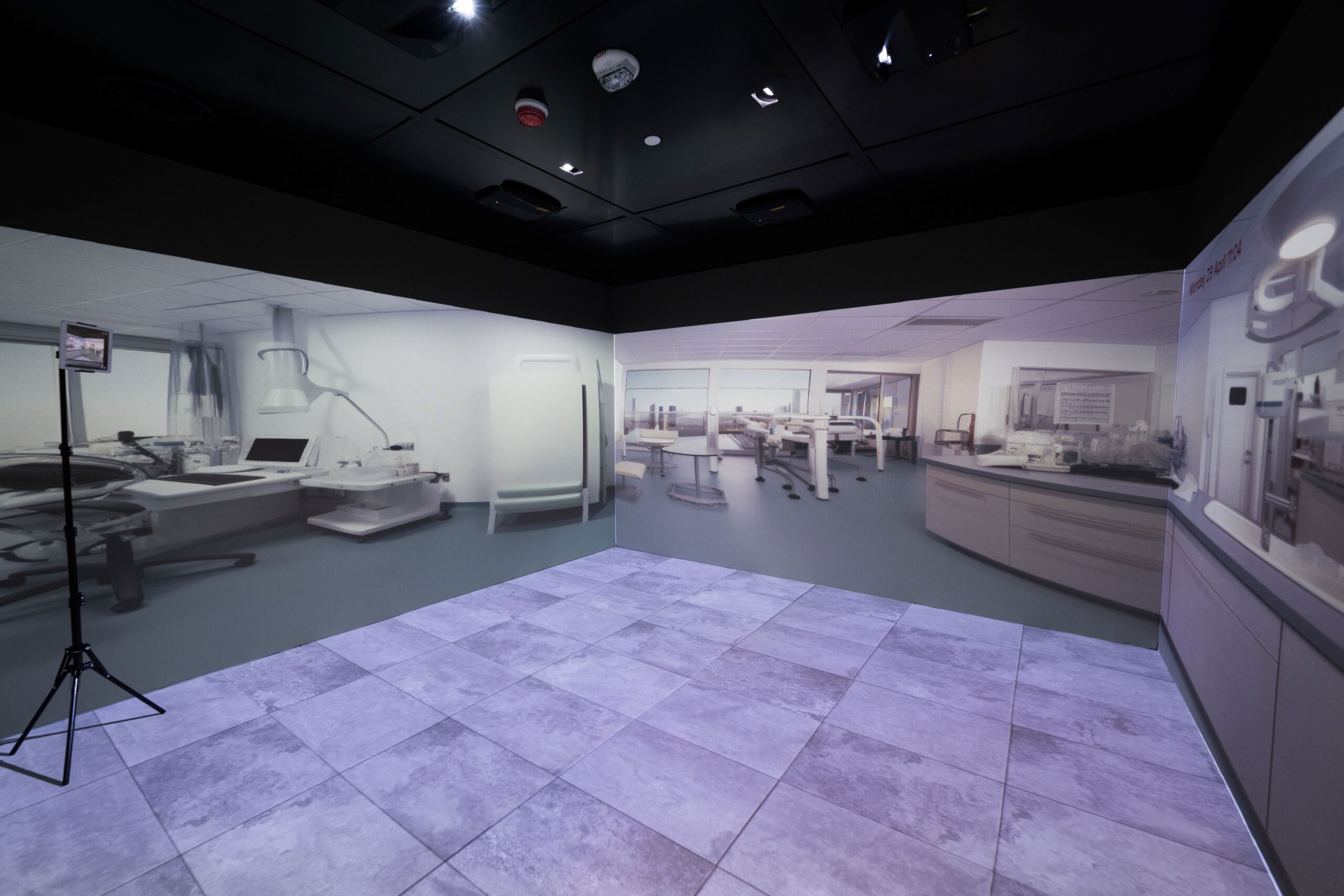

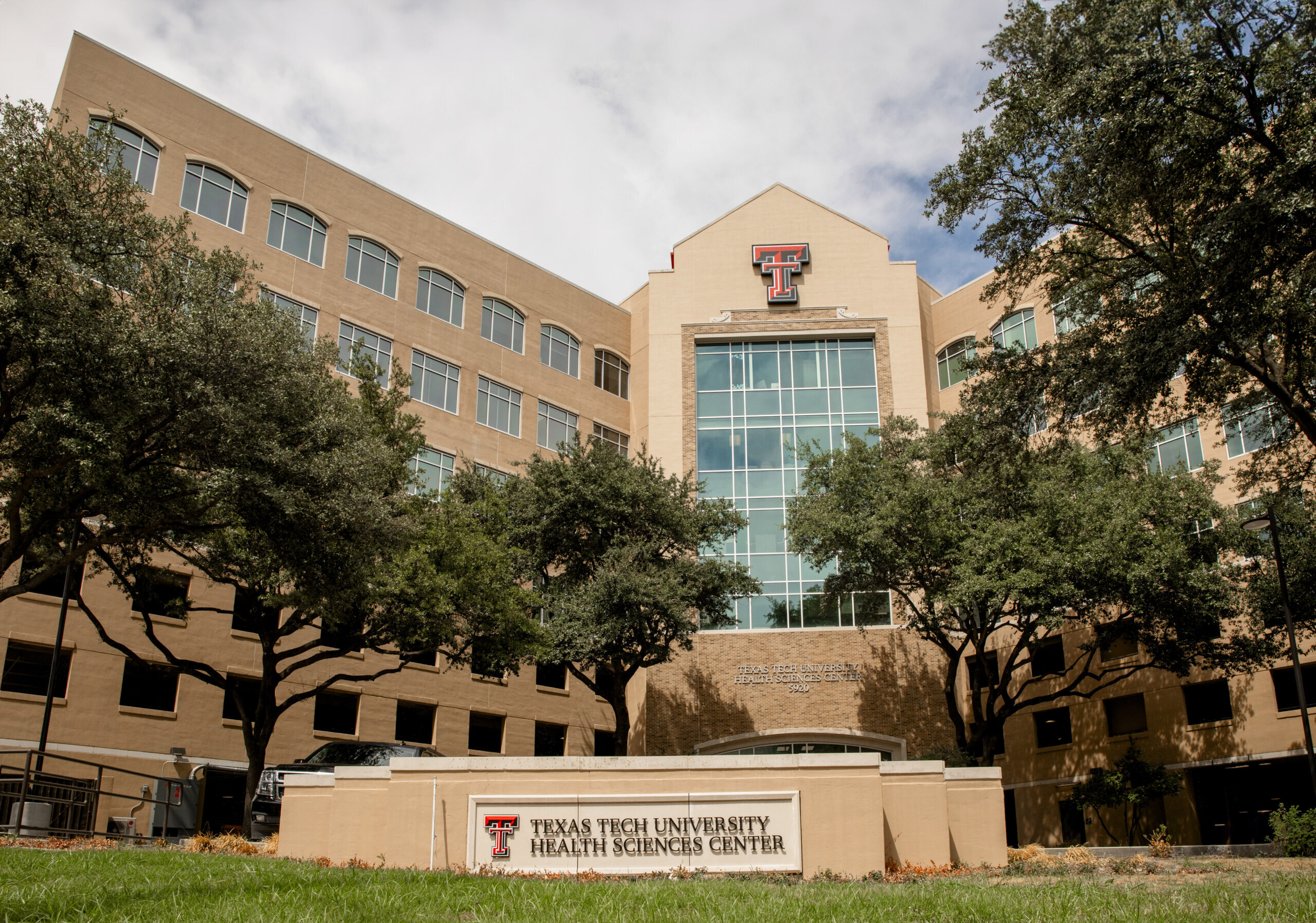 In spring of 2024, the Texas Tech University Health Sciences Center (TTUHSC) celebrated a ribbon cutting to mark the opening of their newly renovated Dallas campus. The Dallas location allows Dallas–Fort Worth area students access to TTUHSC’s prestigious programs without having to journey west. The university’s ties to the region have advanced health care in Texas for years, with many TTUHSC alumni currently living in the Dallas–Fort Worth Metroplex. Now, the state-of-the-art Dallas campus is a welcoming space that area students can call their own.
 Hundreds of nursing students are living in the Dallas–Fort Worth region while completing TTUHSC programs online, at the Dallas campus and at a separate site in Mansfield. Students are enrolled in the Dallas and Mansfield-based BSN programs and online in the RN-BSN and graduate (MSN/DNP) programs. The School of Nursing also offers an accelerated BSN program, which started in 2013 and has graduated 223 students since its inception in Dallas. Cutting-edge facilities at the new Dallas campus include a simulation center, which helps students improve patient service and clinical judgment in a safe, high-tech learning environment.