
By HED
Average reading time: 2.5 minutes
HED is a national, integrated design firm delivering architecture and engineering solutions across the country, with a growing presence in Dallas and work spanning community, health care, housing, education, science and technology, mission critical, federal and workplace sectors. Recognized among the top 200 design firms in the U.S. and named a 2025 Best and Brightest Company to Work For, HED brings together a richly diverse team to help clients navigate complexity and shape thoughtful environments that perform.
In Dallas, HED approaches each project with the understanding that the spaces they create carry consequence, shaping decisions that influence long-term endurance, community impact and economic resilience.
How does HED help its clients build value?
Our integrated design process brings architecture, engineering and systems thinking to the table on day one—allowing clients to align cost, performance and long-term value early in the process.
Rather than the traditional method of working in silos, this method brings greater clarity and allows for smarter choices, fewer surprises and stronger outcomes over time. Our integrated approach also allows us to work across sectors where we’re seeing increasing overlap, particularly between housing, education and community infrastructure, as clients look for more connected, multi-use solutions to support growth.
In Dallas, we’re actively partnering with national and regional developers on high-rise and mixed-use projects, many of them housing-driven, helping align design, cost and operations early so projects are viable and positioned to perform over time. We also bring national experience in repositioning existing assets, across commercial, retail and mixed-use environments, helping clients adapt to shifting market demands while unlocking long-term value from what already exists.
By getting it right early, we help our clients make smart decisions, reduce risk and, together, shape spaces that meet today’s goals while staying ready for what’s next.
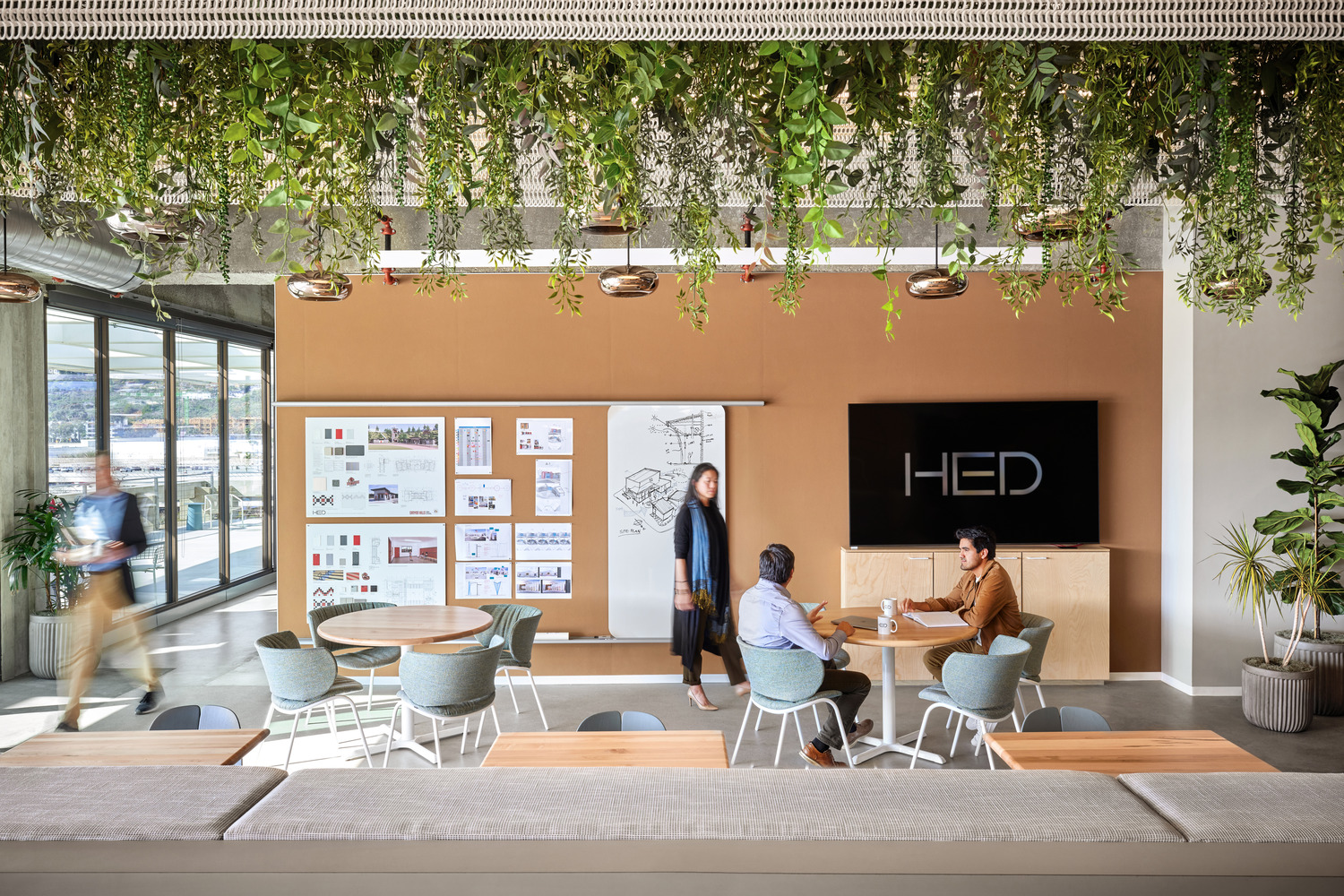 What differentiates HED within your industry?
Integration is easy to claim and difficult to practice. For us, it’s structural. Our teams are deliberately built across disciplines, which means design is never separated from performance. Energy, infrastructure, sustainability, user experience and long-term adaptability are considered together, not layered on later.
Equally important is how we think. We approach each project with a level of care that goes beyond solving the immediate problem. We ask what the project needs to do five, ten, twenty years from now—and what it needs to protect in the process, whether that’s operational stability, financial viability or human experience.
What benefits does HED enjoy by doing business in the Dallas region?
Dallas is a place where growth is visible, immediate and consequential. That pace creates a unique environment for design. Projects here are often tied to expansion, relocation or reinvestment, which means they carry both urgency and long-term stakes, with no room for misalignment.
At the same time, the region offers an extraordinary mix of opportunity and talent. Clients are ambitious, and the workforce is both deep and diverse. It’s a setting that rewards clarity of thinking and speed of execution but also demands responsibility in how growth is shaped.
For us at HED, Dallas is not just a market we serve. It’s a community we’re part of, which brings a personal level of thoughtfulness to our work and a deeper responsibility to the people and places each project touches.
Why did HED become a DRC member?
We see the DRC as a convener of momentum. Its work brings together business, civic leadership and industry in a way that directly influences how the region evolves. That alignment matters, particularly in a market experiencing this level of growth.
Our interest in the DRC is rooted in participation. We want to contribute to conversations around infrastructure, housing, and economic development, and to support initiatives that strengthen the region over time. Being part of the DRC allows us to engage more directly in shaping the future of Dallas, not just responding to it.
How has HED changed in the past five years?
The last five years have sharpened our focus.
We’ve expanded our work at the intersection of design and strategy, helping clients think beyond individual projects to broader systems—portfolios, campuses and long-term investments. That shift reflects a growing need: clients are navigating more complexity, and design plays a larger role in how they manage it.
We’ve also advanced how we use data, technology and integrated collaboration to inform decisions earlier and with greater precision. The goal is clarity. For us, it’s about giving clients better insight and more accurate predictions into how their projects will perform before they are built.
At the same time, the core of our practice remains unchanged. We are still, at our foundation, a firm that believes thoughtful design can improve how people live, work, and connect. That our work has the power to enrich our communities. The difference now is the scale at which we’re able to deliver on that conviction.