By Makayla Rosales, Coordinator, Diversity, Inclusion & Community Engagement
February is a time to celebrate Black excellence and recognize the profound impact Black Americans made throughout history. The contributions of Black thinkers, scientists, authors, political leaders, athletes, and countless others have shaped every aspect of American society, creating a foundation that continues to influence our nation.

Black History Month also provides an opportunity to reflect on the struggles Black Americans have faced, both individually and systemically, throughout history and into the present. It is a time to honor their strength, resilience, and perseverance in the face of relentless oppression while acknowledging the ongoing fight for equality and justice that continues today.
In 1897, Mary Church Terrell, a teacher and activist, convinced the Washington, D.C. school board to dedicate Feb. 14 to honoring the life and work of civil rights leader Frederick Douglass. This observance evolved into Douglass Day, marking the first step in a decades-long movement that ultimately led to the creation of Black History Month.
Dr. Carter G. Woodson, known as the “Father of Black History,” established the first “Negro History Week” in 1926 to honor the contributions of Black Americans. He chose February, as it coincided with existing celebrations of Abraham Lincoln’s birthday on the 12th and Frederick Douglass’s birthday on the 14th. By 1970, many U.S. cities were already observing Negro History Week, and Kent State University became the first institution to expand it into Black History Month. In 1976, President Gerald Ford officially recognized Black History Month, encouraging its national celebration.
Engage in the Workplace

Companies can participate in Black History Month by staying mindful of its purpose and intention, ensuring their efforts go beyond surface-level recognition. Whether through education, advocacy, or support, businesses have the opportunity to make a meaningful impact. By actively studying and celebrating Black history, companies can broaden their understanding, address knowledge gaps, and foster greater empathy within their workforce and communities.
To educate themselves, companies can host workshops, feature speakers, or partner with local organizations that specialize in Black history and culture. Encouraging employees to read books, watch documentaries, or participate in panel discussions can also deepen their understanding. Additionally, supporting Black-owned businesses and initiatives shows a tangible commitment to uplifting the community. This could involve investing in Black entrepreneurs, providing mentorship opportunities, or sourcing from Black-owned suppliers. Highlighting the contributions of Black individuals in the workplace through celebrations or recognition programs also reinforces the importance of inclusion. This approach not only honors the month’s significance but also contributes to ongoing efforts for equality and inclusion.
Attend an event
If you are interested in bringing your team, friends, or family to local festivities celebrating Black History Month, here are some local events.
Rob Holbert Jazz and Blues Music Performance– 5:45-6:45 p.m., Saturday, Feb. 1, 2025
North Oak Cliff Branch Library, 302 West Tenth St., Dallas, TX 75208
In celebration of Black History Month, the Dallas Public Library is partnering with the Office of Arts and Culture’s Community Artist Program to host Mr. Rob Holbert to perform a mixture of Jazz and Blues music and educate attendees on its historical significance.
Black History Month Celebration– 2-3 p.m., Saturday, Feb. 8, 2025
Mesquite Public Library, 2600 Oates Dr., Mesquite, TX 75150
Join in celebrating Black History Month with a story and music program brought to you by Percussion Things. Listen to stories about Black Americans who paved the path forward, adding their contributions to America’s history.
African American Read-In– 11 a.m.-3 p.m., Saturday, Feb. 15, 2025
African American Museum of Dallas, 3536 Grand Avenue, Dallas, TX 75210
Hear students and community leaders read works by their favorite African American writers and poets.
Meals and Memories: a Community Tasting for Black History Month– 4-6 p.m., Saturday, Feb. 22, 2025
Erik Jonsson Central Library, 1515 Young St. Dallas, TX 75201
Enjoy a selection of small plates inspired by a traditional Arkansan brunch, created by Dallas Chef Shanay Wise of Catering Done Wisely. Meals and Memories is a series of free programs designed to honor the family history & genealogy preserved in our ancestral foodways through food, conversation, and preservation. Register here.
Other February holidays to celebrate
In February, there are several notable holidays, including Groundhog Day on Sunday, Feb. 2, where a groundhog’s behavior is said to predict the weather for the coming weeks. National Freedom Day on Saturday, Feb. 1 commemorates the signing of the 13th Amendment that abolished slavery. Presidents’ Day is on the third Monday of the month, a federal holiday that honors the U.S. presidents, particularly George Washington and Abraham Lincoln. Overall, February encompasses the importance of reflecting on our nation’s heritage and finding ways to continue to progress.

 Putting It All Together: Interprofessional Opportunities
 The partnership will allow UNT Dallas students to pursue a traditional Bachelor of Science in Nursing at The University of North Texas Health Science Center at Fort Worth (UNTHSC). This agreement leverages the strengths of both institutions to provide students with a comprehensive and accessible nursing education.
 Over the summer, ASP students participated in a three-day STEM Summer Institute featuring keynote speakers, interactive robotics engagements, and best practice support using AI and various innovative technologies.
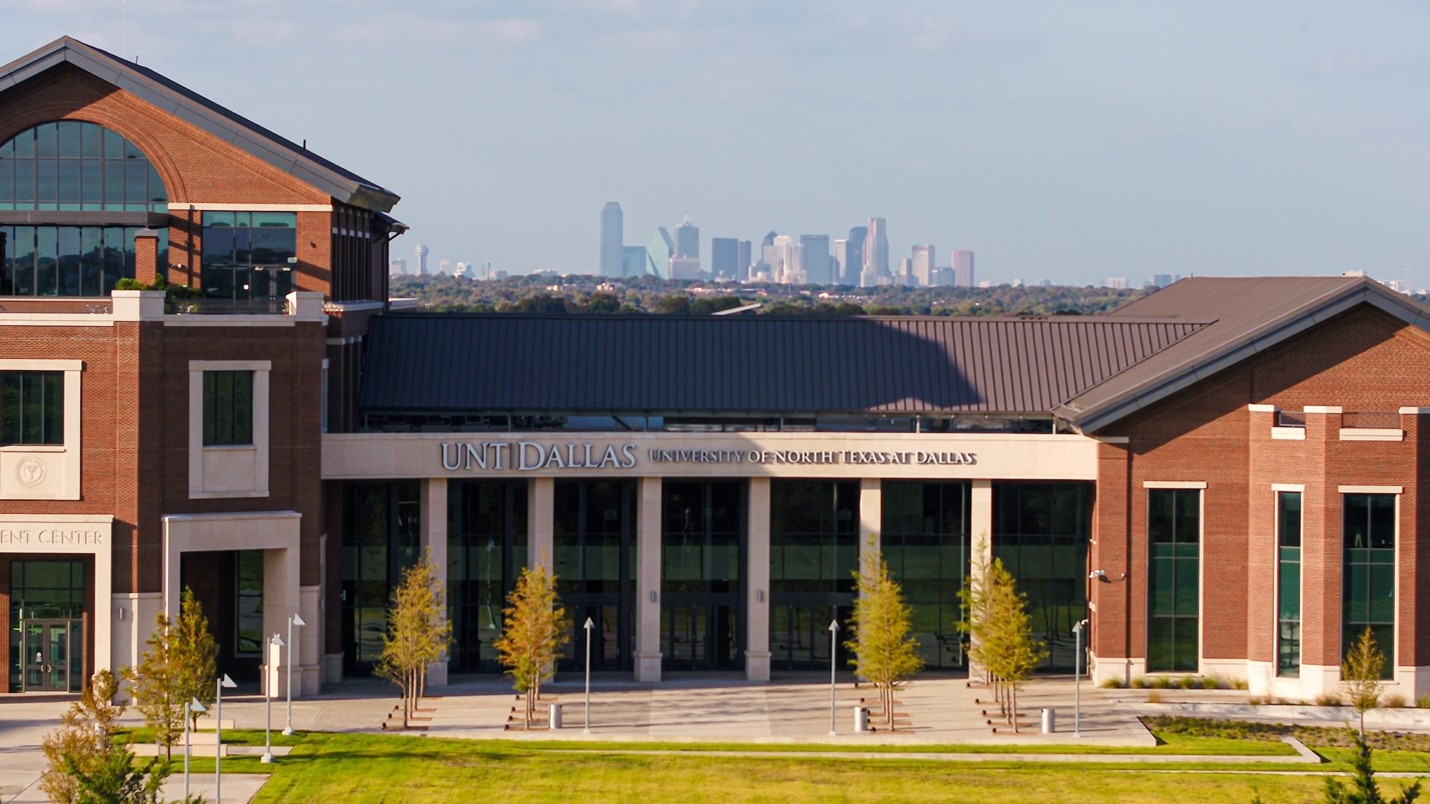 This is one of several STEM-focused initiatives underway at UNT Dallas. In late 2025, a new, state-of-the-art $100 million STEM building will open, featuring multiple classrooms, laboratories, and a green learning environment that brings campus landscaping inside.


 Grant noted that, besides the expense associated with flight training, a deep commitment from the student is essential to complete what is considered a lengthy process to gain all the essential certifications on the way to becoming a pilot for a commercial airline. Even with a a bachelor’s degree through Texas Woman’s aviation program, a prospective pilot would need to log a required 1,000 hours of flying time before he or she could obtain an air transport pilot’s certificate, which is the certification required to become a commercial pilot for a major airline.
  The value of competency-based education
 East Texas A&M’s CBE programs are designed to address skills gaps in key industries, including education, healthcare and law enforcement.
 Community college students are often inundated with challenges that can force
 AI’s impact is already being felt at UT Southwestern Medical Center, where the technology is propelling research discoveries forward in laboratories, clinics, and classrooms across campus.
  The Center for Harsh Environment Semiconductors and Systems (CHESS) addresses a demand for materials and devices that can withstand extreme temperatures, radiation and challenging mechanical conditions. CHESS is the first initiative of UT Dallas’ new
  The proof-of-concept technology can detect even trace amounts of fentanyl with 98% accuracy using a small portable device without costly and time-consuming lab analysis. A study demonstrating the device was published in the Jan. 10 print edition of
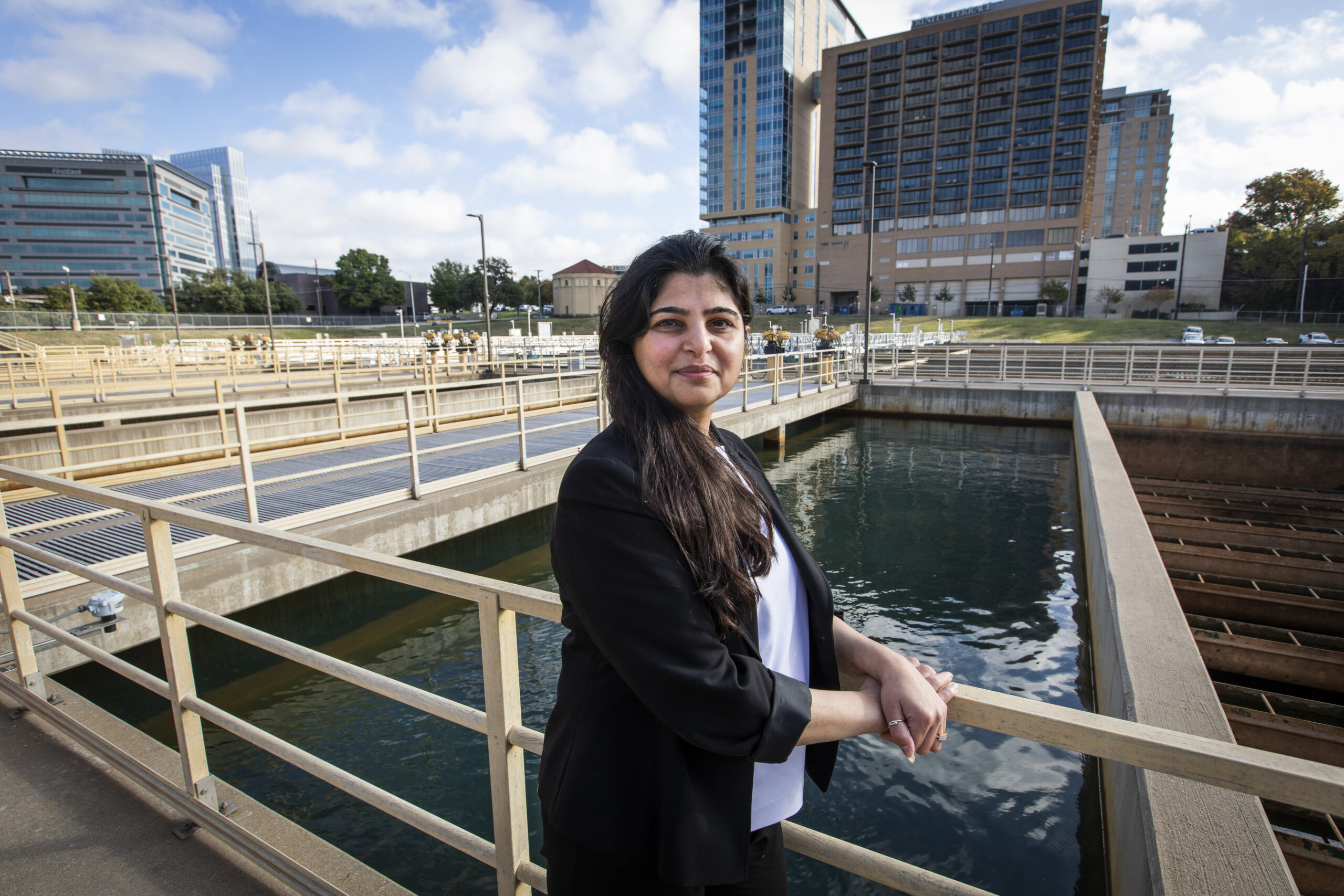
  FR systems are increasingly showing up in airports, stadiums, at borders and more. Their rapid expansion is increasing the need for ethically-sourced synthetic datasets that improve how FR algorithms recognize race and gender and mitigate the model performing better for specific demographics than others.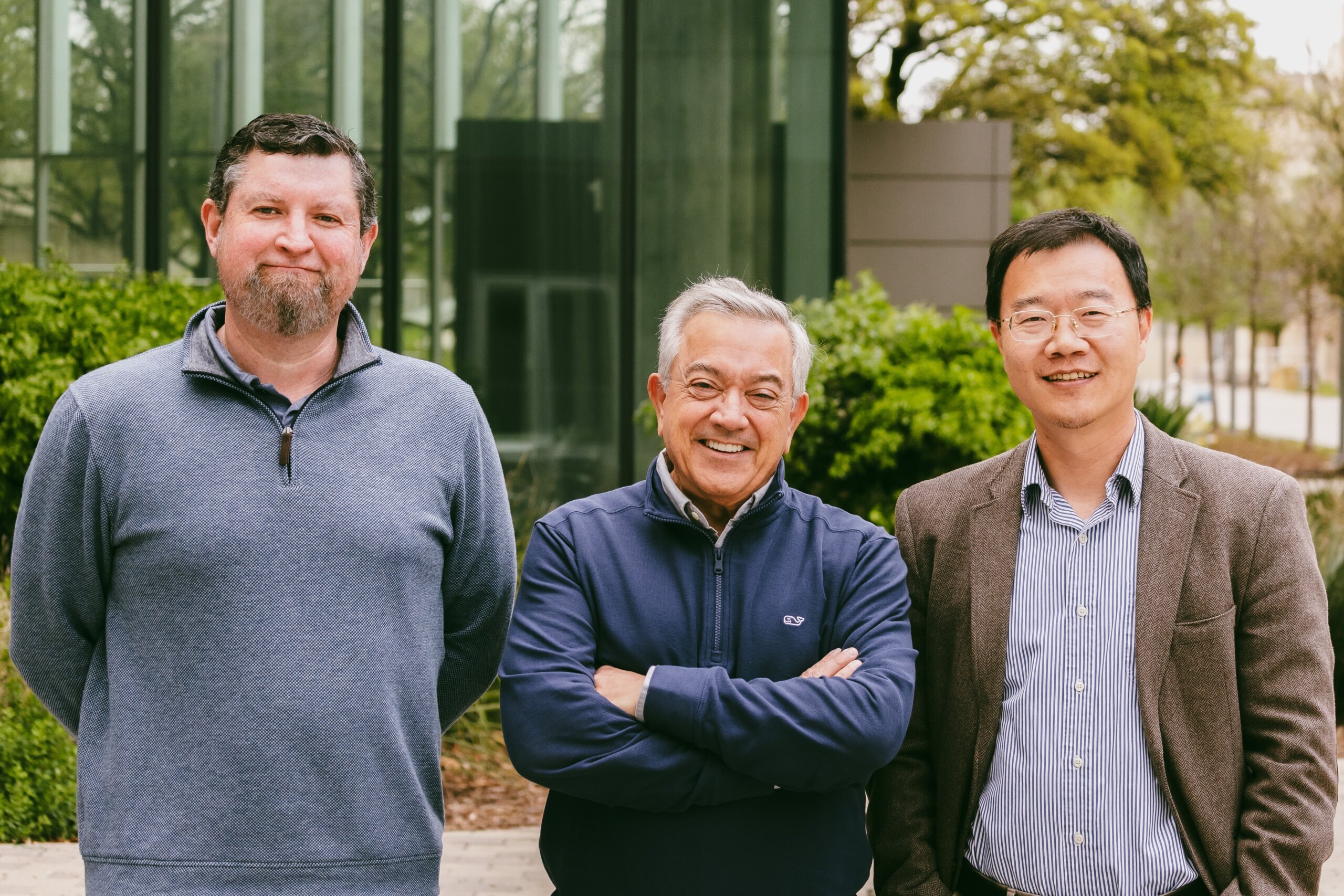

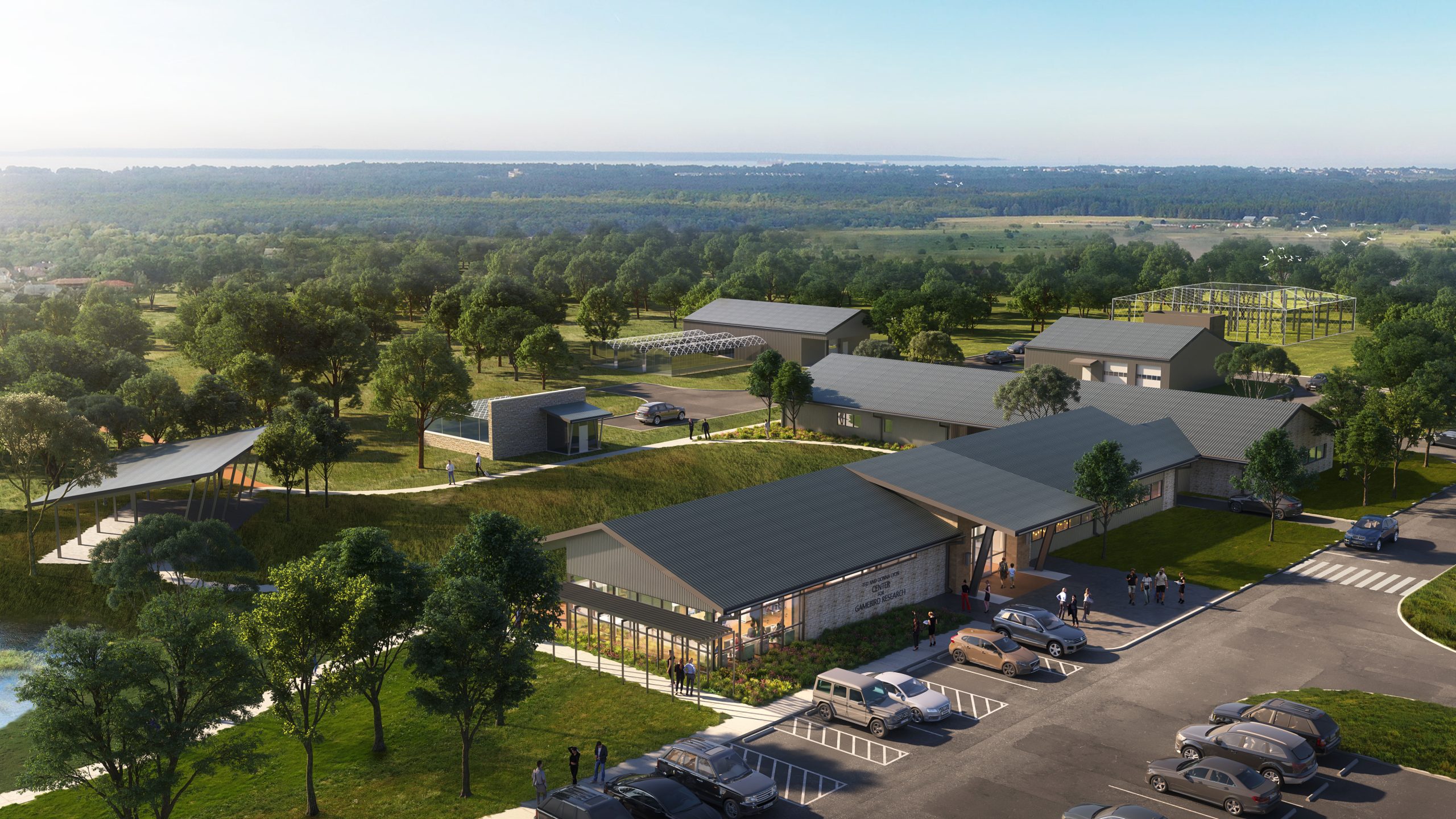 Gamebird Research at East Texas A&M: A Beacon of Hope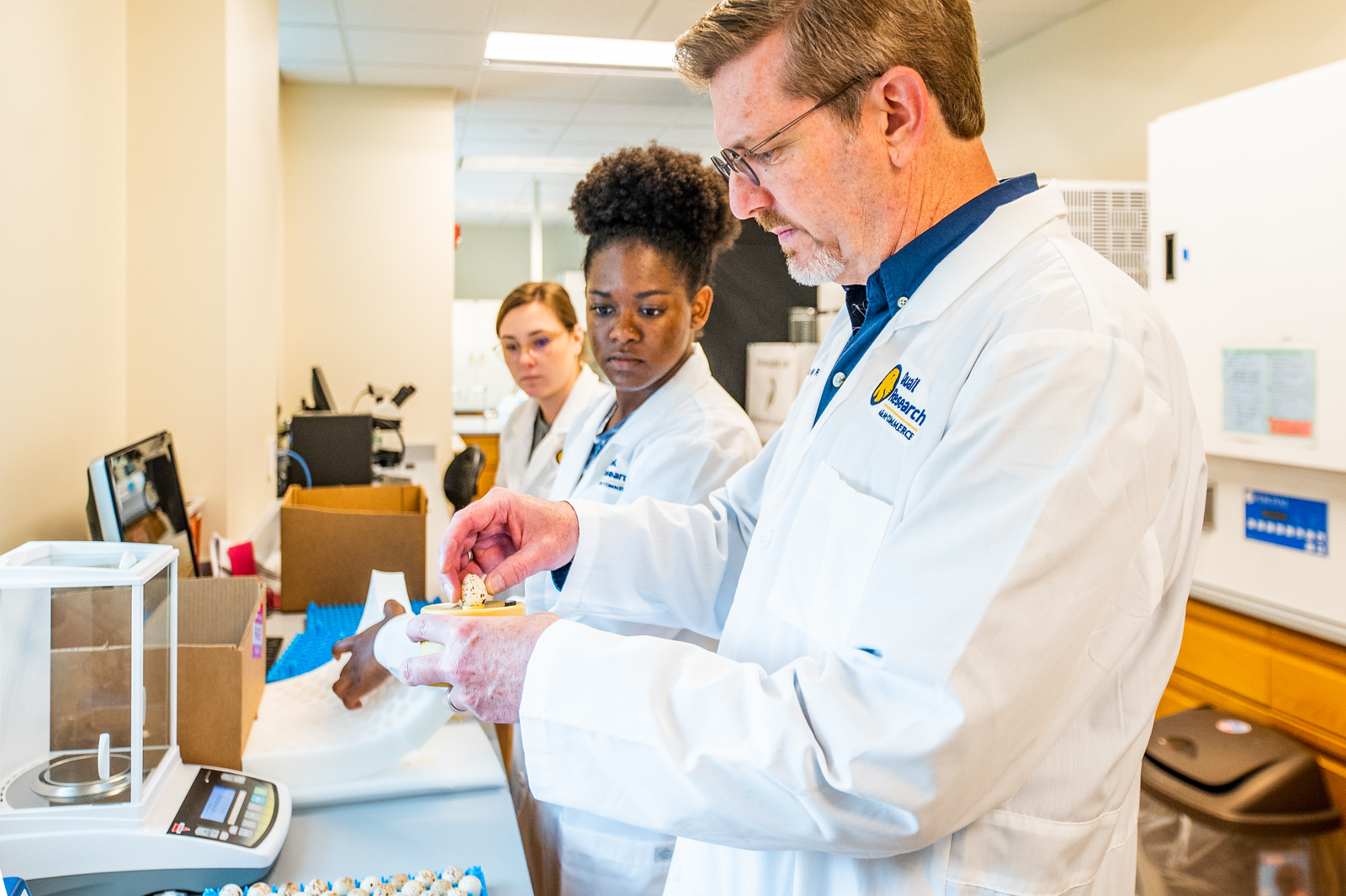

 The journal’s Anthony Cerami Award in Translational Medicine was awarded to Dr. Michael Kilgard, the Margaret Fonde Jonsson Professor of neuroscience in the School of Behavioral and Brain Sciences; Dr. Robert Rennaker, professor of neuroscience and the Texas Instruments Distinguished Chair in Bioengineering; and Dr. Seth Hays, associate professor of bioengineering, Fellow and Eugene McDermott Professor in the Erik Jonsson School of Engineering and Computer Science.
 UNT’s research initiatives also drew investment from the state. In 2023, Texas lawmakers approved more than $3 billion in a new research endowment, the Texas University Fund (TUF), for emerging research institutions across the state, including UNT. The investment from the state will deliver more than $20 million in additional annual research funding to UNT.