
By Catie George, Director, Communications & Storytelling
Average reading time: 4 minutes
The Dallas Regional Chamber’s Talent Talk, presented by BGSF and Holmes Murphy, brought together workforce experts and business leaders on Wednesday, Aug. 6, at the DRC for an insightful discussion on the evolving talent landscape and strategies for building resilient, family-friendly workplaces. Below are the key insights shared by the day’s speakers.
The modern workforce demands flexibility
The workforce landscape has fundamentally shifted, requiring employers to adapt their approaches to talent management and retention. Sadie Funk, Co-Founder and National Director of Best Place for Working Parents®, highlighted the dramatic transformation of today’s workforce composition.
“The reality is that today, two-thirds of children under the age of six have all parents in the workforce. 75% of the workforce in general are caregivers,” Funk explained.
This shift extends beyond child care responsibilities. Workers may be caring for elderly loved ones or adult dependents, meaning “the workforce today looks drastically different than it did 30, 20, even 10 years ago, so employers are charged to respond differently.”
The data reveals compelling statistics about flexibility’s impact on retention and engagement.
According to Funk, “66% of women who have access to flexibility say they’ll stay for three years or more, compared to 19% of women who say they won’t,” and “employees with remote benefits are 75% more likely to be often or always engaged.”
Building family-friendly workplaces drives results
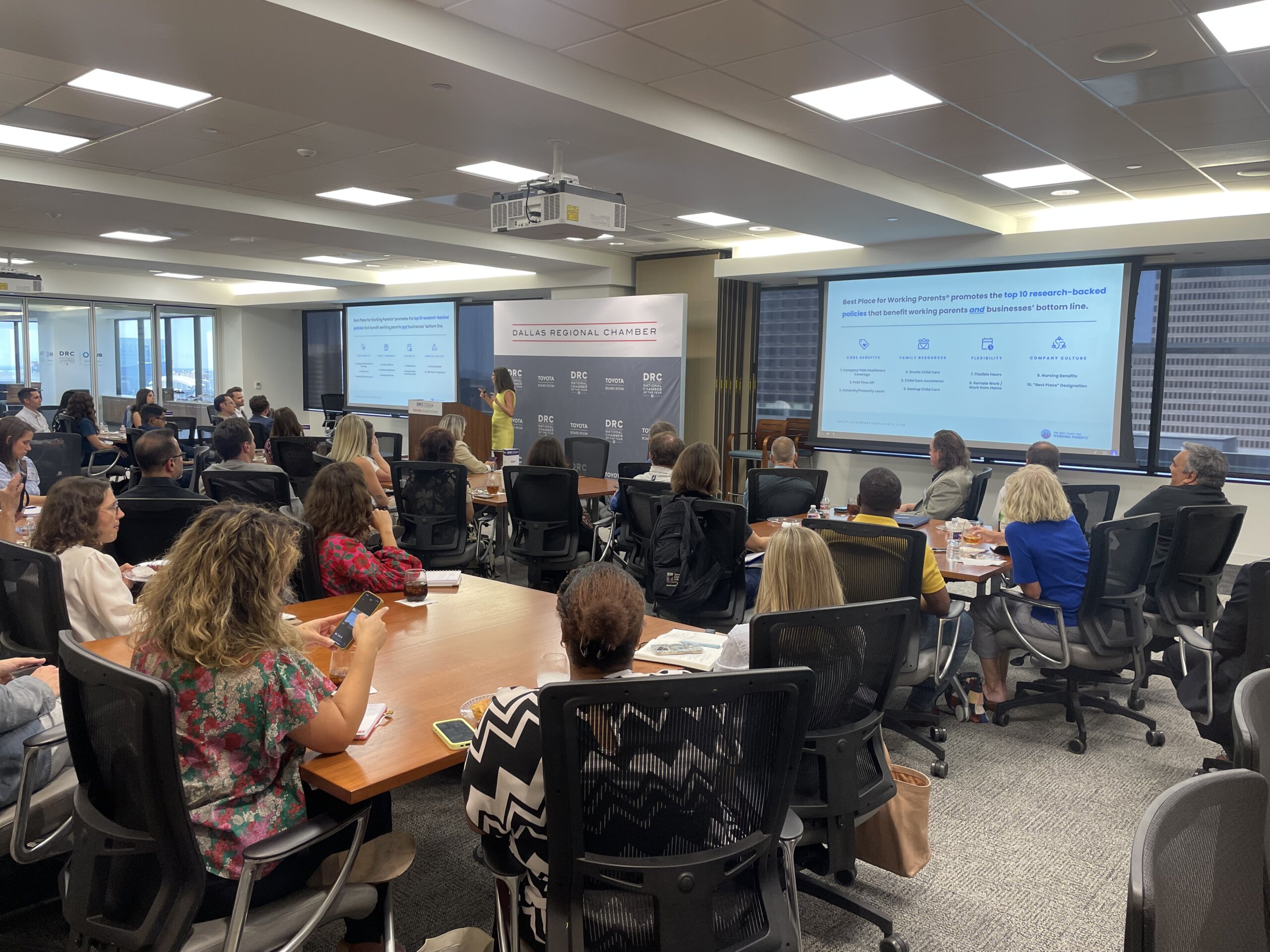
The business case for family-friendly policies extends far beyond retention, delivering measurable improvements in performance.
Funk’s research demonstrates that “those who have access to flexibility rate their workplace as 123 times more supportive” and shows factors such as being “more likely to be a high performer, higher retention rates, more loyalty, and a more motivated workforce.”
The shift is particularly pronounced among millennials and fathers.
“Eighty-three percent of millennials say they leave one job for another with more family-friendly benefits,” while “80% of dads say they’d leave one workplace for another if it allowed them to be more present in their children’s lives.”
For employers looking to implement change, Funk recommended starting small: “Survey your employees, hear what some of their challenges are, both at work and at home, and then find strategies to be able to address even just one of those. There’s this sentiment that you have to go big, but I think what’s more meaningful is just to start small.”
Understanding Generation Z in the workplace
As the newest generation enters the workforce, employers must understand unique characteristics and career expectations of Generation Z, people born between 1997 and 2012.
Amit Banerjee, CEO of Philanthropy Kids, cautioned against oversimplification.
“Like any generation, no generation is a monolith,” he said, but technology proficiency sets this generation apart.
“Technology is evolving faster than it ever has been before, and Gen Z is able to adapt to those new tools, new resources, and overall new technology environment,” Banerjee noted. However, this comes with unique challenges: “They’re skeptical of institutions and they’re obsessed with identity management.”
The career landscape presents both opportunities and obstacles for Gen Z. While “Gen Z sees everything as an option because of the Internet,” they also “feel unqualified for everything because when they click on that job posting, they see that it’s requiring so much more work experience than they have.”
Banerjee emphasized the importance of early investment in this generation: “Invest in soft skills development early on.”
Maximizing veteran talent potential
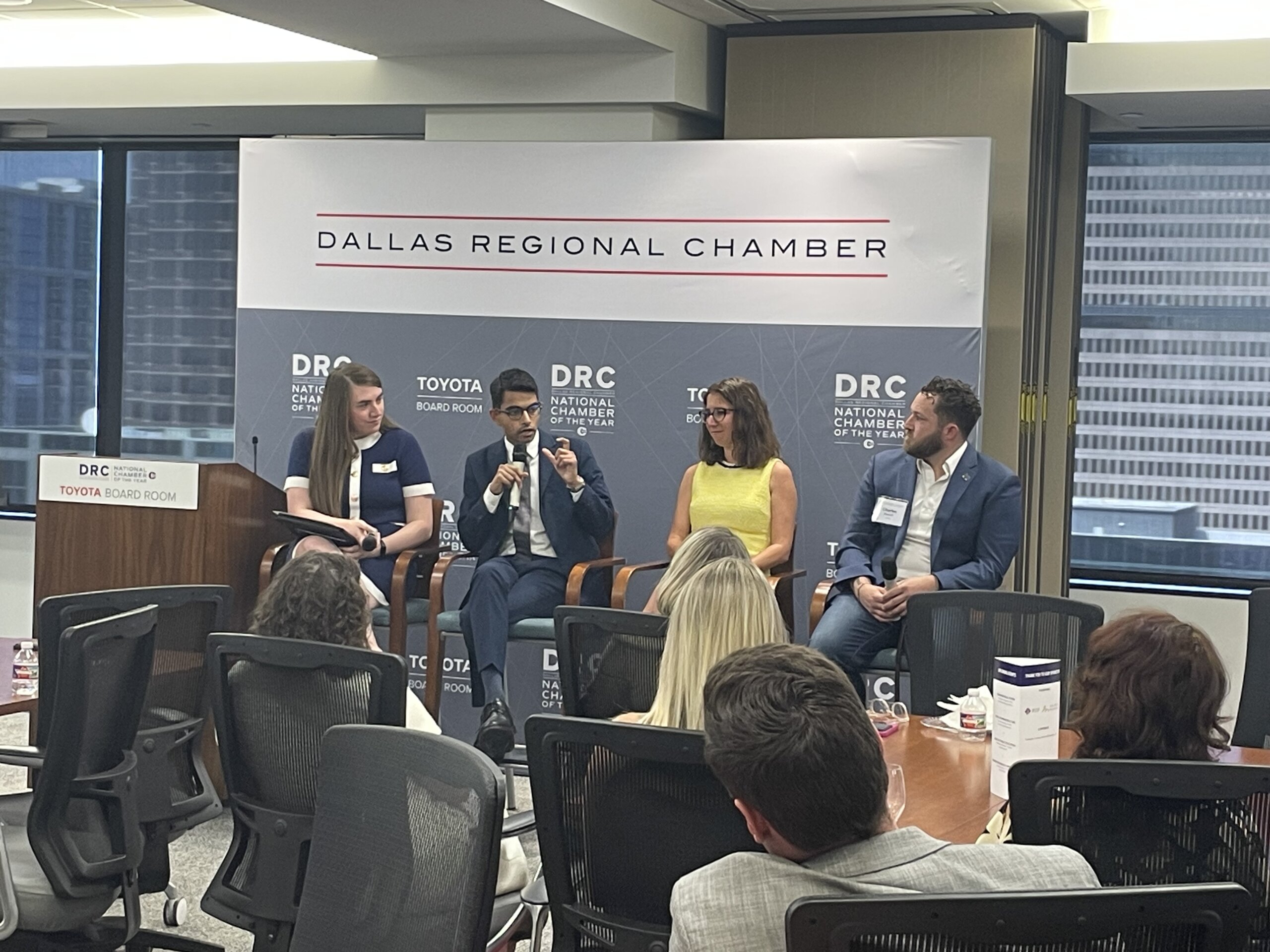
Another underutilized talent pool is military veterans, but current hiring practices often fail to capture their full potential. Charles Bischoff, North Texas Program Manager at NextOP, shared concerning statistics about veteran employment outcomes.
“60% of veterans make less at their first job than they did while they were serving, 33% are underemployed, and only one in four have a job lined up prior to leaving the service.”
Despite these challenges, veterans bring exceptional qualifications to the workforce. They are “160% more likely than non-veterans to have a graduate degree or higher” and have “2.9 times more work experience with a bachelor’s degree than [their] counterparts.” Veterans also demonstrate superior retention rates, being “8.3 times more likely to stay with [their] first position than college graduates” and “39% more likely to be promoted earlier than non-veterans.”
The key to successful veteran hiring lies in proper support systems.
“Veterans using a coach are two times more likely to get a job and three times more likely when getting help with an interview,” Bischoff explained.
However, many military veteran hiring programs lack proper measurement and accountability.
“One of the biggest things that I see consistently is with the military veteran hiring programs, no one tracks data,” Bischoff noted, emphasizing the need for employers to measure return on investment for these programs.
As the workforce continues to evolve, companies that proactively adapt their approaches to talent management will be best positioned to attract, retain, and develop the skilled professionals needed to fuel Dallas’s continued economic growth.
Thinking about new ways to strengthen your talent pipeline? The DRC’s Talent Labs program is a six-month, hands-on program where senior talent and HR pros workshop strategies and solutions for their company’s needs. To inquire about joining the program, email talent@dallaschamber.org.